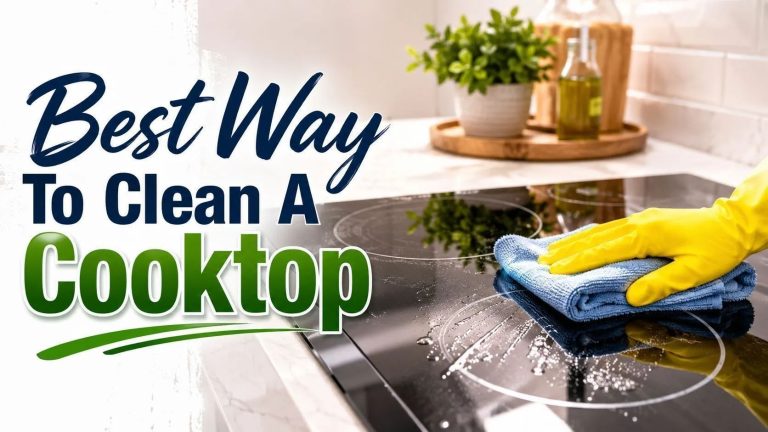
How To Clean An Enamel Cooktop: Easy Steps For Shine

Clean an enamel cooktop with gentle cleaners, soft tools, and quick daily wipe-downs.
An enamel cooktop looks beautiful when it is clean, but it can also be surprisingly easy to damage if you use the wrong method. I have found that the safest way to clean an enamel cooktop is to work in layers: remove loose crumbs, wipe with warm soapy water, treat stains with a gentle paste, and avoid anything abrasive. If you want a cooktop that stays glossy instead of dull and scratched, the details matter.
What an Enamel Cooktop Is and Why It Needs Gentle Care
An enamel cooktop is made with a metal base coated in enamel, which is a hard glass-like finish. It gives the stove a smooth, polished look and helps resist heat and stains. Still, enamel is not indestructible. Scratches, chips, and harsh cleaners can wear down the finish faster than most people expect.
The biggest mistake I see is treating enamel like stainless steel or cast iron. It does not need heavy scrubbing to look good. It needs steady, gentle care that protects the coating while removing grease, burnt spills, and food residue.

What You Need Before You Start
Before you clean an enamel cooktop, gather a few simple supplies. Using the right tools makes the job faster and safer.
• Soft microfiber cloths
• Warm water
• Mild dish soap
• Baking soda
• Small bowl
• Plastic or silicone spatula
• Non scratch sponge
• Dry towel for buffing
If your cooktop has a lot of stuck on food, I also like to keep a spray bottle with a mild soap solution nearby. It saves time and helps me avoid overusing strong chemicals.
How to Clean an Enamel Cooktop Step by Step
A clean enamel cooktop usually comes down to consistency more than effort. Here is the method I use most often when I want the surface clean without risking damage.
1. Let the surface cool
Never clean an enamel cooktop while it is hot. Heat can make spills harder to remove and may also cause cleaning products to evaporate too fast. A cool surface is safer for both you and the finish.
2. Remove loose crumbs and debris
Use a dry microfiber cloth or a soft brush to lift crumbs, dust, and loose food bits. I always do this first because rubbing loose debris across enamel can create tiny scratches. Think of it like clearing sand off a car before wiping it.
3. Wipe with warm soapy water
Mix a few drops of mild dish soap into warm water. Dip a soft cloth in the solution, wring it out well, and wipe the cooktop surface. This step removes everyday grease, fingerprints, and light spills without stripping the enamel.
4. Treat stuck on spots with baking soda paste
For stubborn stains, make a paste with baking soda and a little water. Spread it gently over the spot and let it sit for 10 to 15 minutes. Then wipe it away with a damp cloth.
This method works well because baking soda offers mild cleaning power without being as harsh as many powders. I have used this on dried sauce splashes and sugar drips with good results, especially when I do not rush the soaking time.
5. Use a plastic spatula for burnt residue
If food is baked on, use a plastic or silicone spatula to lift it carefully. Keep the angle low and avoid digging into the enamel. The goal is to coax the residue off, not scrape it like ice from a windshield.
6. Rinse and dry completely
After cleaning, wipe the cooktop with a clean damp cloth to remove soap or baking soda residue. Then dry it with a soft towel. Drying matters because water spots can dull the shine and make the surface look less clean than it really is.
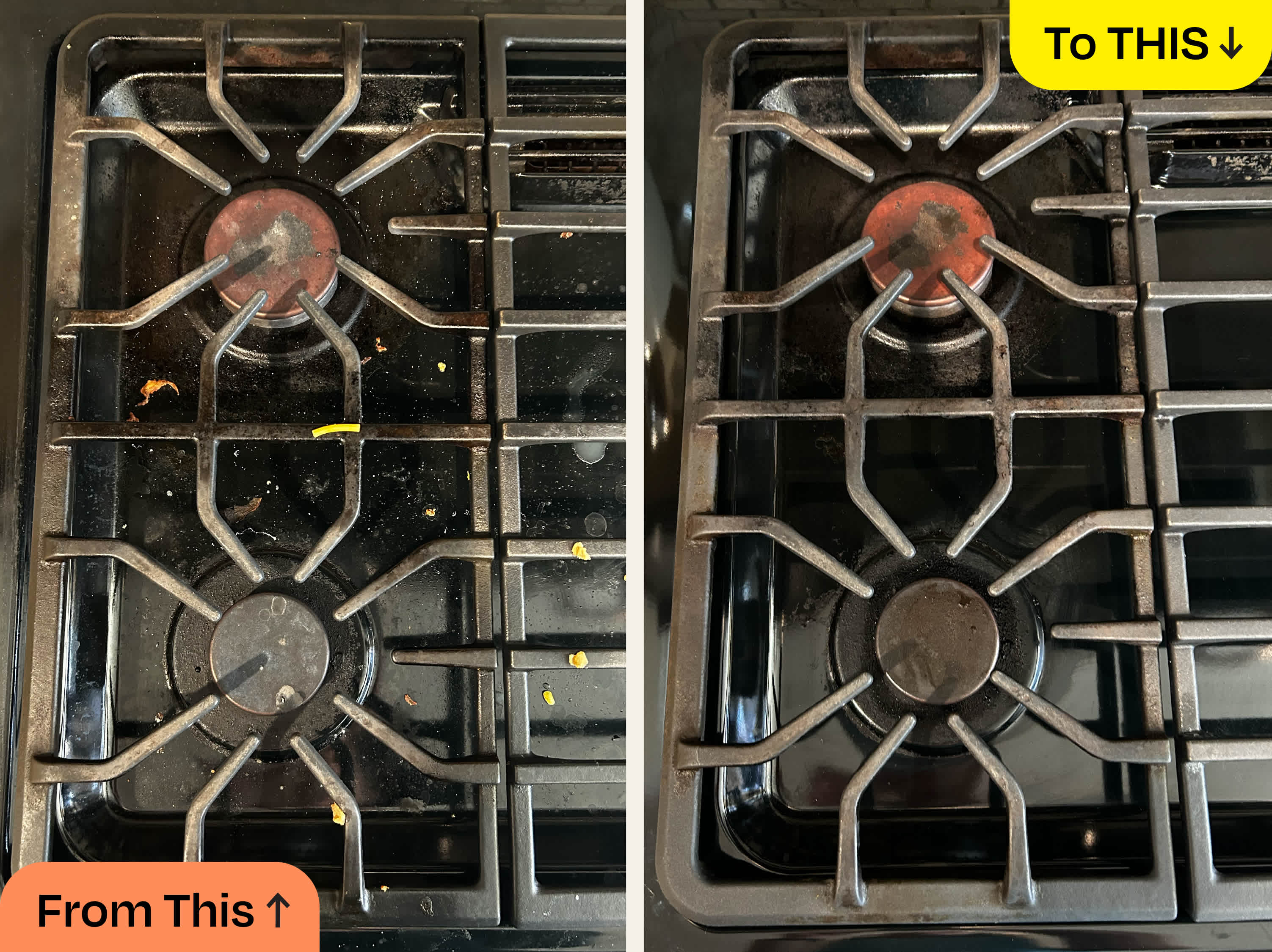
How to Clean Tough Stains on an Enamel Cooktop
Some stains need more patience. Burnt sugar, oily splatters, and cooked on sauce can cling to enamel like glue. The key is to soften the stain before trying to remove it.
Try this approach:
• Lay a warm damp cloth over the stain for several minutes
• Apply a baking soda paste
• Let it rest so the residue loosens
• Wipe gently in circles
• Repeat if needed instead of scrubbing hard
I have learned that repeated gentle passes work better than one aggressive cleaning session. That lesson saved me from creating a dull patch on a cooktop years ago, and I still follow it now. With enamel, slow is usually safer than strong.
What to Avoid When Cleaning an Enamel Cooktop
Knowing what not to use is just as important as knowing what works. Enamel can lose its shine if you use harsh products or rough tools.
Avoid these:
• Steel wool
• Abrasive powders
• Razor blades
• Bleach on a regular basis
• Strong oven cleaners unless the label clearly says they are safe for enamel
• Rough scrub pads
• Repeated dry scrubbing on the same spot
Abrasive cleaners can leave tiny marks that build up over time. Once enamel is scratched, those marks are hard to reverse. In my experience, prevention is far easier than repair.
How Often You Should Clean an Enamel Cooktop
For best results, wipe the cooktop after each use once it has cooled. That simple habit prevents grease and food from hardening. A deeper clean once a week is usually enough for most homes.
If you cook often, especially with sauces, oils, or sugary foods, you may need to spot clean more often. I recommend a quick daily wipe and a more careful weekly cleaning. That routine keeps the surface looking fresh with very little effort.
How to Keep an Enamel Cooktop Looking New
A little maintenance can go a long way. Enamel stays in better shape when you protect it from buildup and sudden wear.
Here are a few habits that help:
• Wipe spills as soon as the surface cools
• Use cookware with smooth bottoms
• Lift pots instead of dragging them
• Clean burner areas before residue hardens
• Dry the cooktop after washing
• Avoid letting acidic foods sit too long
I also recommend checking the area around burners and knobs, since grease likes to hide there. Those small edges often collect grime first, and they are easy to miss during a quick clean.
Common Mistakes People Make
Many enamel cooktop problems come from cleaning habits that seem harmless at first. I have seen people do the right thing with the wrong tool, and that usually causes more damage than the stain itself.
Common mistakes include:
• Scrubbing too hard
• Using abrasive sponges
• Cleaning while the surface is still hot
• Letting spills sit for days
• Using too much cleaner and leaving film behind
• Ignoring small chips that can spread over time
If you notice a chip, treat it gently and avoid scraping that area. Chips do not always mean major damage, but they can become worse if moisture and residue collect in them.
When to Use a Commercial Cleaner
A commercial cleaner can help if your enamel cooktop has heavy grease or discoloration that soap and baking soda cannot handle. Choose a product that clearly says it is safe for enamel or porcelain surfaces. Always test it on a small hidden area first.
Read the label carefully and follow the directions exactly. More product is not better, and leaving cleaner on too long can create streaks or discoloration. I usually reserve commercial cleaners for occasional deep cleaning, not daily use.
Why This Cleaning Method Works
This method works because it balances cleaning power with surface protection. Mild soap handles grease, baking soda helps loosen stains, and soft cloths reduce the chance of scratching. That combination is simple, affordable, and practical.
It also matches what many appliance care experts recommend: use the least aggressive method that gets the job done. That principle matters with enamel because the finish is durable, but not bulletproof. Treat it kindly, and it will keep looking bright for years.

Frequently Asked Questions of How to Clean an Enamel Cooktop
Can I use vinegar on an enamel cooktop?
Yes, you can use diluted vinegar for light cleaning, but do not let it sit too long. Wipe it on, clean the area, and rinse with water to avoid residue or dulling.
Is baking soda safe for enamel cooktops?
Yes, baking soda is generally safe because it is mildly abrasive and effective on stuck on residue. Use it as a paste with water and apply gentle pressure only.
Can I use a Magic Eraser on an enamel cooktop?
Use caution, because Magic Erasers can be mildly abrasive and may dull some enamel finishes. If you try one, test a small hidden area first and use very light pressure.
How do I remove burnt food from an enamel cooktop?
Soften it first with a warm damp cloth, then apply a baking soda paste. Let it sit for several minutes before wiping it away gently with a soft cloth or plastic spatula.
How do I make my enamel cooktop shine again?
Clean off all residue, rinse well, and dry with a soft towel. A clean, dry microfiber cloth can help restore the shine by removing streaks and water spots.
Conclusion
Cleaning an enamel cooktop does not have to be hard. With mild soap, baking soda, soft cloths, and a little patience, you can remove grease, lift stubborn stains, and protect the finish at the same time. The biggest wins come from small habits, like wiping spills early and avoiding harsh scrubbers.
If you start using these simple steps now, your cooktop will stay cleaner, brighter, and easier to maintain. Try the routine on your next cleanup, and if you found these tips helpful, explore more appliance care guides or share your own cleaning tricks in the comments.