How To Clean Bosch Induction Cooktop: Easy Care Guide

A Bosch induction cooktop cleans best with a soft cloth, warm water, mild soap, and a gentle touch.
A clean Bosch induction cooktop is not just about looks. It helps protect the glass surface, keeps touch controls responsive, and prevents burned-on residue from turning into a bigger job later. If you have ever wiped a cooktop too hard and worried about scratches, you are not alone. I have learned that the smartest way to clean a Bosch induction cooktop is simple, calm, and consistent.
Why Bosch Induction Cooktops Need Special Care
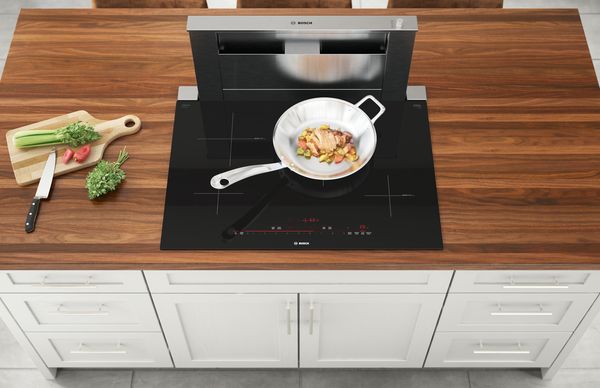
Bosch induction cooktops use a smooth glass ceramic surface, and that surface needs gentle cleaning. Unlike gas grates or coil burners, there are no rough parts to scrub, but that does not mean you can use just any cleaner or pad. The wrong tool can leave fine scratches, dull spots, or sticky residue on the glass.
I have seen a lot of people make one common mistake: they wait too long to wipe spills. On a glass cooktop, sugary sauces, oil splatter, and starch can bake on fast. Cleaning a Bosch induction cooktop right after cooking is usually much easier than dealing with hardened mess later.
What You Need Before You Start
Before you clean your Bosch induction cooktop, gather a few simple supplies. You do not need anything fancy, and in most homes, the basics are already in the kitchen.
- Soft microfiber cloths
- Warm water
- Mild dish soap
- Bosch cooktop cleaner or a glass cooktop cleaner made for ceramic surfaces
- A nonabrasive sponge
- A plastic or glass cooktop scraper for stuck-on residue
- Dry towel or lint-free cloth
Avoid steel wool, rough scouring pads, bleach, and strong oven cleaners. These can damage the finish or leave a film that makes the surface harder to clean next time.
How to Clean Bosch Induction Cooktop Step by Step
The best way to clean a Bosch induction cooktop is to work gently and in layers. Start with the easiest method first, then move to stronger cleaning only if needed.
1. Turn Off and Let the Surface Cool
Always make sure the cooktop is off and cool before cleaning. Even though induction heats the pan more than the glass, the surface can still stay warm from contact with hot cookware. Cleaning while it is too hot can also make you more likely to smear residue.
2. Remove Loose Debris
Use a dry microfiber cloth to lift crumbs, salt, and loose dust. This helps prevent tiny particles from scratching the surface when you wipe it. I always do this first because it takes just a few seconds and saves the finish.
3. Wipe With Warm Water and Mild Soap
Dampen a soft cloth with warm water and add a drop of mild dish soap. Wipe the cooktop in gentle circles or straight strokes. Do not soak the surface, and do not spray cleaner directly onto the controls.
4. Clean Around the Controls Carefully
Bosch induction cooktops often have sensitive touch controls. Use only a lightly damp cloth around this area, then dry it right away. Too much water can leave streaks or affect the touch response for a short time.
5. Remove Stuck-On Spots
If food has dried onto the surface, use a nonabrasive scraper at a low angle. Keep the blade flat and move slowly. This works especially well for melted cheese, sauce drips, or boiled-over sugar residue.
One lesson I learned early: do not rush the scraper. Light pressure works better than force, and force is what usually causes damage.
6. Apply Cooktop Cleaner for Shine and Protection
If you want a polished finish, use a cleaner made for ceramic or glass cooktops. Apply a small amount to a soft cloth, not directly on the surface. Buff the cooktop gently until it looks even and streak-free.
7. Dry the Surface Completely
Finish with a dry microfiber cloth or lint-free towel. This prevents water marks and helps the glass look clear. A dry finish also makes the surface feel cleaner and more polished.

How to Remove Common Stains on a Bosch Induction Cooktop
Not every mess is the same. Some wipe away easily, while others need a little patience. Knowing the type of stain helps you choose the right method for cleaning a Bosch induction cooktop.
Grease and Oil Splatter
Grease usually comes off with warm soapy water and a microfiber cloth. If a film remains, use a small amount of cooktop cleaner and buff it dry. Do not overuse degreasing sprays, since they can leave streaks.
Burned-On Food
Burned bits need the scraper method first. Hold the blade low, let it glide under the residue, and lift it away gently. After that, wipe the area with a damp cloth and finish with cleaner.
White Streaks or Water Spots
These are often caused by hard water or too much cleaning product. Wipe the area with a damp cloth, then dry it fully. If the marks stay, use a little cooktop polish designed for glass surfaces.
Sticky Sugar Spills
Sugar spills should be handled quickly, but only once the surface is safe to touch. Scrape the hardened residue carefully, then clean the area with a soft cloth. Sugar can become very hard once cooled, so quick action matters.
Mistakes to Avoid When Cleaning a Bosch Induction Cooktop
A lot of damage happens from small, everyday mistakes. Here are the most common ones I have seen and how to avoid them.
- Using abrasive pads can leave permanent scratches on the glass.
- Spraying cleaner directly onto the cooktop can cause drips near the controls.
- Cleaning while the surface is still too hot can make residue smear or bake on more.
- Using too much cleaner can leave a cloudy film.
- Dragging heavy pans across the surface can scratch it, even if the glass looks tough.
Think of the cooktop like a pair of clean glasses. A soft cloth keeps them clear, but a rough towel leaves them cloudy. Bosch induction cooktops are durable, but they still reward gentle care.
How Often Should You Clean a Bosch Induction Cooktop?
For best results, wipe your Bosch induction cooktop after every use. That does not mean a deep scrub every time. Most days, a quick wipe with a damp cloth is enough to keep the surface clean.
A deeper clean is useful once or twice a week, depending on how often you cook. If you make a lot of sauces, fry foods often, or boil pasta frequently, you may need to clean more often. The key is consistency, because a few seconds after cooking can prevent a lot of work later.
Best Habits to Keep Your Bosch Induction Cooktop Looking New
Good habits matter more than heavy cleaning. If you build the right routine, cleaning a Bosch induction cooktop becomes fast and easy.
- Wipe spills as soon as the surface cools
- Use flat-bottom cookware to reduce mess and protect performance
- Lift pans instead of sliding them
- Keep a microfiber cloth nearby
- Use a small amount of cooktop cleaner only when needed
- Check pan bottoms for grit before cooking
I also recommend cleaning the bottom of your cookware now and then. Tiny bits of sand or burnt residue on a pan base can scratch the glass when you move it.
What Bosch Recommends for Surface Care
Bosch generally advises using gentle, nonabrasive cleaners made for glass ceramic surfaces. That matches what appliance technicians and cleaning experts recommend too. The goal is to protect the smooth finish, maintain touch control function, and avoid residue buildup.
When in doubt, keep it simple. Warm water, mild soap, microfiber cloths, and a proper scraper handle most cleaning jobs safely. That simple routine is often better than reaching for harsh products.
When to Call for Service
Most cleaning problems are normal and easy to fix. But if your Bosch induction cooktop has cracks, deep scratches, or touch controls that keep acting up after cleaning, it is time to stop and inspect it more closely. Do not use a cracked glass surface.
If residue seems trapped under the glass or the cooktop behaves strangely after moisture exposure, professional service may be the safest choice. A damaged cooktop is not worth risking a larger repair.
Frequently Asked Questions of How to Clean Bosch Induction Cooktop
Can I use vinegar to clean a Bosch induction cooktop?
Yes, you can use a small amount of diluted vinegar for light spots, but it is not necessary for everyday cleaning. A soft cloth with warm water and mild soap is usually safer and just as effective.
What is the best cleaner for a Bosch induction cooktop?
The best cleaner is one made for glass ceramic cooktops. These cleaners are designed to remove grease and haze without scratching the surface.
Can I use a razor blade scraper on my Bosch induction cooktop?
Yes, but only a scraper designed for glass cooktops and only on stubborn residue. Hold it at a low angle and use gentle pressure to avoid scratching the surface.
How do I remove cloudy marks from the cooktop?
Cloudy marks often come from soap residue, hard water, or too much cleaner. Wipe the surface with a damp cloth, then dry it completely and buff with a microfiber towel.
Is it safe to clean the cooktop while it is warm?
It is better to wait until the surface is cool enough to touch safely. Cleaning a warm surface can be uncomfortable and may cause you to spread residue instead of removing it.
How do I keep my Bosch induction cooktop from scratching?
Use soft cloths, lift cookware instead of sliding it, and keep the pan bottoms clean. Avoid abrasive pads and rough cleaners, since those are the most common causes of surface damage.
Conclusion
Keeping a Bosch induction cooktop clean is easier than it looks when you use the right tools and a gentle routine. Warm water, mild soap, a microfiber cloth, and a proper scraper can handle most messes without harming the glass. The biggest secret is simple: clean small spills early, stay consistent, and avoid harsh products.
If you follow these steps, your Bosch induction cooktop can stay shiny, safe, and ready for daily use. Try the routine after your next meal, and you will likely notice how much faster the cleanup becomes.