How To Clean Black Enamel Cooktop: Easy Shine Guide

The safest way to clean a black enamel cooktop is with mild soap, soft tools, and a gentle wipe.
A black enamel cooktop can look sleek and polished, but it also shows grease, sugar spills, and burnt food fast. I have cleaned plenty of these surfaces over the years, and the biggest lesson is simple: gentle care works better than heavy scrubbing. If you want a cooktop that stays glossy without scratches, dull spots, or chipped enamel, this guide will walk you through the right method, the mistakes to avoid, and the small habits that make a big difference.
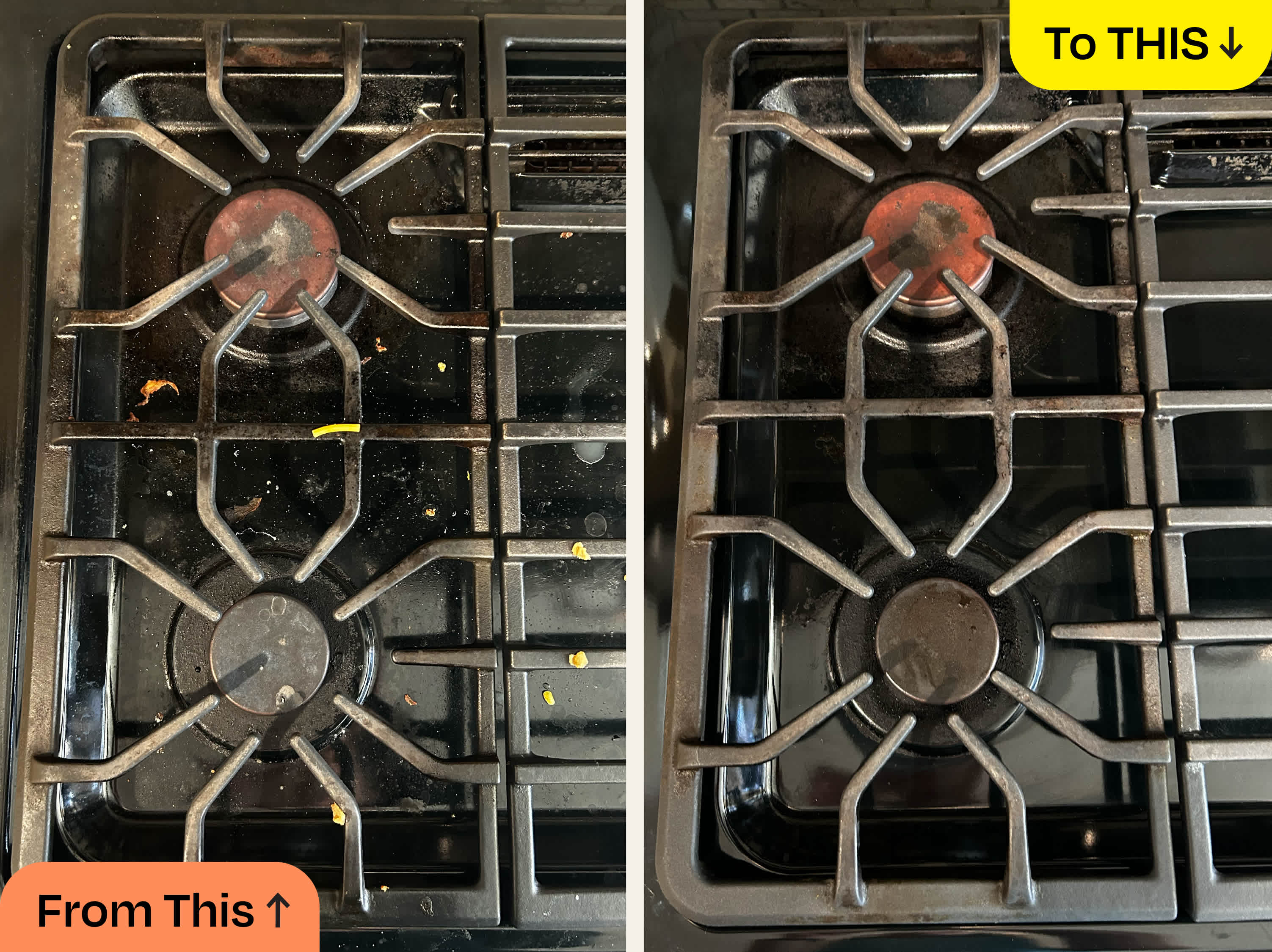
What a Black Enamel Cooktop Is and Why It Needs Special Care
A black enamel cooktop has a metal base coated with a hard enamel finish. That finish gives the surface its smooth, dark look, but it can still stain, chip, or scratch if you use the wrong tools. Unlike raw stainless steel, enamel does not like rough pads, sharp blades, or harsh chemicals.
This is why cleaning it is a little like caring for a good pair of shoes. You want them clean, but you do not want to wear down the finish. The goal is not just to remove mess. The goal is to protect the surface so it keeps its shine and lasts longer.
Black enamel is common on gas cooktops, ranges, and decorative stove tops. It is durable, but not indestructible. Once you understand that balance, cleaning becomes much easier and far less stressful.
What You Need Before You Start
The best way to clean a black enamel cooktop starts with the right tools. You do not need fancy products. In fact, the simpler the better.
Gather these items:
• Soft microfiber cloths
• Warm water
• Mild dish soap
• Baking soda
• Non scratch sponge
• Plastic or silicone scraper
• White vinegar, if needed
• Dry towel for buffing
I learned early on that paper towels can leave lint behind and rough sponges can create tiny marks you only notice later when the light hits the surface. A microfiber cloth is usually the safest choice for daily cleaning.
How to Clean Black Enamel Cooktop Step by Step
The process is easy if you work slowly and avoid force. I like to treat it like washing a camera lens. Light pressure, clean cloth, and patience do the job best.
1. Let the cooktop cool completely
Never clean a hot cooktop. Heat can make cleaners evaporate too quickly and may spread spills across the surface. It can also increase the chance of burns.
Wait until the surface is fully cool to the touch. This keeps the cleaning process safe and more effective.
2. Remove loose debris
Wipe away crumbs, dust, and soft residue with a dry microfiber cloth. If there are larger bits of food, lift them off gently instead of dragging them across the enamel.
If you skip this step, those small particles can act like sandpaper. That is one of the easiest ways to create fine scratches on a black enamel cooktop.
3. Use warm soapy water for everyday cleaning
Mix a few drops of mild dish soap with warm water. Dip a microfiber cloth into the solution, wring it out well, and wipe the surface in small circles.
This is usually enough for light grease and daily splatters. After that, wipe again with a clean damp cloth to remove soap residue, then dry with a towel.
4. Tackle stuck-on messes with baking soda paste
For dried spills or greasy spots, mix baking soda with a little water to form a soft paste. Spread it over the problem area and let it sit for 10 to 15 minutes.
Then use a damp non scratch sponge or cloth to lift the mess gently. Baking soda works well because it adds mild cleaning power without being too abrasive.
5. Use a plastic scraper for stubborn residue
If food has hardened on the surface, a plastic or silicone scraper can help. Hold it at a shallow angle and work slowly.
Do not use metal blades on a black enamel cooktop unless the manufacturer specifically allows it. I have seen more damage from aggressive scraping than from the original spill itself.
6. Rinse and dry the surface
After cleaning, wipe away all leftover product with a clean damp cloth. Then dry the cooktop completely with a soft towel.
Drying matters more than people think. It helps prevent streaks, water spots, and a cloudy finish that can make the surface look dull.

How to Remove Common Stains and Stuck-On Messes
Different messes need different treatment. If you treat every spill the same way, you may end up scrubbing too hard or using the wrong cleaner.
Grease splatter
Grease is usually easy to remove if you catch it early. Warm soapy water often does the trick.
If the grease is sticky, add a little baking soda paste first, then wipe clean. Finish with a dry cloth so the surface does not stay cloudy.
Burnt food
Burnt food needs a soft soak. Place a damp cloth over the area for a few minutes to loosen the residue.
After that, use the baking soda paste and a non scratch sponge. The key is to soften first, scrub second.
Water spots and streaks
These are often caused by poor drying. A vinegar and water mix can help break up mineral marks, but use it lightly and wipe it off soon after.
I usually finish with a dry microfiber cloth to bring back the shine. That final buff makes a surprisingly big difference on black enamel cooktop surfaces.
Sticky sugar spills
Sugar spills should be cleaned as soon as the cooktop is cool. If left too long, they can harden like glue.
Soak the area with a warm damp cloth first. Then remove the residue gently instead of scraping hard.
What Not to Use on a Black Enamel Cooktop
This part matters just as much as the cleaning steps. Many cooktop problems come from using the wrong cleaner, not from the mess itself.
Avoid these:
• Steel wool
• Abrasive powder cleaners
• Metal scrapers
• Bleach in strong amounts
• Oven cleaner unless the manufacturer approves it
• Rough scouring pads
• Strong degreasers with unknown ingredients
Some people think stronger products mean better cleaning, but that is not true for enamel. Harsh products can dull the shine, weaken the finish, or leave tiny scratches that collect grime later.
Best Daily Cleaning Routine
A simple routine keeps the surface looking fresh and cuts down on deep cleaning. I usually recommend a quick wipe after every cooking session.
A good daily routine looks like this:
• Let the cooktop cool
• Wipe away crumbs
• Clean with mild soap and water
• Dry with a microfiber cloth
This takes only a few minutes. Over time, it saves much more time because spills do not get the chance to harden.
How to Keep a Black Enamel Cooktop Looking New
Prevention is easier than repair. If you want the black enamel cooktop to stay glossy, a few small habits go a long way.
• Wipe spills as soon as the surface cools
• Use cookware with smooth bottoms
• Lift pans instead of dragging them
• Avoid overheating empty burners
• Clean burners and grates regularly
• Dry the surface after every wash
I once worked with a home cook who assumed the dull spots on her cooktop were permanent. They were not. Most of the problem came from soap film and skipped drying. Once she changed her routine, the finish looked much better within a week.
Mistakes to Avoid
Even careful people make these mistakes. I have made a few myself, and they usually come from being in a hurry.
• Scrubbing too hard on a stuck spill
• Cleaning while the surface is still warm
• Using a gritty cleaner for faster results
• Letting acidic spills sit too long
• Forgetting to dry the cooktop after washing
A black enamel cooktop is forgiving if you treat it well, but repeated abuse adds up. Think of it like skin care for your stove. Gentle, regular care beats one big rescue effort.
When to Call for Professional Help
Most cleaning jobs are simple enough to do at home. But sometimes the issue is bigger than dirt.
Get help if you notice:
• Chipped enamel
• Deep scratches
• Burn marks that do not lift
• Loose burner parts
• A gas smell or hardware issue
Cleaning can improve appearance, but it cannot fix damage to the coating or the appliance itself. If the cooktop is damaged, a technician or appliance specialist is the safer choice.
Frequently Asked Questions of How to Clean Black Enamel Cooktop
Can I use vinegar on a black enamel cooktop?
Yes, you can use diluted vinegar for light streaks or mineral spots. Use it gently and wipe it off soon after so it does not sit on the enamel too long.
Is baking soda safe for black enamel?
Baking soda is usually safe when used as a soft paste with water. It helps lift stuck-on grime without being too harsh, as long as you do not scrub aggressively.
How do I remove burnt-on food from black enamel?
Soften the area first with a warm damp cloth, then apply baking soda paste. After a short wait, lift the residue with a non scratch sponge or plastic scraper.
Can I use a magic eraser on a black enamel cooktop?
Use caution, because magic erasers can be mildly abrasive. They may dull the finish if used often, so a microfiber cloth and mild soap are safer for regular cleaning.
Why does my black enamel cooktop look cloudy after cleaning?
Cloudiness often comes from soap residue, hard water spots, or not drying the surface well. Wiping with a clean damp cloth and then drying with microfiber usually clears it up.
How often should I deep clean a black enamel cooktop?
A deep clean once a week is enough for most homes, especially if you wipe spills daily. If you cook often, you may want to deep clean more often to prevent buildup.
Conclusion
Keeping a black enamel cooktop clean does not have to be hard. The best results usually come from gentle tools, mild cleaners, and fast cleanup before spills harden. Once you build that habit, the surface stays smoother, shinier, and much easier to maintain.
If there is one takeaway here, it is this: protect the finish first, and the cleaning becomes simple. Try the steps above during your next kitchen cleanup, and you will likely notice the difference right away. If this guide helped, explore more home care tips, share it with someone who needs it, or leave a comment with your own cleaning trick.