Stainless Steel Turned Black How To Clean Expert Tips 2026

When your stainless steel turned black, it can be frustrating, often caused by high heat, burnt food, or mineral deposits. This comprehensive guide provides step-by-step instructions using common household items and specialized cleaners to effectively remove black stains and restore its original luster. You’ll learn the best methods for cleaning and crucial preventative measures to keep your stainless steel looking new.
Stainless Steel Turned Black How To Clean Expert Tips 2026
Has your once gleaming stainless steel cookware or appliance started to look dull, stained, or even *black*? You’re not alone! Many home cooks and homeowners face the frustrating issue of stainless steel turning black over time. Whether it’s a beloved pan that’s seen one too many high-heat adventures, a sink with stubborn mineral stains, or a dishwasher door that’s lost its luster, restoring stainless steel can seem like a daunting task.
But don’t worry! In this ultimate guide for 2026, we’ll walk you through exactly why your stainless steel turns black and, more importantly, how to clean it effectively and safely. We’ll cover everything from gentle everyday solutions to more powerful remedies for tough, baked-on blackness, ensuring your stainless steel items look as good as new. Get ready to reclaim the shine!
Understanding Why Your Stainless Steel Turns Black
Before we dive into cleaning, it’s helpful to understand *why* your stainless steel has turned black. Knowing the cause can help you pick the right cleaning method and prevent future discoloration.
Heat Discoloration (Bluing or Browning)
This is one of the most common reasons, especially for stainless steel cookware. When stainless steel is exposed to very high heat for extended periods, the chromium in the alloy oxidizes. This oxidation can create a rainbow-like sheen, often progressing to a brownish or bluish tint, and eventually, a distinct black stain. This isn’t burnt food, but a change in the metal’s surface itself.
Burnt Food or Oil Residue
Accidents happen! If food or oil gets burnt onto the surface of your stainless steel pan, it can create a stubborn black, carbonized layer. This residue isn’t just unsightly; it can also affect your cooking performance. If you’ve ever had food stick firmly, you know how challenging this type of blackening can be to remove. For more tips on stubborn residue, you might find our guide on how to remove black residue on bottom of pan helpful.
Mineral Deposits from Hard Water
In areas with hard water, minerals like calcium and magnesium can build up on stainless steel surfaces, particularly sinks, faucets, and dishwashers. These deposits can appear as white or cloudy spots initially, but over time, if neglected, they can trap dirt and grease, leading to a dull, blackened appearance.
Chemical Reactions or Improper Cleaning Agents
Using harsh or abrasive cleaners not designed for stainless steel, or even certain foods with high acidity, can sometimes react with the metal, leading to discoloration or dark spots. Chlorine bleach, for instance, is a big no-no for stainless steel as it can cause pitting and black spots. Also, leaving acidic foods like tomato sauce in a pan for too long can sometimes leave dark marks.
Safety First: Before You Begin Cleaning
Before tackling any cleaning project, especially when using stronger agents, always prioritize safety.
* Wear Gloves: Protect your hands from harsh chemicals and abrasive scrubs.
* Ensure Ventilation: If using strong cleaners, make sure your area is well-ventilated to avoid inhaling fumes. Open windows or turn on an exhaust fan.
* Patch Test: Always test any cleaning solution on a small, inconspicuous area first, especially with appliances or specialty finishes, to ensure it doesn’t cause damage or further discoloration.
* Understand Your Stainless Steel: Is it a polished finish? A brushed finish? This can influence how aggressively you can clean.
Now, let’s get that stainless steel turned black how to clean!
Method 1: Gentle Cleaning for Light Discoloration (Soap & Warm Water)
This is your first line of defense and often surprisingly effective for minor blackening or general grime.
What You’ll Need:
- Mild dish soap
- Warm water
- Soft cloth or sponge (non-abrasive)
- Clean towel for drying
Step-by-Step Instructions:
- Prepare the Surface: If it’s a pan, empty any food. For appliances, wipe away any loose dirt.
- Wash with Soap and Water: Apply a few drops of mild dish soap to a soft cloth or sponge. Dampen with warm water.
- Gently Scrub: Wipe down the blackened area, moving in the direction of the stainless steel’s grain. Don’t scrub too hard initially.
- Rinse Thoroughly: Rinse the area with clean water to remove all soap residue.
- Dry Immediately: Use a clean, dry towel to wipe the surface dry. This prevents water spots and streaking.
Practical Tip: For pans with very light blackening or general cooking residue, sometimes a good soak in warm, soapy water for 15-30 minutes before scrubbing can make a big difference.

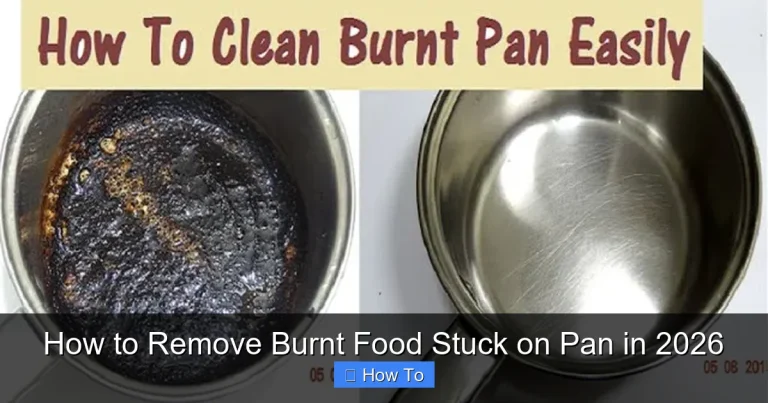
Visual guide about Stainless Steel Turned Black How To Clean Expert Tips 2026
Image source: cncmasion.com
Method 2: The Power of Baking Soda for Moderate Stains
Baking soda is a fantastic, non-toxic abrasive that works wonders on many types of black stains, especially those from burnt food residue or light heat discoloration.
What You’ll Need:
- Baking soda
- Water (to make a paste)
- Non-abrasive sponge or soft brush
- Clean cloth for rinsing and drying
Step-by-Step Instructions:
Make a Baking Soda Paste:
- Mix the Paste: In a small bowl, combine baking soda with a little water to create a thick paste, similar to toothpaste consistency.
- Apply the Paste: Spread a generous layer of the baking soda paste over the blackened areas.
- Let it Sit: Allow the paste to sit for at least 15-30 minutes. For tougher stains, you can leave it for a few hours or even overnight.
- Gently Scrub: Using a non-abrasive sponge or soft brush, gently scrub the paste into the stained areas, always moving with the grain of the stainless steel. The mild abrasive action of the baking soda will help lift the blackening.
- Rinse and Dry: Rinse thoroughly with clean water to remove all baking soda residue, then dry immediately with a clean towel to prevent water spots.
Baking Soda for Burnt-On Food (Pan Specific):
- Fill with Water: For a blackened pan bottom, fill the pan with an inch or two of water.
- Add Baking Soda: Add 1/4 to 1/2 cup of baking soda to the water.
- Boil (Optional): Bring the mixture to a gentle simmer for 10-15 minutes. This helps loosen the burnt residue.
- Cool and Scrape: Let the pan cool completely. Then, use a non-metal spatula or a wooden spoon to gently scrape away the loosened black bits.
- Scrub and Rinse: Follow with a baking soda paste scrub (as above) if needed, then rinse and dry.
Method 3: Vinegar’s Acidic Touch for Mineral Deposits and Bluing
White vinegar is an excellent natural cleaner, particularly effective against mineral deposits, light heat discoloration (bluing), and grime. It’s a great choice for how to clean burnt pan bottoms with vinegar.
What You’ll Need:
- White vinegar
- Water
- Spray bottle (optional)
- Soft cloth or sponge
- Clean towel for drying
Step-by-Step Instructions:
For General Discoloration and Mineral Stains:
- Dilute Vinegar (Optional): For general cleaning, you can dilute white vinegar with an equal part of water in a spray bottle. For tougher stains, use full-strength vinegar.
- Apply and Soak: Spray or apply vinegar directly to the blackened area. Let it sit for 5-15 minutes to allow the acid to work.
- Wipe and Scrub: Using a soft cloth or sponge, wipe or gently scrub the stained area, again following the grain.
- Rinse and Dry: Rinse thoroughly with clean water and dry immediately with a clean towel to prevent streaks.
For Blackened Stainless Steel Cookware (Boiling Method):
- Fill with Vinegar and Water: For a pan with a blackened interior or bottom, fill it with a mixture of equal parts white vinegar and water. Ensure the liquid covers the black stains.
- Bring to a Boil: Place the pan on the stove and bring the mixture to a boil.
- Simmer: Reduce heat and let it simmer for 10-15 minutes. You might notice the blackening starting to loosen or dissolve.
- Cool and Clean: Carefully remove the pan from the heat and let it cool completely. Once cool, pour out the vinegar solution.
- Scrub Off Residue: Use a non-abrasive sponge or soft brush to scrub away any remaining black residue. You may combine this with baking soda paste for extra power.
- Rinse and Dry: Rinse the pan thoroughly and dry immediately.
Practical Tip: Vinegar is fantastic for removing water spots and restoring shine, even after cleaning. A quick wipe with diluted vinegar followed by a dry polish can make a big difference.
Method 4: Cream of Tartar for Tough Oxidation
Cream of tartar, a mild acid, can be surprisingly effective for removing heat-induced discoloration and oxidation on stainless steel.
What You’ll Need:
- Cream of tartar
- Water (to make a paste) or a few drops of white vinegar
- Soft cloth or sponge
- Clean towel for drying
Step-by-Step Instructions:
- Create a Paste: Mix cream of tartar with a small amount of water (or white vinegar for an extra boost) to form a paste.
- Apply to Stains: Spread the paste generously over the blackened areas.
- Let it Sit: Allow the paste to sit for 10-15 minutes.
- Gently Scrub: Using a soft cloth or sponge, gently rub the paste into the stain, always following the grain.
- Rinse and Dry: Rinse thoroughly with clean water and dry immediately to reveal a brighter surface.
Method 5: Specialized Stainless Steel Cleaners for Stubborn Issues
When homemade remedies aren’t quite cutting it, commercial stainless steel cleaners can be a lifesaver. These are formulated to specifically tackle common stainless steel issues like blackening, streaks, and fingerprints.
What You’ll Need:
- A reputable stainless steel cleaner (spray, wipe, or cream)
- Soft microfiber cloths
- Clean towel for buffing (optional)
Step-by-Step Instructions:
- Read Instructions: Always read the product label carefully for specific application instructions and safety warnings.
- Patch Test: Test the cleaner on an inconspicuous area first, especially on appliances with clear coats or unique finishes.
- Apply the Cleaner: Apply the cleaner directly to a soft cloth or the stainless steel surface, depending on the product’s directions.
- Wipe with the Grain: Using gentle pressure, wipe the blackened areas with the grain of the stainless steel. Work in small sections.
- Allow to Dwell (if specified): Some cleaners require a short dwell time.
- Buff and Polish: Use a clean, dry microfiber cloth to buff the surface, removing any residue and restoring shine.
Practical Tip: Many specialized stainless steel cleaners also leave behind a protective barrier that resists fingerprints and smudges, helping to keep your items cleaner for longer.
Method 6: Oxalic Acid Cleaners (e.g., Bar Keepers Friend) – The Heavy Hitters
For the most stubborn black stains, especially those caused by severe heat discoloration or deeply embedded burnt-on residue, cleaners containing oxalic acid, like Bar Keepers Friend, are highly effective.
What You’ll Need:
- Bar Keepers Friend (powder or liquid form)
- Water
- Non-abrasive sponge or cloth
- Clean cloth for rinsing and drying
- Rubber gloves (essential)
Step-by-Step Instructions:
- Don Safety Gear: Put on rubber gloves to protect your hands. Ensure good ventilation.
- Wet the Surface: Lightly wet the blackened stainless steel surface.
- Apply Bar Keepers Friend:
- Powder: Sprinkle a small amount of Bar Keepers Friend powder onto the wet surface.
- Liquid: Apply a small amount of the liquid cleanser.
- Create a Slurry/Paste: Use a damp sponge or cloth to gently rub the cleaner into the blackened area, creating a light paste or slurry.
- Gently Scrub: With light to moderate pressure, scrub the stain following the grain of the stainless steel. You should see the blackening start to lift. Do not scrub aggressively or use abrasive pads, as this can scratch the surface.
- Rinse Immediately and Thoroughly: This is critical. Do not let Bar Keepers Friend dry on the surface. Rinse the area thoroughly with plenty of clean water to remove all traces of the cleaner.
- Dry Immediately: Use a clean, dry towel to wipe the surface completely dry, preventing water spots and streaks.
Important Note: While Bar Keepers Friend is excellent for how to clean stainless steel turned black, it is an acidic cleaner. Always test it first, use gloves, and rinse immediately. Never use it on non-stick coatings, cast iron, or silver.
Preventing Future Blackening: Best Practices for Stainless Steel Care
Once you’ve cleaned your stainless steel, keeping it that way is the next step! Prevention is always easier than deep cleaning.
1. Use Proper Heat Management:
Avoid using excessively high heat on stainless steel cookware, especially for extended periods. Most stainless steel pans conduct heat very efficiently. Medium heat is often sufficient for most cooking tasks. Overheating is a primary reason stainless steel turns black.
2. Clean Immediately After Use:
Don’t let food or oil residue sit and bake onto the surface. After cooking, let the pan cool slightly, then wash it with warm, soapy water. If there are stuck-on bits, soak the pan for a few minutes before scrubbing. For general burnt messes, knowing how to clean a burnt pan in 5 minutes can save you a lot of effort.
3. Avoid Harsh Abrasives:
Never use steel wool, abrasive scouring pads, or harsh chemical cleaners (like bleach) on stainless steel. These can scratch the surface, damage the protective chromium layer, and lead to more severe staining or even rust.
4. Dry Thoroughly:
After washing, always dry your stainless steel items immediately with a clean, soft towel. Air drying can lead to water spots and mineral buildup, which can eventually contribute to blackening or dullness.
5. Use Appropriate Cookware for the Task:
Consider if stainless steel is the best choice for every cooking task. For certain foods that tend to stick or burn easily, you might prefer a non-stick pan. However, for most uses, it’s comforting to know is stainless steel toxic to humans when heated – and the answer is generally no, especially with proper care.
Troubleshooting Common Issues During Cleaning
Sometimes, even with the best methods, you might run into a snag.
“My stainless steel is still black after cleaning!”
- Re-evaluate the Cause: Is it truly burnt-on carbon or deep heat discoloration? You might need a stronger method (e.g., Bar Keepers Friend) or a longer dwell time.
- Multiple Applications: Sometimes, very stubborn stains require several applications of a cleaner. Repeat the process.
- Mechanical Aid: For extremely tough spots, a plastic scraper or even a credit card can carefully lift carbonized bits *after* soaking, before scrubbing.
“I have streaks on my stainless steel.”
- Rinsing Issue: Streaks often occur if soap or cleaning residue isn’t fully rinsed off. Rinse more thoroughly.
- Drying Issue: Air drying or using a dirty towel can leave streaks. Always dry immediately with a clean, dry microfiber cloth.
- Grain Direction: Always wipe and polish *with* the grain of the stainless steel.
“I accidentally scratched my stainless steel.”
- Assess the Scratch: Light scratches might be less noticeable after a good polish. Deeper scratches are harder to remove.
- Stainless Steel Polish: Some specialized stainless steel polishes can help to minimize the appearance of very fine scratches. Apply with the grain.
- Professional Help: For very valuable items or deep scratches, consult a professional.
Conclusion
Having stainless steel turned black can be disheartening, but it’s a very solvable problem. By understanding the causes of blackening and applying the right cleaning techniques – from simple soap and water to powerful oxalic acid cleansers – you can restore your stainless steel items to their original, beautiful shine. Remember to always start with the gentlest method, patch test, and follow the grain. More importantly, adopting good cleaning habits and heat management will prevent most future blackening, ensuring your stainless steel stays gleaming for years to come. Happy cleaning!