Where To Buy Induction Cookware: Best Places To Shop

Introduction
The best places to buy induction cookware in the United States are cookware brand websites, major kitchen retailers, department stores, warehouse clubs, and large online marketplaces. The right choice depends on your budget, the number of pieces you need, and how much help you want before buying.
Start with the most important check: the cookware must have a magnetic base that works with your induction cooktop. Look for “induction compatible,” “induction ready,” or a clear induction symbol on the package or product page. If the listing does not state this, use a magnet on the bottom of the pan before buying or cooking with it.

Where to Buy Induction Cookware in the U.S.
You can buy induction cookware from several types of U.S. retailers. Each option has different benefits for price, selection, product support, and returns.
1. Cookware manufacturer websites
Manufacturer websites are often the best place to check exact product details. Brands such as All-Clad, Made In, Tramontina, Viking, Le Creuset, Lodge, Cuisinart, and Calphalon list cookware specifications on their own sites.
A brand website may show:
- The materials used in the pan
- Whether the pan works on induction
- Oven temperature limits
- Dishwasher guidance
- Warranty terms
- Care instructions
- Available sizes
- Replacement parts, when offered
This option works well when you already know the brand or want a specific pan. It may not always offer the lowest price, so compare the final cost with other U.S. retailers.
Best for: Product research, warranty details, and buying a specific piece.
2. Specialty kitchen stores
Specialty kitchen retailers often carry cookware from several brands. Examples include Sur La Table, Williams Sonoma, and local independent kitchen stores.
These stores can be useful if you want to:
- Compare pan weight and handle shape in person
- Ask staff about induction compatibility
- See the difference between stainless steel, cast iron, and nonstick cookware
- Buy one high-quality pan instead of a large set
A specialty store may have a higher list price than a discount retailer. However, store sales, clearance events, and loyalty offers can change the final price.
Best for: Hands-on comparison and advice before buying.
3. Department stores and home retailers
U.S. department and home retailers often carry cookware from entry-level to premium brands. Examples include Macy’s, Kohl’s, Target, Walmart, and other regional stores.
These retailers can offer:
- Wide brand selection
- Store pickup
- Seasonal discounts
- Easy returns
- Individual pans and cookware sets
Read the product page carefully. Some retailers group induction cookware with general cookware, but not every item in a collection will have the same base. Check the exact model, not only the brand name.
Best for: Convenient shopping, sales, and local pickup.
4. Warehouse clubs
Costco, Sam’s Club, and similar warehouse clubs sometimes sell cookware sets at a lower cost per piece. This can be a good option for households that need several pans at once.
Before buying a large set, check:
- The number of useful pieces
- The diameter of each pan
- Whether lids are included
- The storage space required
- The return policy
- Whether every piece works on induction
A 12-piece set may count lids and small utensils as separate pieces. A smaller set with three or four useful pans may serve you better.
Best for: Set buyers who want several pans at one time.
5. Online marketplaces
amazon, Walmart Marketplace, eBay, and other online marketplaces offer a large range of induction cookware. Online shopping makes it easy to compare prices, sizes, materials, and customer reviews.
It also requires more care. Check:
- Who sells the item
- Who ships the item
- Whether the product is new or used
- The return window
- The full warranty terms
- The exact model number
- Reviews for the same product, not only the brand
Marketplace listings can contain errors. Confirm important specifications on the manufacturer’s website when possible.
Best for: Broad selection and quick price comparisons.
6. Secondhand stores and resale sites
You may find good induction cookware at thrift stores, estate sales, consignment shops, Facebook Marketplace, or eBay. Cast iron and stainless steel cookware can last for many years when cared for well.
Test secondhand cookware before using it on your cooktop:
- Place a magnet on the bottom.
- Check for a flat base.
- Look for deep dents or warping.
- Inspect the cooking surface for severe damage.
- Check handles, rivets, lids, and knobs.
- Confirm that the pan sits steadily.
Do not buy a pan with a loose handle, a cracked coating, or a badly warped base. A used pan may also lack its original care instructions or warranty.
Best for: Budget buyers who can inspect cookware in person.

What Makes Cookware Induction Compatible?
Induction cookware must contain magnetic metal in the part that touches the cooktop. The induction burner creates a magnetic field that heats the pan itself. It does not heat cookware in the same way as a traditional electric coil or gas flame.
The simplest home test is the magnet test:
- Hold a refrigerator magnet against the outside bottom of the pan.
- A firm pull usually means the base contains magnetic material.
- A weak pull may mean the pan works poorly or heats unevenly.
- No attraction usually means the pan will not work directly on induction.
The magnet test is useful, but it is not a complete performance test. A pan may attract a magnet and still have a base that is too small, uneven, or poorly made for your cooktop.
Look for these terms:
- Induction compatible
- Induction ready
- Works with induction cooktops
- Magnetic stainless steel base
- Compatible with all cooktops
Do not assume that all stainless steel cookware works on induction. Stainless steel is a broad category. Some stainless steel alloys are magnetic, while others are not.
Copper, aluminum, and glass cookware usually do not work directly on induction unless the manufacturer adds a magnetic layer. Cast iron often works because it is magnetic, but it can scratch a glass cooktop if you slide it across the surface.

Which Type of Store Is Best for Your Budget?
The best retailer depends on what you want to buy. The lowest shelf price is not always the lowest total cost if the set contains pieces you will not use.
| Buyer need | Good place to start | What to check |
|---|---|---|
| One everyday skillet | Department store or cookware store | Size, base, handle, and return policy |
| Full cookware set | Warehouse club or brand website | Useful piece count and included lids |
| Premium stainless steel | Manufacturer or specialty retailer | Construction, warranty, and weight |
| Low-cost cookware | Discount retailer or marketplace | Coating, reviews, and seller details |
| Used cast iron | Thrift store or resale site | Cracks, warping, rust, and stability |
| A gift | Department store or specialty retailer | Packaging, returns, and gift receipt |
A simple cost calculation can help. If a set costs $240 and contains eight cookware pieces plus four lids, the price is not $30 for each cooking pan. The lids are part of the set value, and some pieces may be too small for your needs.
Compare the price of the pieces you would buy separately. For example, a skillet, saucepan, and stockpot may be more useful than a large set with duplicate small pans.

What Induction Cookware Should You Buy?
For many U.S. kitchens, a small group of well-sized pans is more useful than a large set. Your cooking habits should guide the choice.
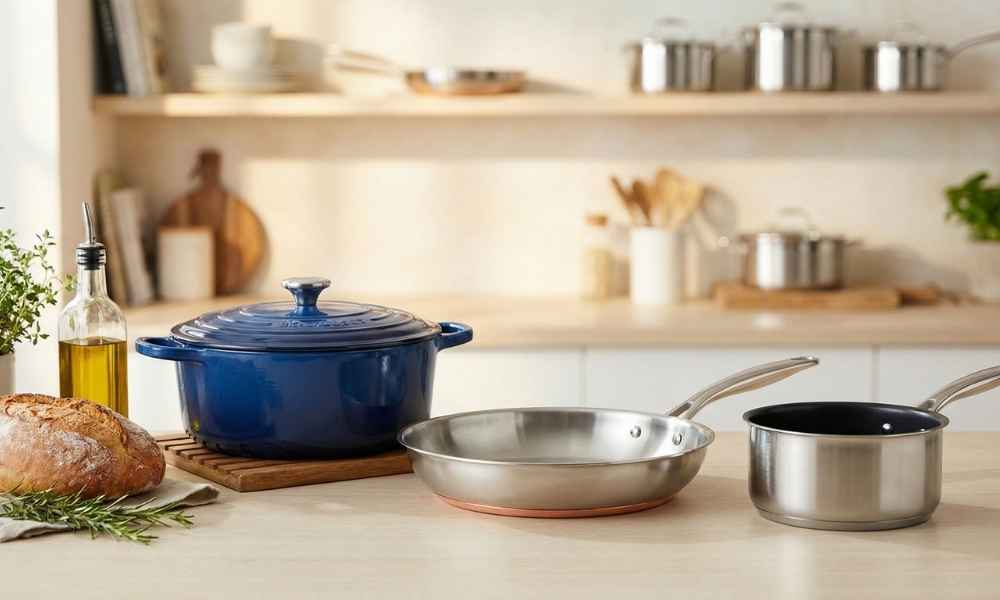
Stainless steel cookware
Stainless steel is a common choice for induction cooking. It can handle high heat and is often suitable for browning, searing, sauces, and boiling.
Choose stainless steel when you want:
- A durable cooking surface
- No synthetic nonstick coating
- Good performance at higher heat
- A pan that can move from stovetop to oven, if the model allows it
Food can stick if the pan is not preheated correctly or if the cooking temperature is too high. Check the manufacturer’s cleaning and preheating instructions.
Nonstick induction cookware
Nonstick pans are useful for eggs, pancakes, fish, and other foods that may stick. They are available with different coating types and care requirements.
Before buying, check:
- Whether the cooking surface is free of deep scratches
- The maximum oven temperature
- Whether metal utensils are allowed
- Whether the pan is dishwasher safe
- The warranty and replacement policy
Do not heat an empty nonstick pan for a long time. Follow the product instructions and replace a pan when the coating is peeling or badly damaged.
Cast iron
Cast iron works on most induction cooktops because it is magnetic. It holds heat well and suits searing, frying, baking, and slow cooking.
Its drawbacks include:
- High weight
- A rough base that may scratch glass
- Slow changes in temperature
- A need for seasoning if it is bare cast iron
Lift cast iron instead of sliding it across the cooktop. Enameled cast iron has a smoother exterior, but it is still heavy and should be handled with care.
Carbon steel
Carbon steel is magnetic and often works well on induction. It can become naturally nonstick as it is seasoned and used.
It is lighter than many cast iron pans but needs care to prevent rust. Acidic foods may also affect the seasoning in some pans.
Copper, aluminum, and glass
These materials usually need a magnetic plate or special base to work on induction. A pan made mainly from aluminum may still be induction compatible if it includes a magnetic stainless steel layer.
Check the exact product specifications. The material name alone does not answer the compatibility question.
How to Choose the Right Size and Shape
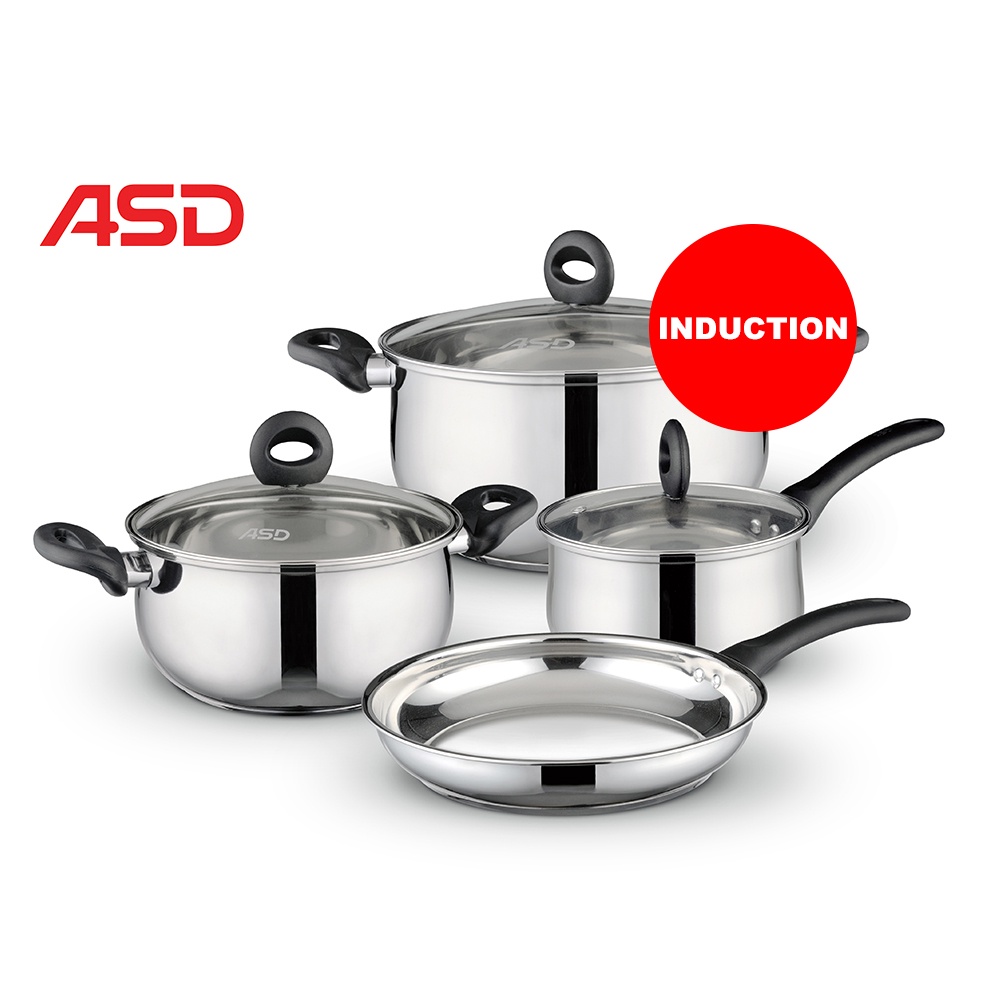
The bottom of the pan should match the active cooking area on your induction cooktop. A very small pan may not be detected by the burner. A pan that is much larger than the cooking zone may heat most strongly in the center.
Common sizes include:
- 8-inch skillet: Eggs, one serving, and small portions
- 10-inch skillet: Daily cooking for one or two people
- 12-inch skillet: Family meals, meat, and larger batches
- 1- to 2-quart saucepan: Small sauces and reheating
- 3- to 4-quart saucepan: Rice, vegetables, and soups
- 5- to 8-quart pot: Pasta, stock, and batch cooking
Measure the flat cooking base, not only the top rim. A pan labeled “12 inches” may have a smaller flat base.
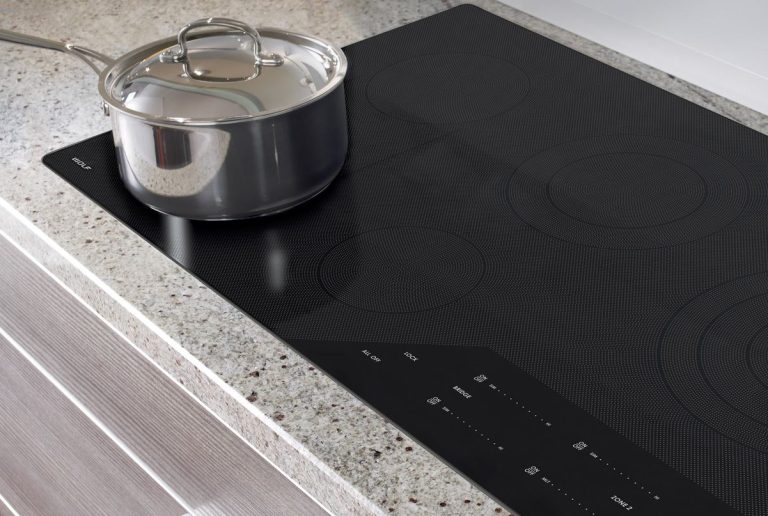
Also consider the cooktop controls. Some induction ranges use burner zones that can combine for a large griddle or roasting pan. If you plan to use specialty cookware, check the range manual before buying.
How to Check an Online Listing Before You Buy
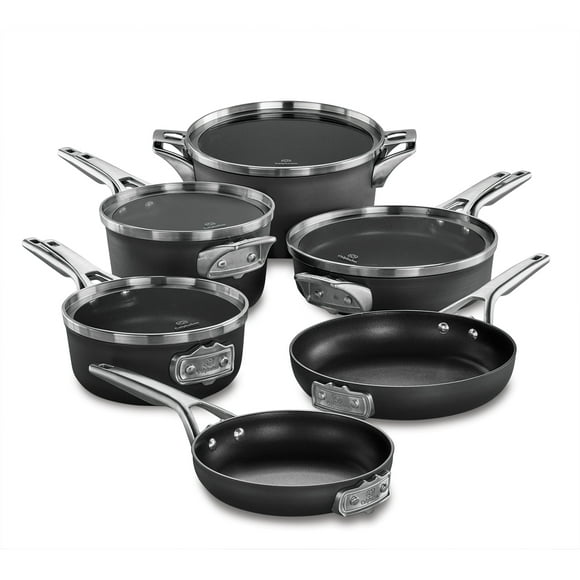
Online product pages can leave out key information. Use this short checklist before placing an order.
Confirm the exact model
Write down the model number or full product name. Similar pans may have different bases, coatings, or oven limits.
Find the induction statement
Look for a clear statement from the manufacturer. “Stainless steel” by itself is not enough.
Check the base
Product photos may show a thick base, but photos are not proof of performance. Find the technical description or care guide.
Read the warranty
A warranty may cover manufacturing defects but exclude damage from misuse, overheating, or normal wear. Read the terms for the specific product.
Review return rules
Check whether the retailer accepts used cookware. Some stores have different rules for marketplace sellers or clearance items.
Compare total cost
Include shipping, sales tax, membership fees, and any required accessories. A low item price may not produce a lower final cost.
Inspect reviews carefully
Reviews can reveal warped pans, loose handles, poor lids, or inaccurate dimensions. Treat individual reviews as user reports, not controlled tests.

Common Mistakes When Buying Induction Cookware
The most common mistake is buying cookware based only on its material or appearance. A shiny stainless steel pan may not be magnetic. A heavy pan may work on induction but damage a glass surface if dragged.
Avoid these mistakes:
- Assuming every stainless steel pan is induction compatible
- Buying a set without checking the useful piece count
- Ignoring the flat base diameter
- Forgetting that cast iron can scratch glass
- Choosing a very heavy pan without considering lifting and storage
- Relying on a marketplace title without checking the manufacturer
- Ignoring the oven temperature limit
- Buying used cookware without checking for warping
- Using a metal utensil in a coating that does not allow it
- Sliding cookware across the cooktop
If the cooktop does not detect the pan, turn off the burner and check the base, size, and placement. Do not keep increasing the heat to force a pan to work.
Where to Buy Induction Cookware: A Simple Decision
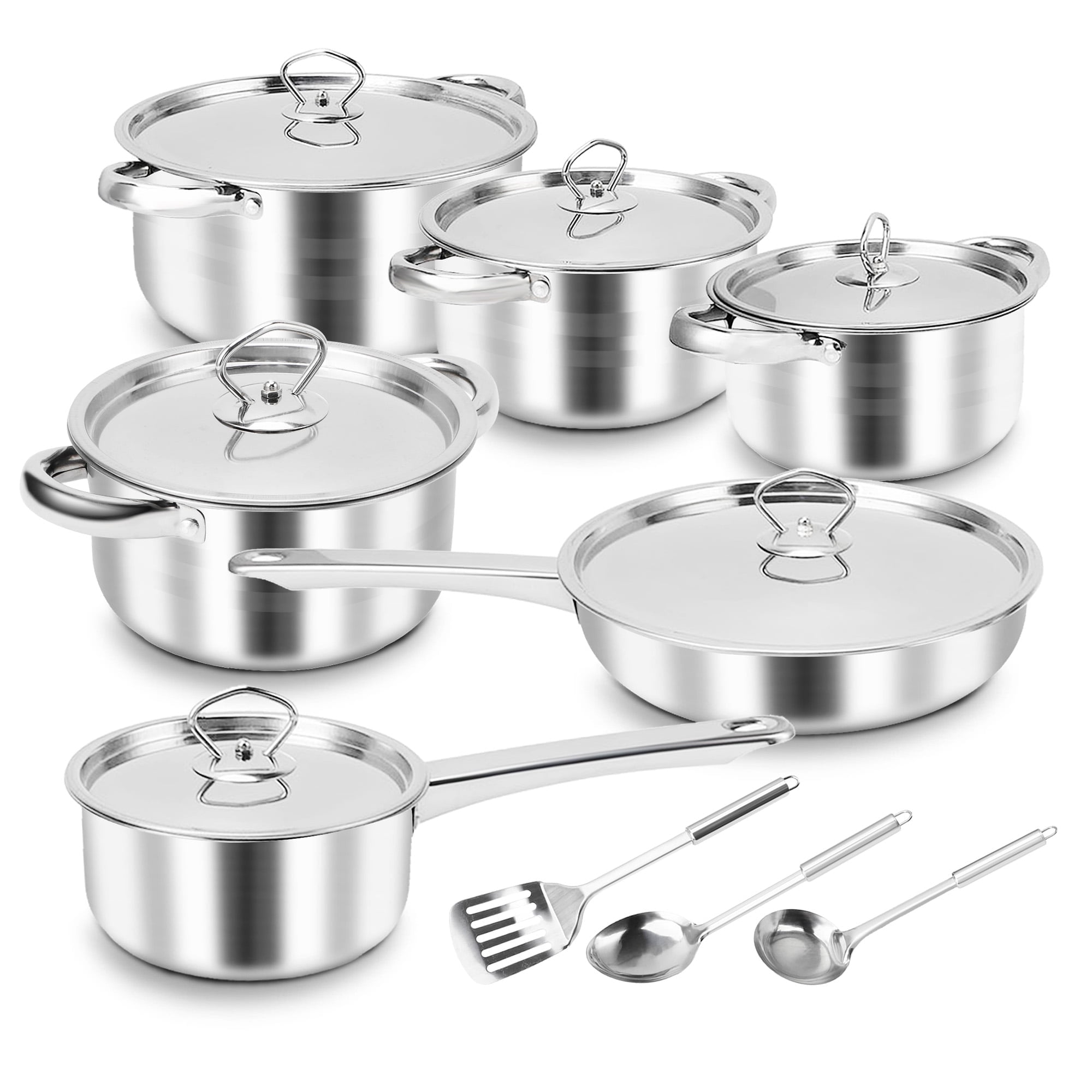
Use this process if you want a quick answer:
- Need one pan today? Check a local department, home, or kitchen store.
- Want the lowest price on a set? Compare warehouse clubs with major online retailers.
- Need exact specifications? Start with the cookware manufacturer.
- Want to feel the weight and handle? Visit a specialty kitchen store.
- Want used cast iron or stainless steel? Check resale sources and test the base.
- Unsure about compatibility? Buy only when the listing clearly says induction compatible or verify it with the manufacturer.
For many people, the safest buying path is to choose a trusted retailer with a clear return policy, confirm induction compatibility on the product page, and compare the exact model against the manufacturer’s information.
Key Takeaways
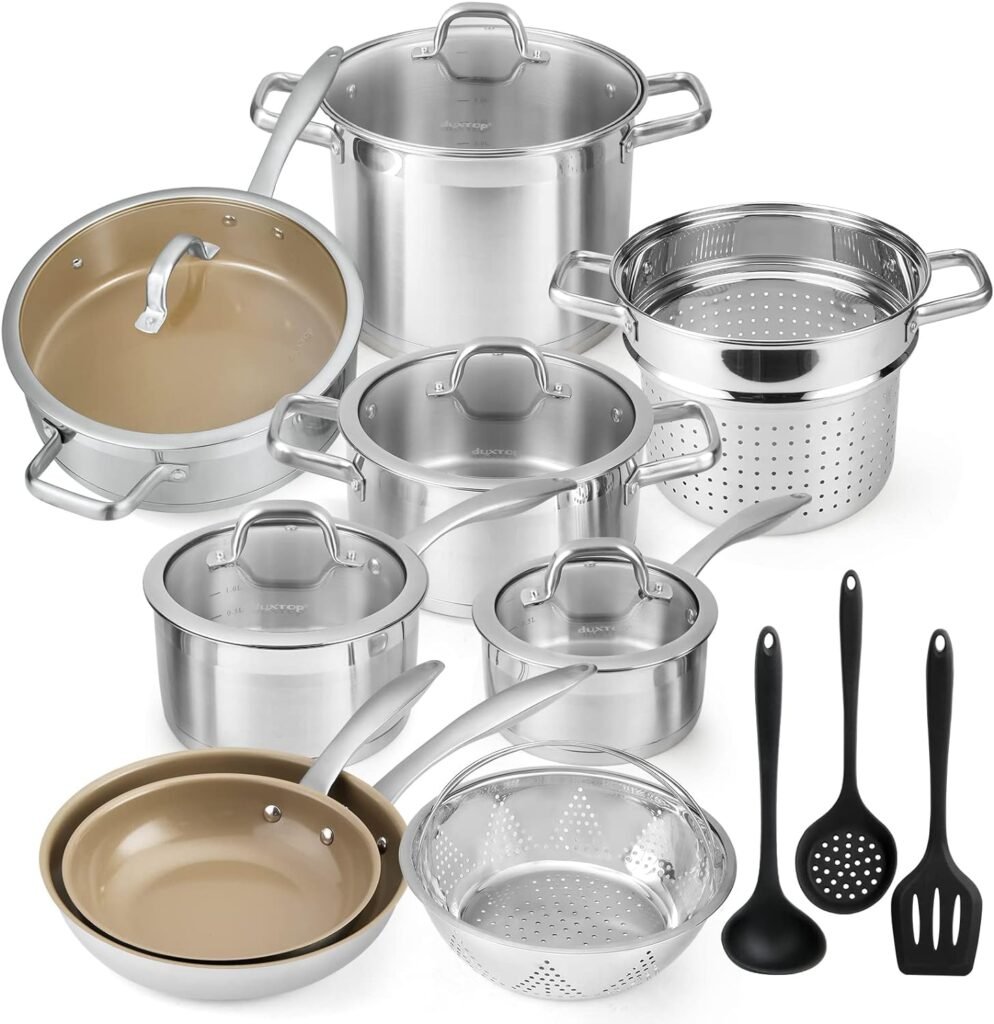
- Buy induction cookware from manufacturer websites, kitchen stores, department stores, warehouse clubs, online marketplaces, or reputable resale sources.
- Confirm that the exact pan is induction compatible.
- Use a magnet on the base as a quick test.
- Compare the flat base size with your cooktop’s burner zones.
- Choose individual pans instead of a large set when you do not need every piece.
- Handle cast iron with care on glass induction surfaces.
- Check warranties, return policies, seller details, and oven limits before buying.
FAQs
Can I use any stainless steel cookware on an induction cooktop?
No. Some stainless steel is magnetic and some is not. Check for an induction-compatible label or test the base with a magnet.
Does cast iron work on induction?
Usually, yes. Cast iron is magnetic, so it commonly works on induction. Lift it rather than sliding it, because a rough base can scratch a glass cooktop.
Is nonstick cookware safe for induction?
Induction compatibility and coating care are separate issues. A nonstick pan can work on induction if it has a magnetic base. Follow the manufacturer’s heat, utensil, and cleaning instructions.
Do I need special pots for an induction range?
You need cookware with a magnetic base. You do not need a special brand or a complete set. Many stainless steel, cast iron, and carbon steel pans work when properly constructed.
What should I do if my induction cooktop does not recognize the pan?
Turn off the burner. Center the pan, check that its base is magnetic, and compare its base diameter with the burner’s minimum size. If the pan still is not detected, contact the manufacturer or use induction-compatible cookware with a documented base.
Conclusion
The best place to buy induction cookware depends on your priority. Manufacturer websites provide strong product detail, specialty stores offer hands-on help, department stores make returns and pickup convenient, and warehouse clubs can reduce the cost of a useful set.
Before you buy, verify the exact model, confirm the magnetic base, check the flat cooking diameter, and read the care and return policies. Those four checks matter more than a large piece count or a polished product photo.