What Is An Induction Cooktop Stove: Benefits Explained

An induction cooktop stove uses magnetic energy to heat compatible cookware directly, making cooking fast, safe, and efficient.
If you have ever touched a cool stovetop beside a boiling pot, you have seen the key idea behind induction cooking. This guide explains what is an induction cooktop stove, how it works, what cookware it needs, and whether it fits your kitchen.
What Is an Induction Cooktop Stove?
What is an induction cooktop stove? It is an electric cooking appliance that uses magnetic fields to heat a pan directly. Unlike a gas burner or a standard electric coil, it does not first heat the air or the cooking surface.
Under the smooth glass surface, a copper coil creates a changing magnetic field. When you place a magnetic pan on the burner, the field creates tiny electrical currents inside the pan. These currents produce heat, which cooks the food.
The glass surface may become warm because of heat transferred back from the pan. However, the cooktop does not glow red or create an open flame. This makes induction cooking feel more controlled and precise.
An induction cooktop stove may be built into a kitchen counter or designed as a portable single burner. Some models are part of a full range with an oven, while others are standalone cooktops.
:max_bytes(150000):strip_icc()/ge-profile-php9036-36-inch-5-burner-smart-induction-cooktop--4189dd1ae8154e0eb73a23f5d0b5a7c7.jpg)
How Does an Induction Cooktop Stove Work?
The process is easier to understand with three main parts:
- A copper coil sits below the glass surface.
- An electronic control sends electricity through the coil.
- A compatible pan completes the magnetic circuit and heats up.
When you turn on an induction burner, the coil produces a magnetic field. The field passes through the glass and into the base of the pan. The pan then creates resistance against the electrical current, and that resistance turns into heat.
Think of the cooktop as an invisible energy bridge. It sends heat straight to the pan instead of building heat in a burner first. This helps explain why an induction cooktop stove can boil water very quickly.
Most induction models include pan detection. If you lift the pan or use a pan that is not magnetic, the burner may stop heating. This feature helps reduce wasted energy and adds a layer of safety.

Induction Cooking Compared With Gas and Electric
Understanding what is an induction cooktop stove becomes easier when you compare it with other cooking methods.
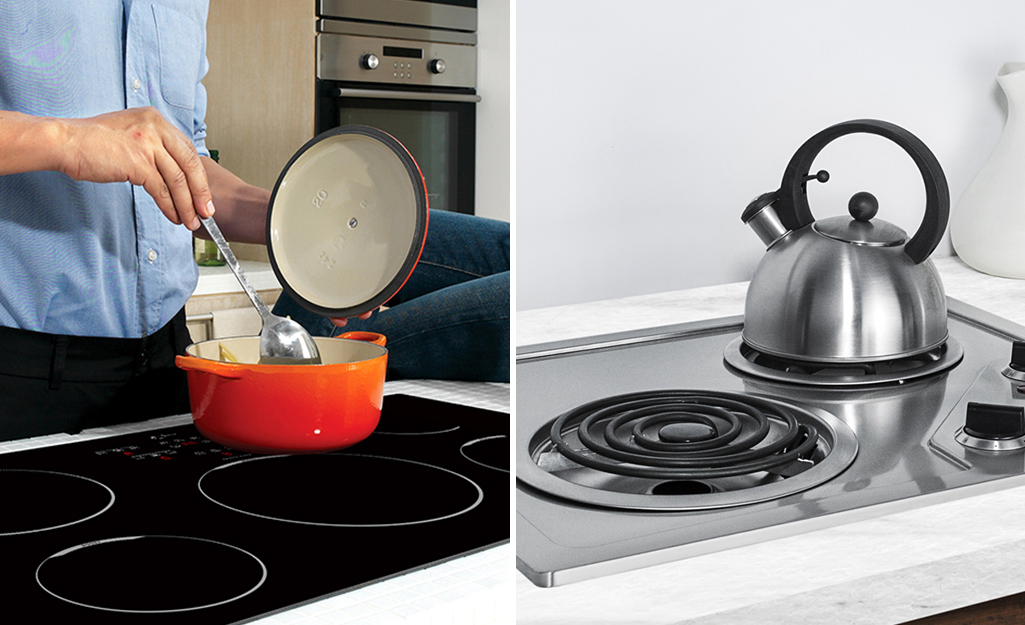
| Feature | Induction | Gas | Traditional electric |
|---|---|---|---|
| Heat source | Magnetic energy | Open flame | Heated coil or radiant element |
| Pan heats directly | Yes | No | No |
| Surface cleanup | Easy | Moderate | Easy to moderate |
| Heat response | Very fast | Fast | Slower |
| Open flame | No | Yes | No |
| Required cookware | Magnetic | Most cookware | Most cookware |
Gas cooking gives instant visual feedback through a flame. It also works with almost any pan. However, gas can release combustion pollutants indoors, and the open flame creates burn and fire risks.
Traditional electric cooktops are often less expensive to buy. Their radiant surfaces can stay hot for a long time, though, and temperature changes may take longer.
An induction cooktop stove combines many benefits of electric power with fast heat control. Its main trade-off is the need for compatible cookware and a higher purchase price for some models.
:max_bytes(150000):strip_icc()/fw-best-induction-tout-216e603a70c74dd0a6af7d97900d3c7a.jpg)
Main Benefits of an Induction Cooktop Stove
Fast heating
Induction burners can heat a pan quickly because energy moves directly into the cookware. In everyday use, this can shorten the time needed to boil water, heat soup, or sear meat.
The exact speed depends on burner power, pan size, food volume, and the electrical supply. A small pan on a high-power burner will heat faster than a large, cold pot filled with water.
Precise temperature control
Many induction models change temperature quickly when you adjust the controls. This is useful for delicate tasks such as melting chocolate, simmering sauces, or keeping rice at a low heat.
Some advanced models offer low-temperature settings. These settings can help prevent scorching, although you should still stir foods that are thick or sugary.
Better energy use
Because the pan receives heat directly, less energy escapes around the cookware. Federal energy guidance commonly identifies induction as one of the most efficient household cooking methods.
Efficiency does not mean every model costs less to operate. Your electricity rate, cooking habits, burner power, and appliance settings all affect the final cost.
Easier cleaning
The flat glass surface has no raised burner grates or coil rings. Spills are less likely to bake onto the surface because the cooktop itself usually stays cooler than a gas flame or radiant electric element.
Wipe spills after the surface cools. Avoid dragging rough pans across the glass, since grit under a pan can cause scratches.
Improved kitchen safety
An induction cooktop stove does not produce an open flame. It can also shut off when it detects no pan, depending on the model.
Still, the pan and food can become extremely hot. Child locks, automatic shutoff, and clear control markings are useful features, but they do not replace safe cooking habits.
Limitations and Possible Drawbacks
Induction cooking is not perfect for every home. Knowing the limits can help you make a smarter purchase.
The first issue is cookware. Aluminum, copper, glass, and many stainless steel pans will not work unless they have a magnetic layer on the bottom. A simple magnet test can help: if a magnet sticks firmly to the base, the pan will usually work.
The second issue is the learning curve. Induction burners can heat faster than expected, so a setting that feels moderate on an old electric stove may be too strong. Start at a lower setting and increase it as needed.
Other possible drawbacks include:
• Higher upfront cost for some models
• A need for a suitable electrical circuit
• Fan noise from cooling components
• Electronic controls that may feel less familiar
• Possible buzzing with lightweight or uneven pans
• A glass surface that can crack if hit by a heavy object
Power can also be a concern during an outage. Like other electric cooktops, an induction cooktop stove will not operate without electricity. If you often cook during outages, keep an alternative cooking plan.
What Cookware Works on an Induction Cooktop Stove?
The best cookware for an induction cooktop stove has a flat, magnetic base. Common compatible choices include:
• Cast iron
• Enameled cast iron
• Carbon steel
• Magnetic stainless steel
Some stainless steel pans look compatible but contain little or no magnetic metal. Always test the base instead of relying only on the label.
A pan should also match the burner size. A very small pan may not activate a large cooking zone. A warped pan may heat unevenly and can make buzzing sounds.
Cast iron works well, but use care. Its rough surface can scratch glass, especially when you slide the pan. Lift the pan instead of dragging it, and consider using an enamel-coated option for frequent use.
A flat base gives the best contact. Woks with round bottoms may not work well unless the cooktop has a special wok zone designed for them.
:max_bytes(150000):strip_icc()/samsung--nz36k7880usaa-36-inch-smart-induction-cooktop--bfb038897fdf45b68ed16f4c18f4f448.jpg)
How to Choose an Induction Cooktop Stove
Start by measuring the space where the appliance will go. Common built-in widths include 30 and 36 inches, while portable models are much smaller.
Then review these important features:
Burner size and layout
Choose burner zones that fit your most-used pans. A flexible zone can join two areas to support a griddle or long roasting pan.
Power levels
More power can mean faster heating, but it may also require a stronger electrical circuit. Check the installation instructions and ask a qualified electrician about your kitchen setup.
Controls
Touch controls create a smooth surface and are easy to wipe. Knob controls may feel more familiar, especially for cooks who prefer physical feedback.
Safety features
Useful options include:
• Pan detection
• Automatic shutoff
• Residual heat indicators
• Child lock
• Boil-over protection
• Control lock
Noise and ventilation
Most induction cooktops use a cooling fan. Read owner reviews carefully if you are sensitive to sound. You should also use a range hood or ventilation system when cooking creates smoke, grease, or strong odors.
Portable or built-in design
A portable induction burner suits small kitchens, apartments, offices, and travel with safe electrical access. A built-in induction cooktop stove gives a cleaner appearance and more cooking space but usually needs professional installation.
Installation and Electrical Needs
A portable unit usually plugs into a standard household outlet, but you should follow the product instructions. Do not use an extension cord unless the manufacturer specifically permits it.
Built-in models may need a dedicated circuit. Electrical requirements vary by model and location, so check the installation guide before buying. A licensed electrician can confirm whether your panel, wiring, and outlet are suitable.
The cooktop must also sit on a level, heat-resistant surface. Leave the required ventilation space below and around the unit. Blocking airflow can cause overheating or reduce the appliance’s life.
In a kitchen remodel, plan the cooktop, oven, cabinets, and ventilation together. Small installation mistakes can create large problems later, especially when the cooktop needs a specific counter opening.
Tips for Using an Induction Cooktop Stove
When learning what is an induction cooktop stove, begin with simple meals. Water, soup, eggs, and sautéed vegetables let you learn how quickly the burner responds.
Use these practical tips:
- Place the pan in the center of the cooking zone.
- Start with a medium or low setting.
- Preheat pans for a shorter time than you would on gas.
- Use the correct pan size for the burner.
- Lift pans instead of sliding them.
- Wipe the surface after it cools.
- Keep the control panel dry and clear.
- Read the manual for special modes and error codes.
One common mistake is setting the burner too high before adding food. With induction, oil may reach its smoke point quickly. A slower start gives you more control and helps protect delicate ingredients.
Another mistake is assuming every stainless steel pan will work. Test your cookware before preparing a full meal. Replacing one unsuitable pan is easier than discovering the problem halfway through dinner.
Cleaning and Maintaining an Induction Cooktop Stove
Wait until the surface is cool before cleaning. Use a soft cloth or nonabrasive sponge with a small amount of cooktop cleaner.
For dried spills, use a cleaner made for glass cooktops and follow the product directions. A cooktop scraper may help with stubborn residue, but hold it at the correct angle and use gentle pressure.
Avoid these cleaning habits:
• Do not use steel wool.
• Do not use harsh scouring powder.
• Do not place wet cookware on a hot control panel.
• Do not drag rough cast iron across the glass.
• Do not spray cleaner directly into vents or controls.
Check the pan bottoms as well. Grease, salt, and food particles can burn onto the glass or scratch it when the pan moves. Clean cookware supports more even heating and protects the cooking surface.
Induction Cooktop Stove Safety
An induction cooktop stove is often safer than a gas burner in some ways, but it still requires care. The pan, handles, oil, and food can reach dangerous temperatures.
Keep flammable items away from the cooking area. Turn pan handles inward, use oven mitts, and avoid touching the glass when the residual heat indicator is on.
People with implanted medical devices should follow the device maker’s advice about induction appliances. Modern cooktops may create electromagnetic fields near the surface, and individual guidance can vary.
Do not place metal objects such as knives, cans, or loose utensils on an active cooking zone. Do not use a cracked cooktop. Disconnect power and arrange professional service if the glass is damaged.
If the appliance shows an error code, stop using it and check the manual. Repeated errors may indicate an electrical, sensor, or cooling problem that needs qualified service.
Is an Induction Cooktop Stove Worth It?
For many households, the answer is yes. An induction cooktop stove offers fast heating, precise control, easy cleaning, and strong safety features.
It may be a good choice if you:
• Want faster cooking
• Prefer a clean, modern surface
• Cook often and value control
• Want to reduce open-flame risks
• Already own magnetic cookware
It may not be ideal if you rely on nonmagnetic cookware, have limited electrical capacity, or want the visual flame control of gas. The best choice depends on your cooking style, budget, kitchen wiring, and cookware.
From hands-on use, the biggest adjustment is learning restraint. Induction rewards small changes. Once you stop treating the burner like a slow electric coil, tasks such as simmering and searing become much easier.
Frequently Asked Questions About What Is an Induction Cooktop Stove
Does an induction cooktop stove use electricity?
Yes. It uses electricity to create a magnetic field beneath the cooking surface. That field heats compatible cookware directly.
Can any pan be used on an induction cooktop stove?
No. The pan must contain magnetic material, such as cast iron, carbon steel, or magnetic stainless steel. Test the bottom with a magnet before using it.
Is an induction cooktop stove safer than gas?
It removes the open flame and can include features such as pan detection and automatic shutoff. However, hot cookware, boiling liquids, and the glass surface can still cause burns.
Does an induction cooktop stove heat faster than electric?
Usually, yes. Because energy moves directly into the pan, induction often heats food faster than traditional radiant electric cooking.
Can cast iron be used on an induction cooktop stove?
Yes, cast iron works well because it is magnetic. Lift it instead of sliding it to reduce the chance of scratching the glass surface.
Does an induction cooktop stove make noise?
Some models produce a soft hum, buzz, or fan sound. Noise can change with the pan material, power level, and cookware size.
Conclusion
An induction cooktop stove uses magnetic energy to heat compatible cookware directly. This design provides fast heating, precise control, easy cleaning, and useful safety features without an open flame.
The main points to check are cookware compatibility, electrical needs, burner layout, safety functions, and surface care. Test your pans with a magnet, begin with lower heat, and follow the installation guide carefully.
If you are planning a kitchen upgrade, compare several models and choose one that matches your space and cooking habits. Explore more appliance guides, share your experience, or leave a comment about the induction features you value most.