How To Use Non Induction Cookware On Induction Cooktop: Easy Guide

Use an induction interface disk or adapter plate to heat non induction cookware safely on an induction cooktop.
If you’ve ever stood in your kitchen wondering how to make a beloved old pan work on a modern induction stove, you’re not alone. I’ve dealt with that exact moment many times while testing cookware in real kitchens, and the good news is that you do have options when using non induction cookware on induction cooktop surfaces. In this guide, I’ll walk you through the practical ways it works, the risks to watch for, and the smartest habits that keep cooking easy, safe, and efficient.
What an Induction Cooktop Needs to Work
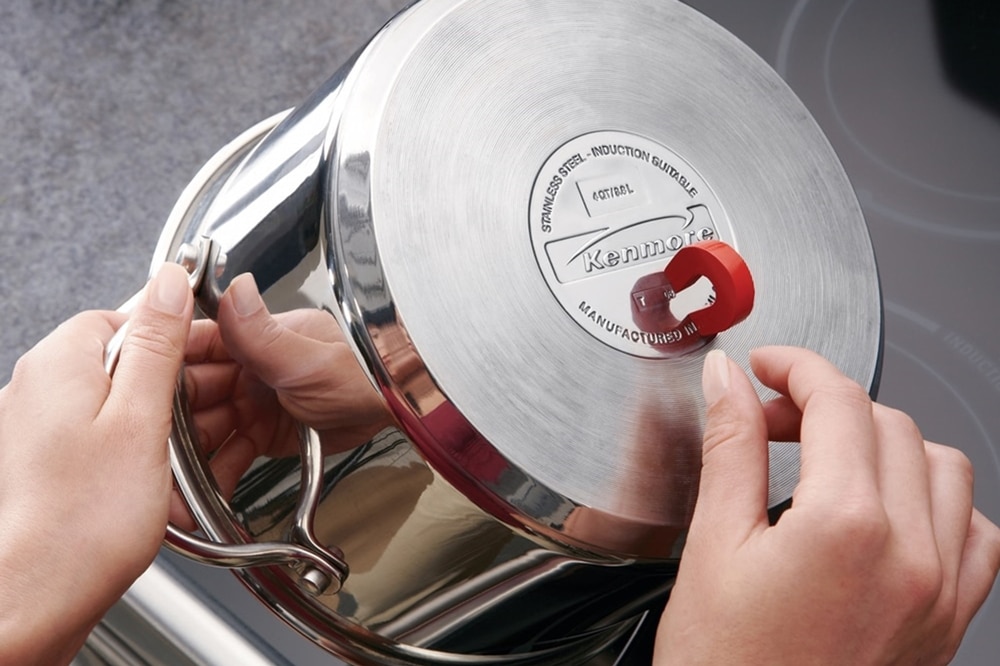
An induction cooktop does not heat the burner surface the way gas or electric stoves do. It creates a magnetic field that heats the cookware itself. That means the pan must contain magnetic material, usually cast iron or certain stainless steel.
If your pot or pan is made from aluminum, copper, glass, or non magnetic stainless steel, it will usually not work on its own. That is why people search for ways of how to use non induction cookware on induction cooktop setups without replacing every pan they own.
The simplest rule is this:
- If a magnet sticks firmly to the bottom, the cookware will likely work.
- If a magnet does not stick, you will need an adapter or a different method.
In my own testing, I’ve found that even cookware labeled “stainless steel” can fail on induction if the base is not magnetic enough. The label can be misleading, so the magnet test is still the fastest reality check.

Ways to Use Non Induction Cookware on Induction Cooktop
There are a few practical methods for how to use non induction cookware on induction cooktop surfaces. Some are better for everyday cooking, while others are more of a backup solution.
Use an Induction Adapter Plate
An induction adapter plate, also called an induction interface disk, is the most common solution. The plate sits between the cooktop and your non induction cookware. The cooktop heats the plate, and the plate transfers heat to the pan.
This works best for:
- Glass pots
- Aluminum pans
- Copper cookware
- Non magnetic stainless steel pans
A few things I’ve learned the hard way:
- Heat-up time is slower than with true induction cookware.
- You may need lower to medium heat to avoid hot spots.
- The handle and the plate can get very hot, so use care.
If you want a simple answer to how to use non induction cookware on induction cooktop without buying all new cookware, this is usually the best starting point.
Use a Magnetic Heat Diffuser
A heat diffuser can help spread heat more evenly, but it is not always the same thing as an induction adapter. Some diffusers work well on induction if they are made with magnetic material. Others are meant for gas or electric stoves only.
Before buying, check that the product is clearly marked as induction compatible. Otherwise, it may not work at all.
Transfer Food to Induction-Friendly Cookware
Sometimes the safest choice is the most boring one. If you are simmering soup, sauces, or stews in a non induction pot, you can heat a magnetic pot separately and move the food over.
That may sound old school, but it can save time and reduce frustration when a recipe already started in the wrong pan. I’ve done this during busy cooking days when I realized too late that the pot would not trigger the cooktop.
Replace the Cookware When Needed
This is not the answer everyone wants, but it is often the best long-term fix. If you cook on induction every day, investing in compatible cookware can save energy, improve heat control, and make cleanup easier.
A good induction-ready pot usually has:
- A flat bottom
- Strong magnetic contact
- Even heat distribution
- Clear induction labeling

How to Use an Induction Adapter Plate Correctly
Using an adapter plate is the most reliable method for how to use non induction cookware on induction cooktop burners. But it works best when used the right way.
Follow these steps:
- Place the adapter plate on the induction zone.
- Turn the cooktop on at low or medium power.
- Let the plate warm up for a short time.
- Place your non induction cookware on top.
- Adjust heat slowly as needed.
A few smart tips:
- Start low, then increase heat gradually.
- Use cookware with a flat bottom for better contact.
- Do not preheat the adapter for too long without cookware on top.
- Keep an eye on the handle temperature.
One mistake I see often is people cranking the cooktop to high heat too fast. That can create uneven heating, smoke, or unnecessary wear on both the plate and the cookware. Think of the adapter as a bridge, not a shortcut for blasting heat.
Pros and Cons of Using Non Induction Cookware
Before you commit, it helps to understand the tradeoffs. Not every method is equally efficient.
Benefits
- You can keep using cookware you already own.
- It saves money in the short term.
- It helps when you have specialty pots that are not induction ready.
- It can be useful for occasional cooking or backup use.
Limitations
- Heat is slower and less efficient.
- Temperature control may be less precise.
- The adapter plate adds extra cleanup.
- Some cookware may heat unevenly.
- Safety can be an issue if the pan and plate are not stable.
In professional kitchens, efficiency matters. That is why many chefs prefer direct induction-compatible pans. Still, for home cooks, the adapter plate can be a practical middle ground when you are learning how to use non induction cookware on induction cooktop appliances.
What Cookware Usually Works and What Does Not
Knowing your materials makes everything easier. Induction depends on magnetic response, not just metal.
Usually Works
- Cast iron
- Enameled cast iron
- Magnetic stainless steel
- Some carbon steel pans
Usually Does Not Work Without an Adapter
- Aluminum
- Copper
- Glass
- Ceramic
- Non magnetic stainless steel
A quick magnet test is still the easiest way to check. If the magnet barely clings or slides off, the pan may not perform well on induction, even if it looks sturdy and expensive.
Safety Tips You Should Not Skip
Using non induction cookware on an induction cooktop is safe only when you respect the limits of the setup. That means reading the manual for both the cooktop and the adapter plate.
Keep these safety points in mind:
- Never leave an adapter plate unattended at very high heat.
- Use oven mitts or pot holders for hot handles.
- Make sure the cookware sits flat on the plate.
- Watch for overheating, especially with thin pans.
- Let the adapter cool before moving it.
There is also a trust factor here: induction cooktops are designed to protect users by heating the pot, not the burner. But once you add an adapter, you are creating an extra heat transfer layer. That extra step can change how fast things cook and how hot the surrounding area gets.
Best Cooking Practices for Better Results
If you want better performance, treat the setup a little like a slow-running engine. It can work well, but only if you drive it smoothly.
Try these habits:
- Preheat gently instead of using max power.
- Use lids to hold heat in.
- Stir more often to reduce hot spots.
- Match pan size to the adapter plate.
- Avoid very lightweight cookware that can wobble or tip.
For sauces, soups, and simmering tasks, this method often works fine. For fast searing or boiling water quickly, true induction cookware performs better every time.
Common Mistakes to Avoid
When people first learn how to use non induction cookware on induction cooktop systems, they usually make a few predictable mistakes.
- Assuming any metal pan will work
- Using an adapter that is too small
- Turning heat to high immediately
- Ignoring the cooktop’s error messages
- Forgetting that the plate stays hot after cooking
I once saw a friend place a tiny saucepan on a large adapter plate and wonder why the heat felt uneven. The issue was not the cooktop. It was the mismatch between the cookware and the plate size. Small details like that matter a lot.

Is It Worth Using Non Induction Cookware on Induction Cooktop?
It depends on your cooking style and budget. If you only use induction sometimes, an adapter plate can be a smart and affordable fix. If you cook daily and want the best speed and control, induction-ready cookware is usually the better investment.
Here is a simple way to think about it:
- Occasional use: adapter plate makes sense
- Frequent use: buy induction-compatible cookware
- Specialty cookware: keep the adapter as a backup
The most practical answer to how to use non induction cookware on induction cooktop is not always “force it.” Sometimes the best choice is to adapt, and sometimes it is to upgrade.
Frequently Asked Questions
Can you use any non induction cookware on an induction cooktop?
Not directly. Most non magnetic cookware will not heat unless you use an induction adapter plate or interface disk. The cooktop needs magnetic material to create heat.
Do induction adapter plates damage the cooktop?
Usually no, if they are used correctly and the cooktop manual allows them. The key is using the right size plate and avoiding extreme heat for long periods.
Is an induction adapter plate efficient?
It works, but it is less efficient than true induction cookware. Some heat is lost in the transfer from cooktop to plate to pan, so cooking may take longer.
Can I use aluminum pans on induction with an adapter?
Yes, you can usually use aluminum pans with an induction adapter plate. The adapter provides the magnetic link needed for the cooktop to function.
How do I know if my cookware is induction ready?
Use a magnet on the bottom of the pan. If it sticks firmly, the cookware will likely work on induction. If it does not stick, it probably needs an adapter.
Conclusion
Learning how to use non induction cookware on induction cooktop surfaces is really about knowing your tools and choosing the right workaround. An adapter plate, a magnetic diffuser, or a cookware upgrade can each solve the problem in a different way, depending on how often you cook and what you already own.
The biggest lesson is simple: start with the magnet test, use the right adapter if needed, and cook with a little patience. If you apply those basics, you can get solid results without replacing everything in your kitchen overnight. Explore your cookware, test what works, and make the setup fit your real cooking life.