What Is Cast Iron Cookware Good For: Best Uses

Cast iron cookware is best for searing, baking, frying, and holding heat evenly for long cooking.
If you have ever wondered what is cast iron cookware good for, the real answer is simple: it is one of the most versatile tools in the kitchen. From crispy skillet chicken to golden cornbread and even a perfectly baked pizza, cast iron does jobs that many other pans struggle to do well. I have used it for years, and the biggest lesson I learned is this: once you understand its strengths, cast iron becomes less of a pan and more of a kitchen workhorse.

What Cast Iron Cookware Is and Why It Matters
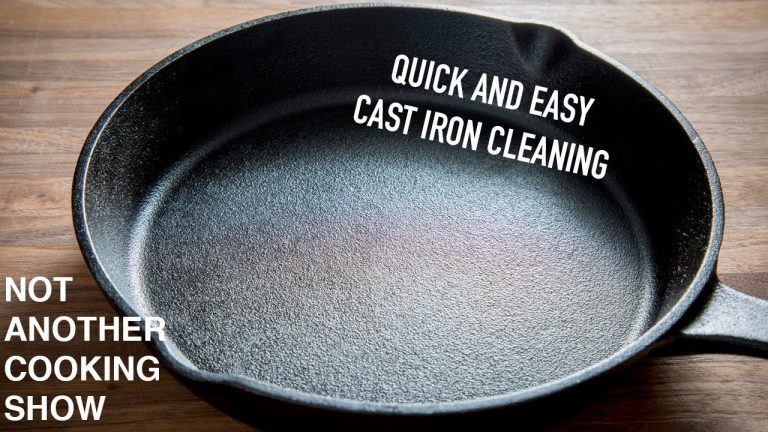
Cast iron cookware is made from molten iron poured into molds. That gives it a thick, heavy body that stores heat very well. It is known for strong heat retention, even cooking, and a natural nonstick surface that improves over time when seasoned properly.
What is cast iron cookware good for? A lot more than people think. It works on the stovetop, in the oven, over a campfire, and even on a grill. That flexibility is one reason home cooks and chefs still trust it.
In my own kitchen, cast iron has saved dinner more times than I can count. When a recipe needs a hard sear or a steady oven bake, it often outperforms lighter pans. It is like the old pickup truck of cookware: not flashy, but reliable, tough, and ready for almost anything.
:max_bytes(150000):strip_icc()/faw-cast-iron-cookware-set-june-24-test-lodge-skillet-red-silicone-hot-handle-holder-nsimpson-672-1-ed489cfed4bf41598d481ecf31bbf0fa.jpeg)
What Is Cast Iron Cookware Good For?
Cast iron cookware is good for cooking that needs intense, steady heat. It excels at browning meat, crisping skin, baking bread, and keeping food hot at the table. It also handles high temperatures better than many nonstick pans.
Here are the main tasks cast iron does especially well:
- Searing steaks and chops because it can get very hot and stay hot
- Frying chicken, potatoes, and other foods that need crisp edges
- Baking cornbread, skillet cookies, and casseroles
- Roasting vegetables for deep flavor and caramelization
- Cooking one-pan meals from stovetop to oven
- Making pizza with a crisp crust
- Heating tortillas, flatbreads, or naan
- Outdoor cooking over a fire or coals
What is cast iron cookware good for? In short, it is ideal when you want heat control, durability, and browning power. If you enjoy real flavor and a good crust, cast iron is hard to beat.

Heat Retention: The Biggest Advantage
One of the best things about cast iron cookware is heat retention. Once it gets hot, it stays hot. That matters because food does not cool the pan down as quickly, which helps you get better sears and more even cooking.
This is why cast iron is a favorite for steak, smash burgers, and fried chicken. A thin pan can lose heat fast when cold food hits it, but cast iron keeps going. That steady heat makes a big difference in texture and taste.
I learned this the hard way the first time I cooked burgers in a thin skillet. The meat steamed instead of seared. When I switched to cast iron, the difference was obvious right away: better crust, better flavor, better results.
Searing Meat and Creating Flavor
If you ask cooks what is cast iron cookware good for, searing is usually near the top of the list. Cast iron creates a rich brown crust on meat through the Maillard reaction, which is the science behind that deep savory flavor.
It is especially useful for:
- Steaks
- Pork chops
- Chicken thighs
- Lamb chops
- Burgers
- Duck breast
The trick is simple. Preheat the pan well, dry the meat, and avoid crowding. A cast iron skillet gives you the hot surface needed for browning instead of boiling the food in its own moisture.
For best results, I usually let the pan warm slowly. Rushing it can lead to uneven heat. Patience pays off here, just like letting a good story build before the best part.
Frying and Crispy Foods
Cast iron cookware is also excellent for frying. Its heavy build helps keep oil temperature stable, which is important for crisp food and less greasy results. That makes it useful for shallow frying and even deeper frying in some setups.
It works well for:
- Fried chicken
- Fries
- Onion rings
- Fish fillets
- Fried eggs
- Hash browns
A small mistake I made early on was adding too much food at once. That dropped the oil temperature fast and made everything soggy. Cast iron is forgiving, but it still works best when you give it space.
Baking in Cast Iron
Many people are surprised to learn how good cast iron is for baking. What is cast iron cookware good for in the oven? A lot. It gives bread, pizza, and desserts a strong bottom crust and even bake.
Good baking uses include:
- Cornbread
- Skillet cookies
- Focaccia
- Pizza
- Fruit crisps
- Casseroles
Because cast iron holds heat so well, baked goods get that rustic, golden finish people love. I especially like using a skillet for cornbread because the edges come out crisp while the center stays tender. It feels a little old-fashioned in the best way.
One-Pan Meals and Oven-to-Table Cooking
Cast iron is great for one-pan meals because you can start on the stovetop and finish in the oven. That saves dishes and keeps cooking simple. It is a practical choice for busy nights when you want comfort food without a mess.
Examples include:
- Chicken and rice
- Sausage with peppers
- Shakshuka
- Pasta bakes
- Skillet enchiladas
Cast iron also looks nice enough to serve at the table. It keeps food warm longer than many pans, which is handy when people are eating at different times. I have used this more than once during family dinners, and it really does help keep the meal relaxed.
Outdoor Cooking and Camping
If you cook outside, cast iron cookware shines. It works over a campfire, on hot coals, on a grill, and even on a fire pit. That makes it one of the most practical tools for camping and backyard cooking.
It is especially good for:
- Campfire breakfasts
- Grilled vegetables
- Cornbread over coals
- Stews and chili
- Dutch oven-style meals
The toughness of cast iron is a major plus outdoors. You do not have to baby it the way you would with delicate pans. Just remember to clean and dry it well afterward, because moisture is the enemy of iron.
Durability and Long-Term Value
Another reason people ask what is cast iron cookware good for is simple: it lasts. A well cared for cast iron pan can last for decades, even generations. That makes it one of the best long-term buys in the kitchen.
Benefits of durability include:
- Less need to replace cookware
- Better value over time
- Fewer coatings that wear out
- A pan that improves with use
I like that cast iron feels honest. It may not be light or trendy, but it is dependable. If you season it, clean it properly, and store it dry, it can outlast many modern pans.
What Cast Iron Cookware Is Not Best For
Cast iron is useful, but it is not perfect for every task. It is heavy, slow to heat, and not the easiest choice for delicate foods that need low, precise control. Knowing its limits helps you use it better.
It may not be the best option for:
- Quick sauces that need fast temperature changes
- Acidic dishes cooked for a long time, like tomato sauce, unless the pan is well seasoned
- People who cannot lift heavy cookware
- Foods that need very gentle, even low heat
That said, some limitations are manageable with good technique. A seasoned pan handles more than many people think, but it still has its sweet spot.
Seasoning and Nonstick Performance
A big part of what is cast iron cookware good for comes down to seasoning. Seasoning is a thin layer of baked-on oil that helps protect the pan and build a naturally nonstick surface. The more you cook with it and care for it, the better it usually gets.
This surface is useful for:
- Fried eggs
- Pancakes
- Fish
- Delicate browning jobs
One mistake I made early was scrubbing too hard and stripping the seasoning. After that, I learned to clean gently and dry the pan right away. A little oil after cleaning can go a long way in keeping the surface in good shape.
Cast Iron vs Other Cookware
Cast iron stands out because it brings different strengths than stainless steel, aluminum, or nonstick pans. Stainless steel is lighter and better for fast pan sauces. Nonstick is easier for delicate eggs and cleanup. Cast iron sits in the middle as the durable, high-heat specialist.
Here is a simple way to think about it:
- Cast iron is best for searing, frying, baking, and heat retention
- Stainless steel is best for speed, fond, and sauce work
- Nonstick is best for low-fat cooking and easy release
- Aluminum is best for quick, even heating
If you cook often and like bold browning, cast iron is one of the most useful pans you can own. It does not replace every other pan, but it earns its place.
How to Care for Cast Iron the Right Way
Good care keeps cast iron working well. The process is simple, and once it becomes a habit, it takes very little time.
Follow these steps:
- Wash with warm water and a soft brush or sponge.
- Use a small amount of soap if needed.
- Dry the pan fully right away.
- Add a thin layer of oil if the surface looks dry.
- Store it in a dry place.
Avoid soaking cast iron in water. Also avoid leaving wet food in the pan for long periods. Rust can form fast if the pan stays damp, but the good news is that rust is usually fixable.
Common Mistakes to Avoid
People often think cast iron is difficult, but most problems come from a few simple mistakes. If you avoid these, the pan becomes much easier to use.
Watch out for:
- Not preheating the pan enough
- Using too much oil
- Cooking wet food that will steam instead of sear
- Letting the pan sit wet
- Scrubbing too aggressively
- Assuming every cast iron pan works the same way
I have found that most cast iron issues are user issues, not pan issues. Once you learn the rhythm, the pan starts feeling almost intuitive.
Frequently Asked Questions of What is Cast Iron Cookware Good for
Is cast iron cookware good for everyday cooking?
Yes, cast iron cookware is good for everyday cooking if you do not mind the weight. It works well for eggs, vegetables, meats, and simple skillet meals. Many people use it daily because it can move from stovetop to oven with ease.
Is cast iron cookware good for beginners?
Yes, cast iron cookware is good for beginners because it is durable and forgiving. It may take a little practice to control heat and seasoning, but the learning curve is manageable. Once you get used to it, it becomes very easy to use.
Can cast iron cookware be used on induction stoves?
Yes, cast iron cookware works very well on induction stoves. Its magnetic base makes it compatible, and its strong heat retention helps it perform well. Just remember that it heats slowly, so give it time to warm up.
Is cast iron cookware good for acidic foods?
Cast iron cookware can handle acidic foods for short cooking times, but it is not ideal for long simmering tomato or vinegar-heavy dishes. Acid can wear down seasoning and affect taste if the dish cooks too long. A well-seasoned pan helps, but stainless steel is often a better choice for those recipes.
Why does cast iron cookware cook food so well?
Cast iron cookware cooks food well because it holds heat steady and spreads that heat across the surface. That helps with browning, crisping, and even cooking. It is especially useful when you want strong flavor and a good crust.
Is cast iron cookware worth buying?
Yes, cast iron cookware is worth buying for most home cooks. It offers durability, versatility, and strong cooking performance at a low cost. If you care about searing, baking, and long-term value, it is one of the smartest cookware purchases you can make.
Conclusion
Cast iron cookware is good for more than just old-fashioned recipes. It is one of the best tools for searing, frying, baking, roasting, and outdoor cooking because it holds heat so well and gets better with time. It is not the lightest pan, but it rewards care with excellent results and long life.
If you want cookware that can handle a wide range of jobs and improve your cooking, cast iron is a strong choice. Start with one skillet, use it often, and learn its rhythm. You may be surprised at how quickly it becomes the pan you reach for most.
If this guide helped you, explore more cooking tips, save it for later, or leave a comment with your favorite cast iron recipe.