Are Old Aluminum Pans Safe? What You Need to Know

For decades, cooks have used aluminum pans in home and commercial kitchens. In the 20th century they were everywhere. Today you might find an old aluminum pan in your own kitchen or at a thrift shop. The question many of us ask is simple: are those old pans still safe to use? That matters if you cook for yourself, your kids, or guests. Some worry about health risks. Others value the pan’s performance or sentimental value.
I want to walk you through what matters about old aluminum pans. We’ll cover safety concerns, how aluminum behaves with food, what the science actually says, and practical care tips. If you’re staring at grandma’s cookware and unsure, you’ll have clear, usable answers by the end.
Why Aluminum Was Popular For Cookware
Aluminum pans became common in the early 1900s. There are good reasons why so many kitchens used them:
- Lightweight: Aluminum is much lighter than cast iron or some steel pans. It’s easy to lift even when full.
- Heats quickly and evenly: Aluminum conducts heat well. That means fewer hot spots and faster cooking.
- Affordable: Aluminum cost less than many metals. This made decent cookware affordable for many families.
- Does not rust: Unlike iron or uncoated steel, aluminum doesn’t form rust when it gets wet.
Because of these strengths, aluminum pans became a go-to choice. People used them for frying, baking, and general everyday cooking.
How Aluminum Pans Are Made
Knowing how a pan was made helps explain how it behaves. Most older pans were produced by either casting or stamping.
Casting means molten aluminum is poured into a mold. Cast pans tend to be thicker and heavier. Stamped pans start as a flat sheet that’s pressed into shape. They are thinner and lighter.
Some pans are bare aluminum with no added surface. Others were made with a nonstick coating or were anodized to harden the surface. Over time, bare aluminum develops a thin, natural layer of aluminum oxide (Al2O3). That oxide layer is important: it protects the metal beneath and reduces how reactive the surface is with food.
Common Concerns About Old Aluminum Pans
People worry about three main issues when it comes to old aluminum pans:
- Aluminum exposure: Could cooking raise the aluminum levels in my food?
- Reactivity: Will the pan change the taste or color of certain foods?
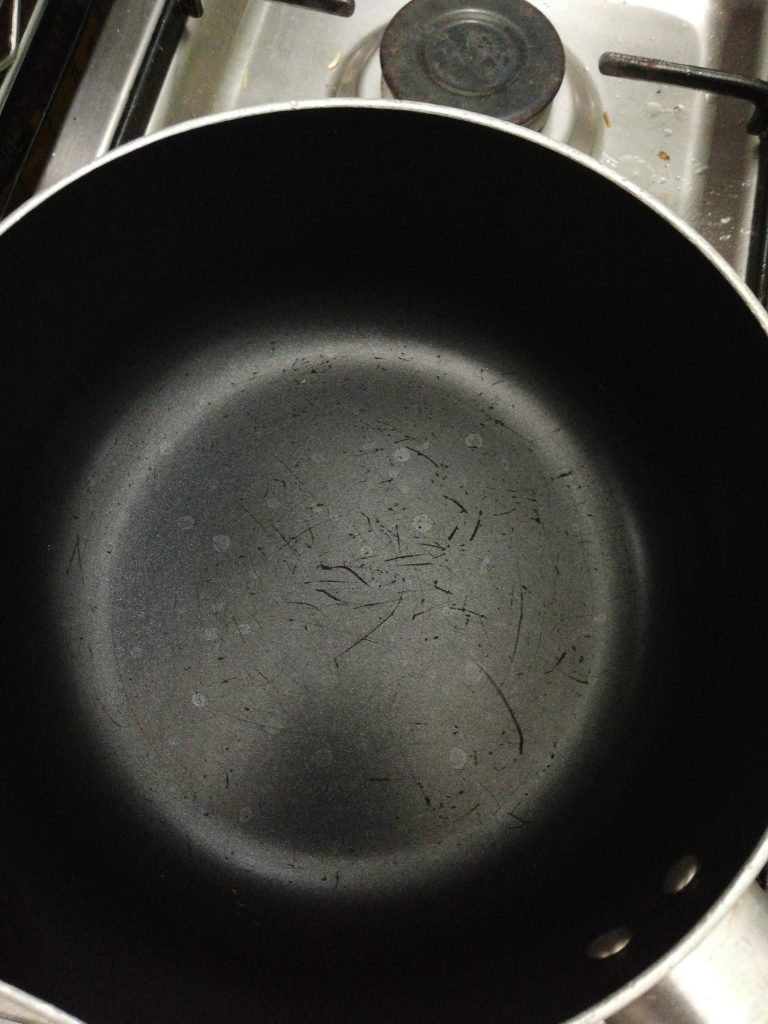
- Damage and wear: Are scratched, pitted, or flaking pans unsafe?
We’ll take each concern in turn.
How Aluminum Reacts With Food
Aluminum is a reactive metal. In certain conditions it can react with food, especially when food is acidic or salty. That reaction can transfer tiny amounts of metal into food and sometimes change taste or color.
Foods Most Likely To React
- Tomatoes
- Citrus fruits
- Vinegar-based sauces
- Rhubarb
- Pickled foods
When cooked in bare aluminum, these foods can pick up a metallic taste or a darkened color. The pan may show pitting or discoloration too.
The Role Of The Oxide Layer
Normally, a thin aluminum oxide layer forms on the pan’s surface when it meets air. This layer is stable and helps protect the metal underneath. It reduces reactions with food.
If you scrub with steel wool or use harsh cleaners, you can strip this protective layer. The shiny metal beneath is more reactive until the oxide forms again. In short: don’t polish the pan to a mirror finish if you want it to remain non-reactive.
How Much Aluminum Enters Your Food?
I often get asked: how much aluminum actually leaches into food during cooking? The short answer: usually only a small amount. But the amount depends on the food and cooking time.
- Acidic, long-simmered dishes (like tomato sauce) release more aluminum than quick-cooked foods.
- Salt increases leaching slightly, especially with long contact and high heat.
- Anodized or coated surfaces release far less than bare aluminum.
As a real-world example, simmering tomato sauce in an uncoated aluminum pan can add a few milligrams of aluminum per serving—often around 2–4 mg per serving in studied cases. That’s small relative to safety limits (see next section), but it’s why many people avoid acidic cooking in bare aluminum.
Is Aluminum In Food Dangerous?
This is a key concern. Does the tiny aluminum that can leach from pans pose a health risk? Let’s break down the science clearly.
What Science Says
Here are the main points from health agencies and research:
- The World Health Organization (WHO) sets a guideline of up to 2 mg of aluminum per kilogram of body weight per week as tolerable intake.
- Most people consume far less than that from food, water, and cookware combined.
- A small amount of aluminum can leach into food, particularly acidic or salty foods cooked a long time.
- The amount that leaches from cookware in everyday use is usually small compared with the WHO guideline.
Put into practical terms: a single serving of tomato sauce made in a bare aluminum pan can add a couple milligrams of aluminum. For a healthy adult this is still below the WHO weekly guideline. But frequency and diet matter. Cooking acidic foods daily in a bare pan will raise total intake.
Aluminum And Alzheimer’s Disease
In the 1970s, some studies raised concerns about a link between aluminum and Alzheimer’s disease. Since then, larger and better studies have not confirmed aluminum as a cause. The Alzheimer’s Association states that “studies have not confirmed aluminum as a cause of Alzheimer’s disease.” Current evidence does not support a direct causal link from routine cooking exposure.
Who Should Be More Careful?
Some groups should be cautious:
- People with kidney problems: Kidneys clear aluminum from the body. If kidney function is poor, aluminum can build up more easily.
- Infants and young children: Their systems handle metals differently and they are more vulnerable.
For most healthy adults, occasional use of old aluminum pans is not a major risk. But if you or a family member has reduced kidney function, talk with a doctor about limiting sources of aluminum.
Comparing Old Aluminum Pans With Other Cookware
How do old aluminum pans stack up against other common cookware? Here’s a quick comparison for safety and performance:
| Cookware Material | Reactivity | Durability | Health Concerns |
|---|---|---|---|
| Old Aluminum | High (bare), Low (anodized) | Moderate | Low (except for acidic foods) |
| Stainless Steel | Very low | High | Very low |
| Cast Iron | Low (well-seasoned) | Very high | Low (may leach iron) |
| Nonstick (Teflon) | Very low | Moderate | Concerns at high heat |
| Ceramic | Very low | Moderate | Very low |
Each material has trade-offs. Anodized aluminum behaves more like nonreactive metals. Stainless steel is my go-to for acidic dishes. Cast iron is excellent for searing but needs care to keep it seasoned. Nonstick is superb for eggs but avoid overheating.
Signs Your Old Aluminum Pan May Not Be Safe
Not every old aluminum pan is fit for cooking. Some are perfectly fine; others should be retired. Watch for these warning signs:
- Deep pitting or erosion: If the pan’s inside has deep holes or a rough, eaten-away look, the aluminum has degraded. That increases leaching risk.
- Warped or cracked: A pan that won’t sit flat will heat unevenly and is less safe to use.
- Loose handles or rivets: Old hardware can fail and cause spills or burns.
- Very thin or bent: Excessive thinning from wear means poor heat control and possible breakage.
- Peeling nonstick coating: If a coating is flaking, stop cooking with the pan immediately. Flakes can get into food.
If you spot any of these, it’s safer to recycle the pan or use it as decor rather than for cooking.
How To Use Old Aluminum Pans Safely
You don’t need to throw away every old aluminum pan. With the right care, many remain useful and safe. Here are practical tips I follow:
Use The Right Foods
- Cook low-acid, low-salt foods in bare aluminum. Think eggs, pancakes, or bread.
- Avoid long-simmered tomato sauce, citrus-based dishes, or vinegar-heavy recipes in bare aluminum.
Gentle Cleaning
- Wash by hand with mild soap and a soft sponge.
- Avoid steel wool and harsh scouring pads. They strip the oxide layer.
- Dry the pan fully after washing to prevent water marks and prolong surface protection.
Restore The Oxide Layer
If you accidentally scrub off the gray oxide and the pan looks bright and shiny, don’t panic. Leave it exposed to air for a day or two. The natural oxide layer will reform and restore protection.
Check For Damage
- Inspect before each use for deep pits, cracks, or peeling coating.
- If you find damage, stop using the pan for food.
Should You Replace Old Aluminum Pans?
Replacing an old pan is sometimes the best choice—even if it’s not strictly dangerous. Consider replacing your pans if:
- You often cook acidic dishes in them.
- The pan is badly pitted, warped, or very thin.
- The nonstick coating is flaking or peeling.
- You want cookware that is dishwasher-safe or nonreactive for all foods.
Modern alternatives include anodized aluminum (less reactive) and stainless steel, which won’t react with food at all. Both are good upgrades for everyday cooking.
The Difference Between Bare, Anodized, And Nonstick Aluminum
Not all aluminum pans are the same. Here’s a clear comparison:
| Type | Surface | Reactivity | Best Uses |
|---|---|---|---|
| Bare Aluminum | Uncoated, forms natural oxide | High (with acidic/salty foods) | Baking, low-acid foods |
| Anodized Aluminum | Hard, non-reactive oxide layer | Very low | All types of cooking |
| Nonstick Aluminum | Coated with Teflon or similar | Very low, unless coating is damaged | Eggs, pancakes, delicate foods |
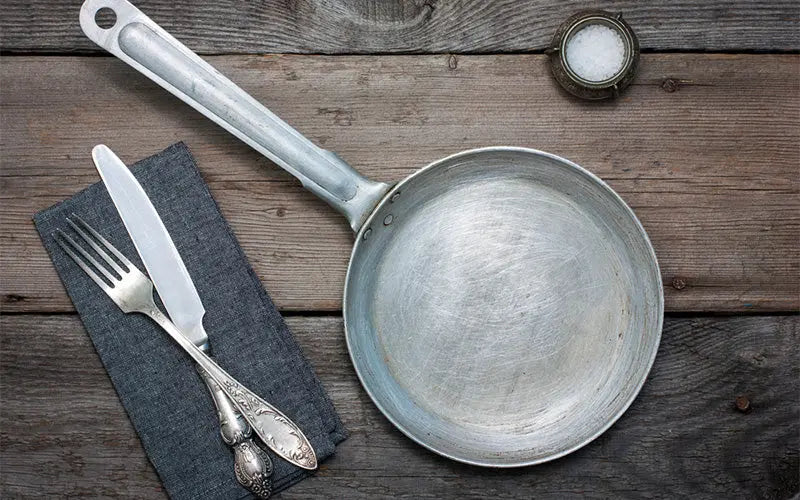
Anodized aluminum stands out because the oxide layer is intentionally thickened and hardened through an electrochemical process. That makes it stable, nonreactive, and a safer choice for acidic dishes. Most very old pans are bare aluminum rather than anodized.
Credit: kitchendance.com
Environmental Impact And Recycling
Aluminum is a highly recyclable metal. If you decide to retire an old pan, don’t throw it in the trash. Most recycling programs accept aluminum cookware. Recycling aluminum uses roughly 95% less energy than producing new metal from ore. That saves resources and reduces pollution. In short: recycling old cookware is both practical and eco-friendly.
Hidden Dangers: Nonstick And Painted Aluminum Pans
Some older aluminum pans have a nonstick coating or painted finish. These can break down over time.
- Nonstick coatings: If scratched or flaking, pieces can end up in food. Early nonstick coatings sometimes contained PFOA, a chemical now banned in many places. Modern nonstick is generally safer but still needs care.
- Painted surfaces: Very old painted pans may use paints with unsafe chemicals—especially if they were made before 1978.
If a coating or paint is damaged, stop using the pan for food immediately.
How To Identify If Your Pan Is Aluminum
Not sure whether a pan is aluminum? Try these simple checks:
- Weight: Aluminum is noticeably light compared with cast iron or stainless steel.
- Color: Bare aluminum has a silvery-gray look. It is not magnetic.
- Magnet test: Aluminum is not magnetic. If a magnet sticks, the pan is not aluminum.
- Markings: Some pans are stamped “aluminum” on the bottom. Look for maker marks or labels.
How To Clean And Maintain Old Aluminum Pans
Good care makes older pans safer and longer-lasting. Here’s a routine I use:
- Wash by hand with warm water and mild dish soap.
- Dry immediately with a soft towel to prevent water spots.
- Remove stains with a paste of baking soda and water. This is gentle and effective.
- For stubborn stains, simmer water with cream of tartar in the pan, then rinse and dry.
- Never put old aluminum pans in the dishwasher—detergents can harm the surface and speed corrosion.
Myths And Facts About Aluminum Pans
There are lots of myths about aluminum pans. Let’s clear up the big ones:
- Myth: All aluminum pans cause Alzheimer’s disease.
- Fact: No strong evidence supports this. Routine use is safe for most people.
- Myth: You must throw away every scratched pan.
- Fact: Small scratches are okay. Only deep pitting or flaking coatings are a real problem.
- Myth: Aluminum ruins the taste of all foods.
- Fact: Only acidic or salty foods react enough to noticeably change flavor or color.
- Myth: You can’t use metal utensils in aluminum pans.
- Fact: You can, but be gentle to avoid heavy scratching.
- Myth: You must toss all old pans immediately.
- Fact: Well-cared-for pans can last decades and remain safe.
Real-life Example: Using An Old Aluminum Pan
Picture this: you find a clean, well-used aluminum frying pan at your grandmother’s house. Inside it looks dull but has no deep pits or cracks. You want to make scrambled eggs. Here’s what I’d do:
- Wash the pan gently with mild soap and a soft sponge.
- Dry it completely.
- Add a little oil and heat the pan over medium.
- Cook the eggs; they turn out fluffy and fine.
- Wash and dry the pan after use.
In this case the pan is safe for eggs. For a long-simmered tomato sauce, I’d switch to stainless steel or anodized cookware.

Credit: www.reddit.com
How Long Do Aluminum Pans Last?
With good care, aluminum pans can last many years. Some families still use the same pans for decades. Still, heavy use, acidic cooking, and harsh cleaning wear them out faster.
If you use a pan daily, expect it to show major wear in roughly 5–10 years. Pans used only for baking or occasional frying often last much longer.
Non-obvious Insights About Old Aluminum Pans
Here are a few practical points most beginners miss:
- The oxide layer protects the pan. Don’t polish it to a mirror shine—this removes the protective film.
- Many old pans weren’t designed for acidic foods. Use another pan for long-simmered tomatoes or vinegar-based dishes.
- Aluminum is a poor choice for food storage. Don’t store leftovers in an aluminum pan, especially acidic or salty foods. The longer food sits, the more metal can leach in.
- Recycling aluminum is straightforward and valuable. Don’t trash pans; recycling conserves energy and resources.
What Experts Say
Most food-safety experts agree: old aluminum pans are safe for most everyday cooking if they aren’t badly damaged. Issues mainly arise with long contact between acidic or salty foods and uncoated aluminum, or when pans are pitted or have peeling coatings.
If you want more detail on aluminum and health, visit the World Health Organization’s aluminum fact sheet.
Frequently Asked Questions
Can I Use Old Aluminum Pans For Baking?
Yes. Old aluminum pans are fine for baking cakes, bread, or cookies. Those foods are low in acid and don’t react much with aluminum. Just confirm the pan isn’t warped or corroded.
Are Black Or Gray Spots Inside My Pan A Problem?
No. Black or gray spots are typically the aluminum oxide layer. That layer is normal and protective. Only worry if you see deep pits, white powdery corrosion, or flaking coatings.
Is It Safe To Cook For Children In Old Aluminum Pans?
For most non-acidic foods, yes. But avoid using old bare aluminum pans for acidic dishes when cooking for babies and young children. Their systems are more sensitive to metals.
Can I Put Old Aluminum Pans In The Dishwasher?
No. Dishwasher detergents can damage aluminum surfaces and remove the protective oxide. Hand wash with gentle soap and dry right away.
Should I Stop Using Aluminum Pans Because Of Health Risks?
If the pan is in good shape and you avoid cooking acidic or salty foods in it, you don’t need to stop using it. If it’s badly pitted, warped, thinned, or the coating is peeling, replace it. Use anodized aluminum or stainless steel if you want a worry-free option for all foods.
If you care for your old aluminum pans and cook the right foods in them, they can stay safe and useful. Know when to use them, how to clean them, and when it’s time to let them go. Follow these tips and you can enjoy classic cookware without worry.

Credit: www.reddit.com
Quick Safety Checklist (Use Before Cooking)
- Inspect for deep pits, holes, or heavy erosion. If present, retire the pan.
- Check for loose handles, rivets, or warped bottoms.
- Confirm coating is intact. If it flakes, stop using the pan for food.
- Decide what you’ll cook: use bare aluminum only for low-acid recipes.
- Wash and dry the pan; restore the oxide layer if it looks bright and shiny.
Practical Buying and Replacement Tips
When replacing or adding pans, consider these options:
- Anodized aluminum: Less reactive, lighter than steel, and good for everyday cooking.
- Stainless steel: Durable and nonreactive—my favorite for sauces and acidic foods.
- Cast iron: Excellent for searing and long life if you maintain the seasoning.
- Nonstick: Great for eggs and delicate foods—avoid overheating and replace if coating is damaged.
In my kitchen, I use a mix: stainless steel for sauces, cast iron for steaks, and a nonstick pan for eggs. An old aluminum pan still sits in the cupboard for quick tasks, but I don’t use it for tomato sauce.