How To Clean Cooktop Ceramic Glass: Easy Shine Guide

The safest way to clean ceramic glass cooktops is with gentle tools, a soft cloth, and a nonabrasive cleaner.
Keeping a cooktop ceramic glass surface spotless is not just about looks. It helps prevent burnt-on messes, protects the smooth finish, and keeps your stove working and shining the way it should. I’ve cleaned a lot of glass cooktops over the years, and the biggest lesson is simple: the right method matters more than scrubbing hard.
Why ceramic glass cooktops need special care
A ceramic glass cooktop looks tough, but the surface can scratch, streak, or dull if you use the wrong product. Unlike metal grates or coil burners, this surface needs a softer touch and cleaner ingredients. That is why learning how to clean cooktop ceramic glass the right way can save you time and prevent damage.
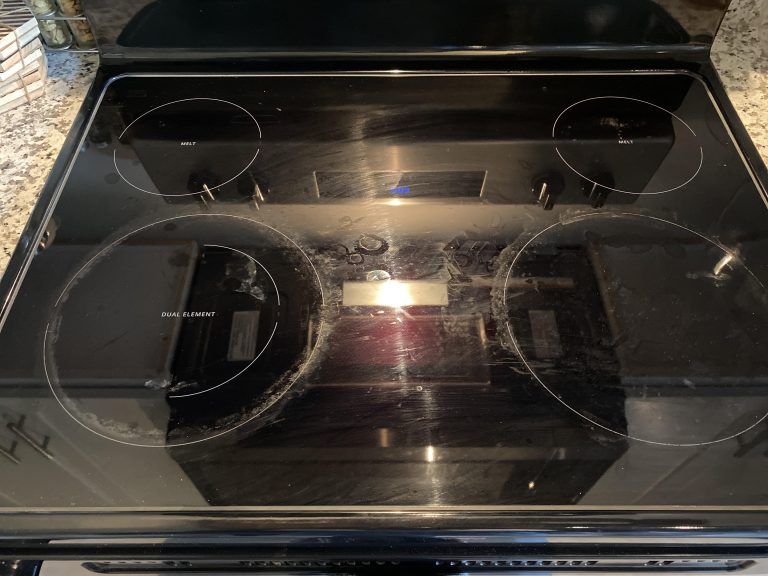
Food spills, sugar drips, hard water spots, and greasy film are the most common problems. If you let them sit, they can bake onto the surface and become much harder to remove. In my experience, a few minutes of care after cooking is easier than a long cleanup later.
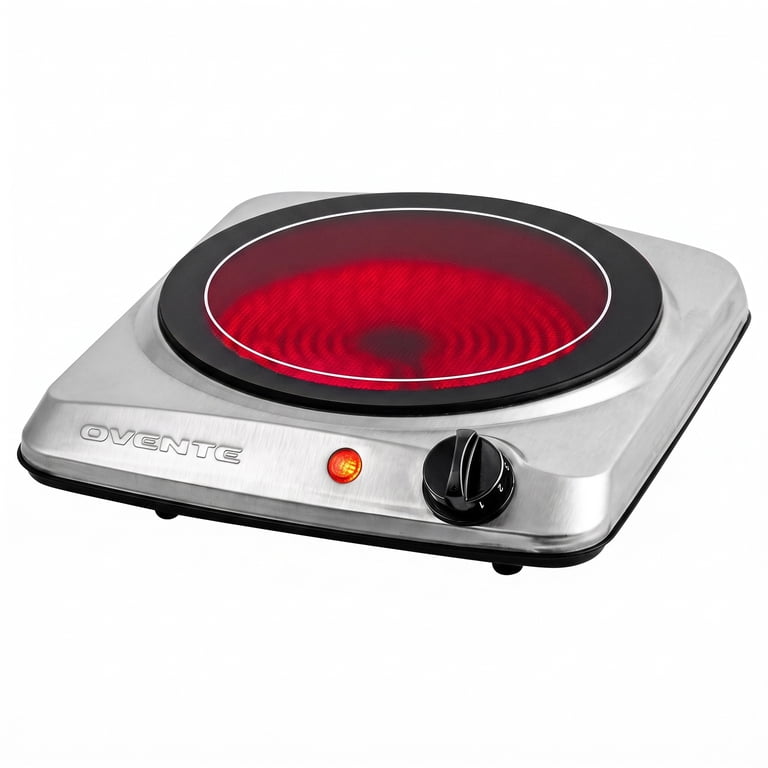
What you need before you start
You do not need a big toolkit to clean a ceramic glass cooktop. In fact, simple tools are often the best choice because they lower the risk of scratching.
Here is a good basic cleaning kit:
• Soft microfiber cloths
• Nonabrasive sponge
• Razor scraper made for glass cooktops
• White vinegar
• Dish soap
• Baking soda
• Cooktop cleaner made for ceramic glass
• Spray bottle with warm water
I always keep a dry microfiber cloth nearby too. That final wipe makes a big difference because it removes streaks and gives the surface a clean shine.
How to clean cooktop ceramic glass step by step
Cleaning a ceramic glass cooktop is easiest when you follow a calm, careful process. Think of it like wiping a camera lens. Gentle pressure and the right cleaner do the job better than force.
1. Let the surface cool completely
Never clean a hot cooktop. Even if the spill looks urgent, wait until the surface is fully cool to the touch. This protects your hands and helps you avoid smearing melted residue around.
2. Remove loose crumbs and debris
Use a dry microfiber cloth or soft paper towel to lift crumbs, dust, and dry bits. This keeps small particles from acting like sandpaper while you clean. I learned this the hard way after dragging a crumb across the glass and noticing a tiny mark later.
3. Wipe with warm water and mild soap
Mix a few drops of dish soap with warm water. Dampen a soft cloth or nonabrasive sponge and wipe the whole surface. This removes light grease and fresh spills without being harsh on the ceramic glass.
4. Treat stuck-on spots with a cooktop cleaner
For baked-on residue, apply a cleaner made for ceramic glass cooktops. Spread it with a soft cloth and let it sit for the time listed on the label. These formulas are made to break down tough spots without scratching the surface.
5. Use a razor scraper for stubborn buildup
If food is burned onto the glass, use a cooktop scraper at a low angle. Keep the blade flat and move slowly. The goal is to lift the mess, not gouge the surface.
6. Remove haze and streaks
Spray a little white vinegar or wipe with a clean damp cloth to remove cleaner residue. Then dry the surface with a microfiber towel. This step gives the cooktop that smooth, glossy finish people love.
7. Buff for a polished look
If you want extra shine, use a fresh dry cloth and buff in small circles. This helps remove any last streaks and makes the cooktop look freshly maintained. It is a small step, but it changes the whole look.

Best methods for different types of messes
Not every spill behaves the same. Knowing how to match the cleaning method to the mess makes the job faster and safer.
Fresh spills
Fresh spills are easiest to remove. Once the surface is cool, wipe them with warm soapy water and a soft cloth. If you clean them right away, they usually never become a problem.
Greasy film
Grease leaves a cloudy layer that can make the glass look dull. A mix of dish soap and warm water often works well, but vinegar can help with the final wipe. I have found that greasy film responds best when you avoid using too much cleaner at once.
Burned-on sugar or syrup
Sugar is one of the most urgent messes on ceramic glass. If it cools and hardens, it can bond tightly to the surface and become difficult to lift. Use a scraper carefully, following the cooktop maker’s directions, and do not let sugar sit too long.
Hard water spots
Hard water can leave mineral marks that look like fog or white rings. White vinegar is helpful here because it can cut through mineral buildup. Wipe, dry, and buff for a clearer finish.
Dark burnt marks
Dark spots from boil-overs or pans can look scary, but many are removable. A cooktop cleaner plus a scraper often works best. If the mark does not disappear fully, it may be permanent discoloration rather than dirt.
What not to use on ceramic glass
One of the biggest mistakes is using a product that is too rough. Ceramic glass is durable, but it is not built for harsh abrasion.
Avoid these:
• Steel wool
• Rough scrub pads
• Abrasive powder cleaners
• Bleach on a regular basis
• Oven cleaner unless the manufacturer says it is safe
• Sharp knives or metal tools
A friend once tried to “fix” a stain with a green scrub pad and ended up with fine scratches that caught the light every time the kitchen window hit the stove. That is the kind of damage that is hard to undo, so gentle cleaning is always the smarter route.
How often should you clean cooktop ceramic glass?
The best habit is to wipe the surface after each use once it has cooled. A quick daily cleanup prevents buildup and keeps the surface looking fresh. For deeper cleaning, once a week is often enough for most households.
If you cook often, especially with sauces or sugary foods, you may need to clean it more often. Busy kitchens tend to collect splatter faster than people expect. Regular care is the easiest way to keep cooktop ceramic glass in good shape.
How to keep the surface looking new longer
Good maintenance saves effort later. The more consistent you are, the less likely you are to face heavy buildup.
Try these habits:
• Wipe spills as soon as the cooktop cools
• Use flat-bottom pans that sit evenly
• Lift pans instead of sliding them
• Avoid dragging cast iron across the surface
• Check the bottoms of pots for grit before cooking
• Use cleaner made for ceramic glass, not generic harsh sprays
These small habits protect the finish and reduce the chance of scratches. I think of it like caring for eyeglasses: the cleaner and gentler your routine, the clearer everything stays.
Common mistakes people make
Even careful home cooks make a few common errors. The good news is that most of them are easy to avoid once you know what to watch for.
• Cleaning while the surface is still hot
• Using too much product, which leaves streaks
• Scrubbing with a rough sponge
• Letting spills sit for hours or days
• Using the wrong scraper angle
• Ignoring tiny crumbs before wiping
The most important lesson I have learned is that speed matters with sticky spills, but patience matters with cleaning. Rushing often causes more harm than the stain itself.
When a stain may not come out
Sometimes a mark is not dirt at all. It may be pitting, etching, or permanent discoloration from heat or chemical exposure. If you have tried safe cleaning methods and the spot remains, the issue may be cosmetic damage rather than residue.
That is where honesty matters. No cleaner can reverse every type of surface change. If you are unsure, check the appliance manual or contact the manufacturer before using anything stronger.
Frequently Asked Questions of How to Clean Cooktop Ceramic Glass
What is the best cleaner for ceramic glass cooktops?
A cleaner made specifically for ceramic glass cooktops is usually the safest choice. It is designed to remove grease and burned residue without scratching the surface.
Can I use vinegar on a ceramic glass cooktop?
Yes, white vinegar is safe for light cleaning and for removing streaks or hard water spots. It works best as a follow-up wipe after you remove the main mess.
How do I remove burnt-on food from ceramic glass?
Let the cooktop cool, apply a cooktop cleaner, and use a razor scraper made for glass cooktops at a low angle. Work slowly so you lift the residue without scratching the surface.
Is baking soda safe for ceramic glass?
Yes, baking soda can be useful as a gentle cleaner when mixed with water into a soft paste. Use light pressure and a nonabrasive cloth so you do not damage the finish.
Why does my ceramic glass cooktop look cloudy?
Cloudiness often comes from cleaner residue, grease film, or hard water marks. A damp cloth, followed by a dry microfiber buff, usually clears it up.
How can I prevent scratches on my ceramic glass cooktop?
Keep the surface free of crumbs, lift pans instead of sliding them, and avoid abrasive tools. Using flat-bottom cookware and regular gentle cleaning also helps a lot.
Conclusion
Keeping ceramic glass clean is mostly about routine, gentle tools, and the right method for each spill. Once you know how to clean cooktop ceramic glass properly, the process becomes simple, quick, and far less stressful. A few careful habits can protect the surface, improve the look of your kitchen, and make every cook feel a little easier.
If you start wiping spills right away and avoid harsh scrubbing, your cooktop will stay smoother and shine longer. Try the steps above during your next cleanup, and you will likely see the difference right away. For more home care tips like this, keep exploring, stay curious, and share your own cleaning wins or questions.