What Is A Sealed Burner On A Gas Cooktop: Easy Guide

A sealed burner on a gas cooktop keeps the burner head covered, so spills stay out of the burner box.
If you have ever lifted a burner cap and seen a smooth surface beneath it, you have likely used a sealed burner. This design is common on modern gas cooktops because it makes cleanup easier, supports steady cooking, and helps keep food debris away from the gas ports. Understanding what is a sealed burner on a gas cooktop can help you choose the right appliance and care for it safely.

What Is a Sealed Burner on a Gas Cooktop?
A sealed burner on a gas cooktop is a burner system designed with a sealed connection between the burner base and the cooktop surface. The burner does not sit inside a deep, open bowl. Instead, the burner base and cooktop form a mostly closed surface around the gas flame.
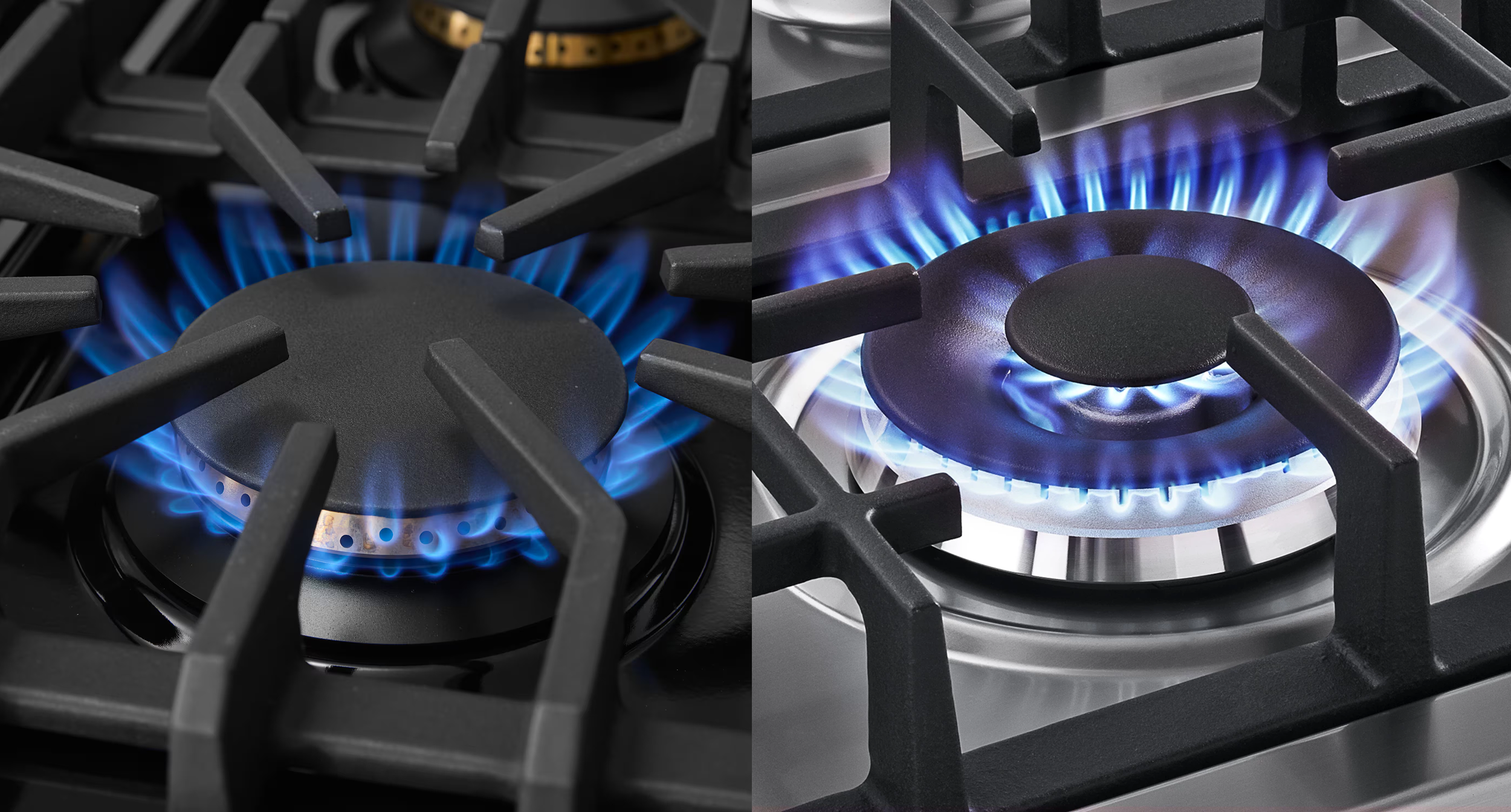
Gas flows through small openings called ports around the burner head. When you turn the control knob, the gas mixes with air and moves through these ports. An igniter then lights the mixture, creating the blue flame used for cooking.
The word “sealed” does not mean the burner is completely airtight. It means the area below the burner is sealed or protected from most food spills and debris. Small openings still allow gas and air to move as the burner operates.
A sealed burner on a gas cooktop usually includes these parts:
• Burner base: Supports the burner and helps direct the gas and air mixture.
• Burner head: Contains the flame ports where gas exits.
• Burner cap: Sits on top and spreads the flame around the cookware.
• Igniter: Creates the spark that lights the gas.
• Control valve: Regulates the amount of gas reaching the burner.
• Drip area: Catches some spills and helps protect the cooktop surface.
The exact design varies by brand and model. Always check the appliance manual before removing parts or cleaning around the burner.
How Does a Sealed Gas Burner Work?
A sealed burner on a gas cooktop works through controlled gas flow, air mixing, ignition, and flame distribution. Turning the knob opens a valve. Gas then travels toward the burner, where it mixes with air before reaching the flame ports.
The igniter produces a spark near the burner head. The gas and air mixture catches fire, and the flame travels around the ring of ports. The burner cap helps spread the flame evenly across the bottom of a pan.
A healthy gas flame is usually blue and steady. A small amount of yellow at the tips may appear during normal use, but a large yellow or orange flame can signal dirt, poor air mixing, or another problem.
The burner should light within a few seconds after you turn the knob. If gas flows without ignition, turn the control off and wait before trying again. If the burner repeatedly clicks, burns unevenly, or produces unusual flames, stop using it until you identify the cause.
Sealed Burners vs. Open Burners
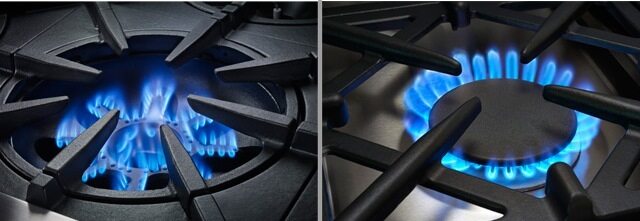
The main difference between sealed and open burners is the space beneath the burner head. On an open burner, the burner sits above a deeper bowl or cavity. Spills can move into that area and may reach the burner tube or other parts.
With a sealed burner on a gas cooktop, the burner base connects more closely with the cooktop surface. This helps block spills from reaching the internal gas components. It also gives the cooktop a flatter appearance.
Here is a simple comparison:
| Feature | Sealed burner | Open burner |
|---|---|---|
| Burner area | Closed or protected around the base | More open beneath the burner |
| Spill control | Better protection from many spills | Spills can enter the burner cavity |
| Cleaning | Usually easier for daily care | May require deeper cleaning |
| Heat response | Fast and direct | Fast and direct |
| Professional use | Common in many home cooktops | Common in some commercial-style ranges |
| Flame access | Burner ports are easy to reach | Burner parts may be more exposed |
Neither design is perfect for every cook. A sealed burner often suits home kitchens because it is simple to clean. An open burner may appeal to cooks who want strong heat and easy access to burner components, but it may demand more careful cleaning.
Benefits of a Sealed Burner on a Gas Cooktop
A sealed burner on a gas cooktop offers several practical benefits. These advantages explain why the design is common in apartments, family kitchens, and many high-end home appliances.
Easier cleanup
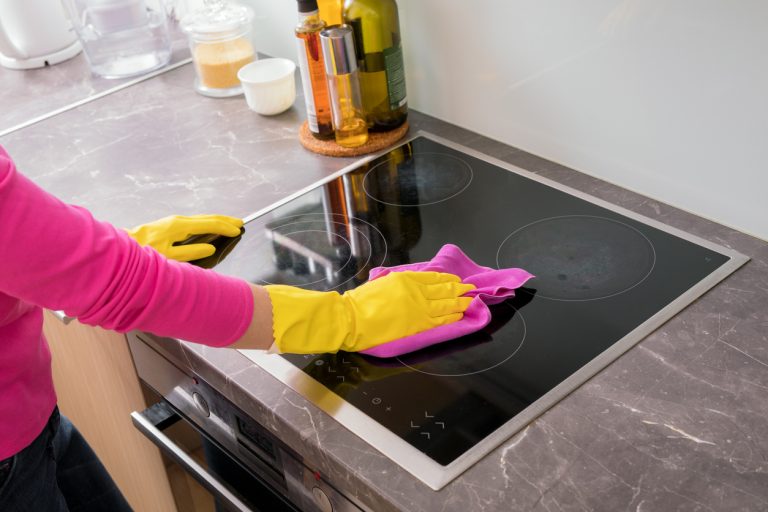
Food spills are less likely to fall deep inside the cooktop. You can often wipe the surface with a soft cloth after the cooktop cools.
This does not mean spills can never cause trouble. Sugary sauces, grease, and wet food can still block burner ports or stick around the burner cap. Quick cleanup remains important.
Better protection from spills
The sealed area helps protect internal burner parts from soup, pasta water, milk, and cooking oil. This can reduce the amount of food residue near the gas tube and igniter.
Think of the seal as a lid over a small mechanical space. It does not stop every drop, but it gives the burner an extra layer of protection.
A neat, modern appearance
Many sealed gas cooktops have a smooth surface with a clean layout. The burner caps and grates sit above the cooktop, while the area around them remains fairly flat.
This design can fit well in kitchens where appearance matters. It also makes routine wiping less frustrating than cleaning a deep burner basin.
Reliable everyday performance
A properly maintained sealed burner on a gas cooktop can provide fast heat and precise control. Gas responds almost at once when you turn the knob up or down.
The sealed design itself does not always mean more heat. Heat output depends on the burner size, gas pressure, burner design, and the appliance’s British thermal unit rating.
Reduced access to internal parts
Children and curious pets may have less access to the burner’s internal area. The burner still requires supervision, but its protected layout can limit contact with small parts and residue.
Never treat a sealed burner as childproof. The grates, caps, cookware, and flames can become extremely hot.
Limitations of Sealed Gas Burners
A sealed burner on a gas cooktop has clear benefits, but it also has limits. Knowing them can prevent poor cooking results and avoidable service calls.
Burner ports can clog
Small holes around the burner head control the flame. Dried food, grease, or cleaning product can block these ports.
A blocked port may cause a weak flame, uneven heating, delayed ignition, or clicking. Clean the burner only as directed by the manufacturer. Do not enlarge the holes with a needle or metal tool.
Parts must be placed correctly
The burner cap must sit flat and in the correct position. If it is crooked, the flame may burn unevenly or move toward the side of the burner.
After cleaning, let the parts dry fully. Water under the cap can cause sputtering and may make ignition unreliable.
Spills can still create problems
The word “sealed” may give the impression that spills do not matter. In reality, liquid can still reach the burner ports, igniter, or spaces around the burner base.
Wipe spills as soon as it is safe. If a large amount of liquid enters the cooktop, turn off the burner and follow the appliance manual.
Some burners need more care than expected
A sealed burner on a gas cooktop is easier to maintain, not maintenance-free. Grease can collect under the cap, and the igniter can become dirty.
A few minutes of gentle cleaning each week can prevent many common issues. Harsh scouring pads may damage the finish or remove markings from the cooktop.
How to Clean a Sealed Burner
Cleaning a sealed burner on a gas cooktop is usually simple, but safety comes first. Turn off all burner controls and wait until the cooktop is fully cool.
Follow these steps:
-
Remove the grates and burner caps if the manual allows it.
-
Wipe loose crumbs and spills with a soft, damp cloth.
-
Wash removable burner caps with warm water and mild dish soap.
-
Use a soft brush to clear residue from the burner ports.
-
Wipe around the burner base without flooding the area.
-
Clean the igniter gently with a dry or slightly damp cloth.
-
Rinse soap residue from removable parts.
-
Dry every part completely.
-
Reinstall the burner caps and grates in their correct positions.
-
Test the flame after assembly.
Do not soak electrical igniters or place burner parts in a dishwasher unless the manufacturer approves it. Do not spray cleaner directly into the burner openings.
Avoid these common mistakes:
• Using a toothpick, pin, or wire to force open burner ports.
• Scraping the burner with a knife.
• Pouring water into the burner area.
• Reinstalling wet burner caps.
• Using oven cleaner on the cooktop.
• Ignoring a gas smell or a flame that remains yellow.
A practical lesson is that gentle cleaning works better than aggressive cleaning. Many burner problems come from damaged ports, wet parts, or caps that were put back slightly off center.

Common Problems and Simple Checks
When a sealed burner on a gas cooktop does not work correctly, the cause is often simple. Start with basic checks before assuming the gas valve or burner assembly has failed.
The burner will not ignite
Check that the control knob is turned to the correct position and that the cooktop has power if it uses electronic ignition. Listen for the clicking sound and look for a spark.
If you smell gas but see no flame, turn the control off. Open a window if safe, avoid switches or open flames, and contact a qualified professional if the odor continues.
The burner clicks but does not light
Moisture around the igniter is a common cause. Turn the burner off and let the area dry fully.
Food residue can also interfere with the spark. Clean gently and check that the burner cap is correctly positioned.
The flame is uneven
An uneven flame often means one or more ports are blocked. It can also result from a cap that is not seated correctly.
Allow the burner to cool, then clean and reinstall the parts. If the flame remains uneven, have the appliance inspected.
The flame is yellow or orange
A large yellow or orange flame may indicate incomplete combustion. Dirt, poor air supply, or a gas pressure problem can cause this condition.
Turn off the burner and seek professional help if cleaning does not correct it. Proper combustion matters because gas appliances must burn fuel safely.
The flame goes out
A flame may go out if a strong draft reaches the burner or if liquid boils over. A damaged burner component or gas supply issue can also cause repeated flame failure.
Do not keep relighting a burner that will not stay lit. Follow the user manual and arrange service when needed.
Does a Sealed Burner Affect Cooking Performance?
A sealed burner on a gas cooktop does not automatically cook better or worse than an open burner. Performance depends on the complete burner system, including the burner shape, flame pattern, heat rating, grate design, and control valve.
A high-output burner can boil water quickly. A small simmer burner can provide gentle heat for sauces or melted chocolate. Some cooktops include dual-ring burners that offer both a wide flame and a low simmer setting.
Pan placement also matters. Center the cookware over the burner and use a flat, stable pan. If the flame extends far beyond the pan base, lower the heat because excess flame can waste gas and heat the handles.
For best results:
• Match the pan size to the burner.
• Keep the flame under the pan rather than around its sides.
• Use heavy pans for steady heat.
• Lower the flame once food reaches a boil.
• Keep burner ports clean.
• Use the right burner for the task.
A sealed burner on a gas cooktop can support excellent cooking control when the burner is clean and the cookware is used correctly.

Safety Tips for Using a Sealed Gas Cooktop
Gas cooking requires attention because the appliance uses an open flame and combustible fuel. Keep the area around the cooktop clear of towels, paper, plastic, and other items that can catch fire.
Use these safety habits:
• Never leave a lit burner unattended.
• Turn the knob off when cooking is finished.
• Keep pot handles turned away from the edge.
• Use ventilation when cooking, especially with several burners.
• Do not cover the cooktop with foil unless the manual specifically permits it.
• Keep children away from hot grates and cookware.
• Have gas connections and repairs handled by qualified professionals.
• Install and maintain carbon monoxide alarms as recommended for your home.
If you smell gas, do not light a match, operate an electrical switch, or use a phone near the odor. Leave the area if necessary and contact your local gas utility or emergency service from a safe location.
A sealed burner helps contain spills, but it does not remove the risks of gas, heat, or open flames. Safe habits remain essential.
What to Consider Before Buying One
If you are comparing gas cooktops, look beyond the label “sealed burner.” Study the full design and consider how you cook each day.
Look for:
• Burner heat ratings that match your cooking needs.
• A strong, stable grate system.
• Burner caps that are easy to remove and replace.
• Clear control markings.
• Reliable electronic ignition.
• A useful simmer setting.
• Smooth surfaces that are simple to wipe.
• Replacement parts that are easy to find.
• A warranty with clear service terms.
Read the owner’s manual before buying when possible. It can reveal whether the grates are dishwasher-safe, how the burner ports should be cleaned, and what type of cookware the manufacturer recommends.
A sealed burner on a gas cooktop is often a good choice for busy households. However, cooks who frequently use very large pans or want a commercial-style open burner may prefer a different design.
Frequently Asked Questions About What Is a Sealed Burner on a Gas Cooktop
What is a sealed burner on a gas cooktop?
A sealed burner on a gas cooktop has a protected burner base that connects closely with the cooktop surface. This design helps keep many spills and food particles away from the internal burner area.
Are sealed gas burners better than open burners?
Sealed burners are often easier to clean and well suited to home kitchens. Open burners may offer easier access to internal parts, but they can allow spills to enter a deeper burner cavity.
Can you remove the burner cap from a sealed burner?
Most sealed cooktops have removable burner caps for cleaning. Remove them only when the cooktop is cool, and follow the appliance manual to avoid damaging the burner or igniter.
Why is my sealed burner flame uneven?
An uneven flame often comes from clogged burner ports, moisture, or a burner cap that is not seated correctly. Clean and dry the parts, then reinstall them carefully.
Why does my sealed gas burner keep clicking?
Repeated clicking can result from moisture, food residue, a misaligned burner cap, or an ignition problem. Turn the burner off, let it dry, and contact a qualified technician if the clicking continues.
Do sealed burners use less gas?
A sealed design does not automatically use less gas. Gas use depends mainly on the burner’s heat rating, cooking time, flame level, and how efficiently the cookware uses the heat.
Can a sealed burner handle a boil-over?
It can help limit where the spill travels, but it cannot prevent all damage or block every liquid spill. Turn the burner off, let the area cool, and clean the burner parts before using it again.
Conclusion
A sealed burner on a gas cooktop is a protected burner design that keeps the burner base closer to the cooking surface and helps limit the impact of spills. It offers easy daily cleaning, fast gas heat, and a neat appearance, but it still needs careful maintenance.
Clean burner ports gently, keep caps dry and correctly aligned, watch the flame color, and treat any gas odor seriously. If you are shopping for a cooktop, compare burner power, simmer control, grate strength, cleaning needs, and safety features rather than choosing by appearance alone. Use this guide to make a confident choice, and share your gas cooktop experience or questions in the comments.