Is A Cooktop A Stove: Key Differences Explained

A cooktop is a type of stove, but not every stove is just a cooktop.
If you have ever shopped for a kitchen upgrade, you have probably seen the terms cooktop, stove, and range used in ways that feel a little blurry. That confusion is normal. I have seen homeowners, renters, and even appliance salespeople use the words interchangeably, but in practice, they do not always mean the same thing. Understanding the difference can help you choose the right appliance, plan your kitchen layout, and avoid an expensive mistake.

What Is a Cooktop?
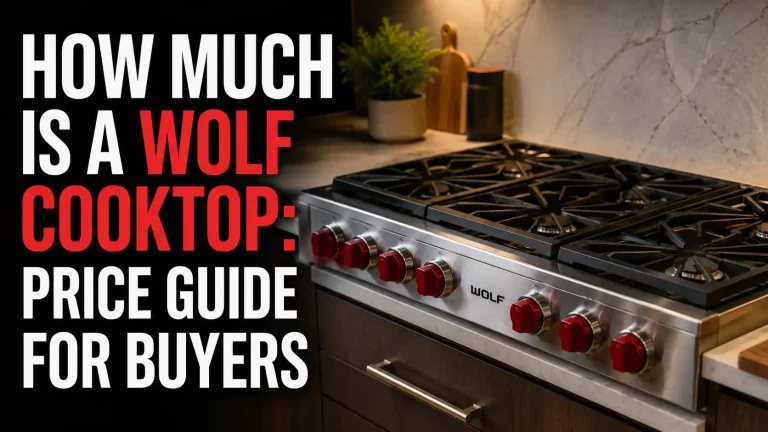
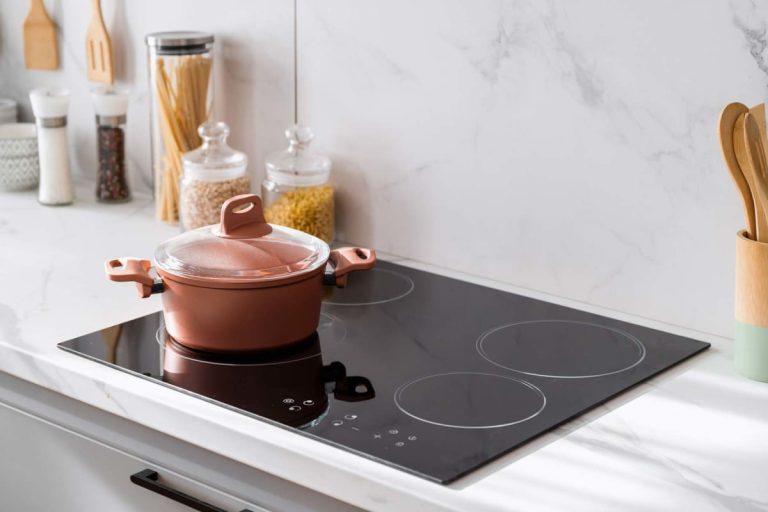
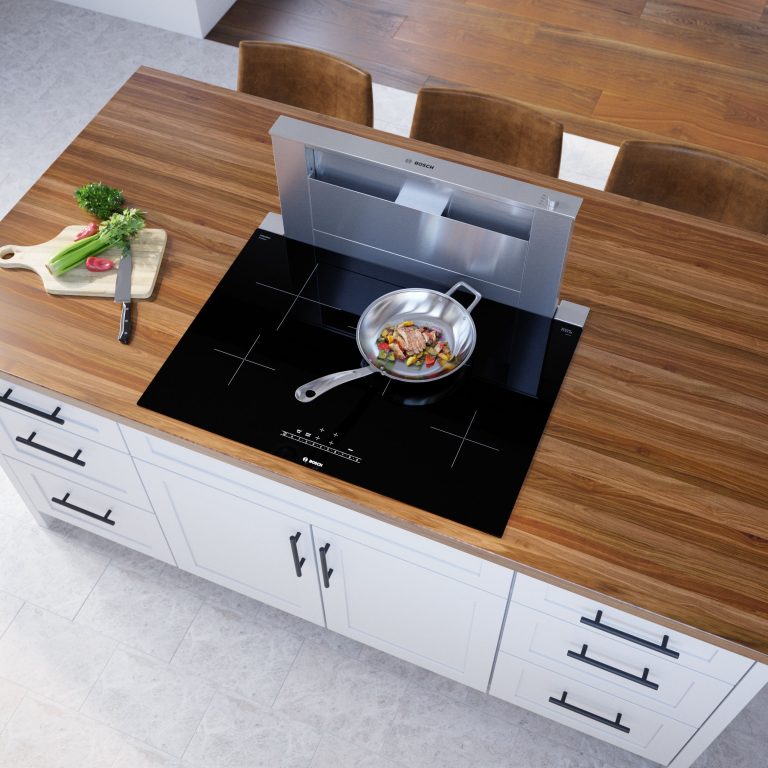
A cooktop is the flat cooking surface that sits on top of a counter or island. It usually has burners or heating zones but no oven built underneath it. Cooktops can be gas, electric, or induction, and they are made for people who want a built-in look and more design flexibility.
In everyday use, a cooktop handles the same basic job as the top part of a stove. You can boil, sauté, simmer, and fry just as you would on any other cooking surface. The key difference is that a cooktop is only the cooking top, while a full stove usually combines the top with an oven.
I have found that many homeowners choose a cooktop when they want a cleaner kitchen design or plan to place the oven somewhere else. That setup can work very well, especially in custom kitchens.
What Is a Stove?
A stove is a broad term for a cooking appliance that uses heat to prepare food. In most modern American homes, people use “stove” to mean a range, which includes both a cooktop and an oven in one unit. That is why the question “Is a cooktop a stove?” gets confusing fast.
Traditionally, “stove” could refer to a wood stove, a gas stove, or any appliance that produces heat for cooking. Today, though, the common kitchen meaning usually points to a freestanding or slide-in range. If someone says they need a new stove, they often mean the whole appliance, not just the top.
Here is the simplest way to think about it:
- Cooktop: the top cooking surface only
- Stove or range: the cooking surface plus the oven
- Wall oven plus cooktop: separate appliances that work together as one kitchen setup
That distinction matters when you measure your space, compare prices, or read product listings.
Is a Cooktop a Stove?
Yes, a cooktop can be considered part of a stove, but it is not the same as a full stove in most modern kitchen use. A cooktop is the top section where cooking happens, while a stove usually means the complete appliance that includes an oven.
If you are being technical, a cooktop is one component of a stove or range. If you are speaking casually, many people may call it a stove anyway. In appliance stores and product specs, though, the difference is usually clear.
I learned this the hard way during a kitchen remodel consultation. A homeowner ordered a “stove” expecting a full range, but the appliance delivered was just a cooktop. The fix was easy, but the delay taught an important lesson: always confirm whether the product includes an oven.

Cooktop vs Stove vs Range: The Real Difference
The terms are often mixed together, but they do not always mean the same thing. Knowing the differences can save you from ordering the wrong appliance or planning the wrong kitchen layout.
Here is a simple breakdown:
- Cooktop: Built into the counter, no oven included
- Range: Freestanding or slide-in unit with burners on top and an oven below
- Stove: General term, often used to mean a range in the U.S.
A range is the most common “stove” people picture in a home kitchen. A cooktop, on the other hand, is usually paired with a separate wall oven. This split setup is popular in modern and high-end kitchens because it gives designers more freedom.
Some kitchens also use the terms differently depending on the region or retailer. That is why reading the product description carefully is always worth the extra minute.
Types of Cooktops
Cooktops come in several styles, and each one has its own strengths. The right choice depends on your cooking habits, kitchen design, and energy preferences.
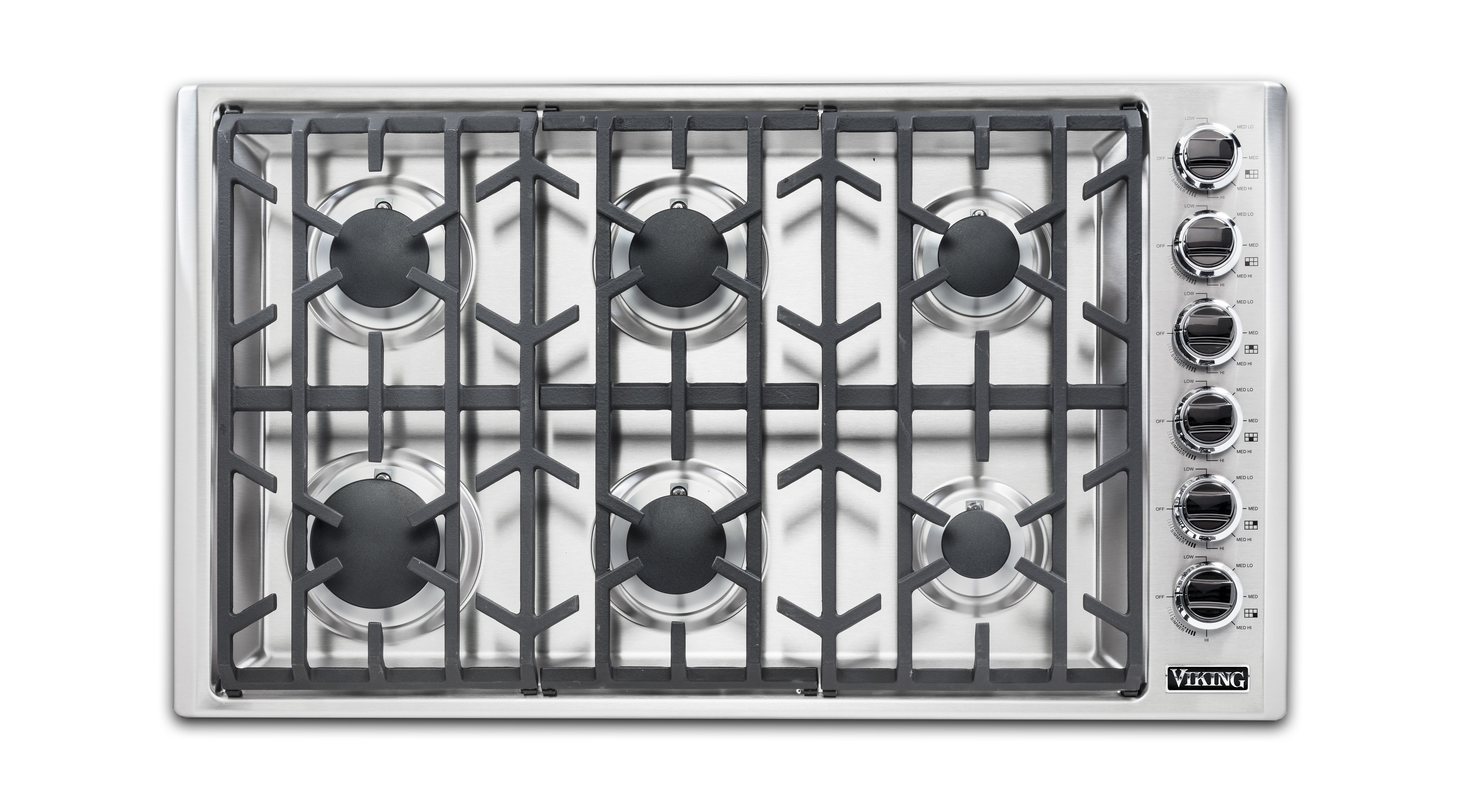
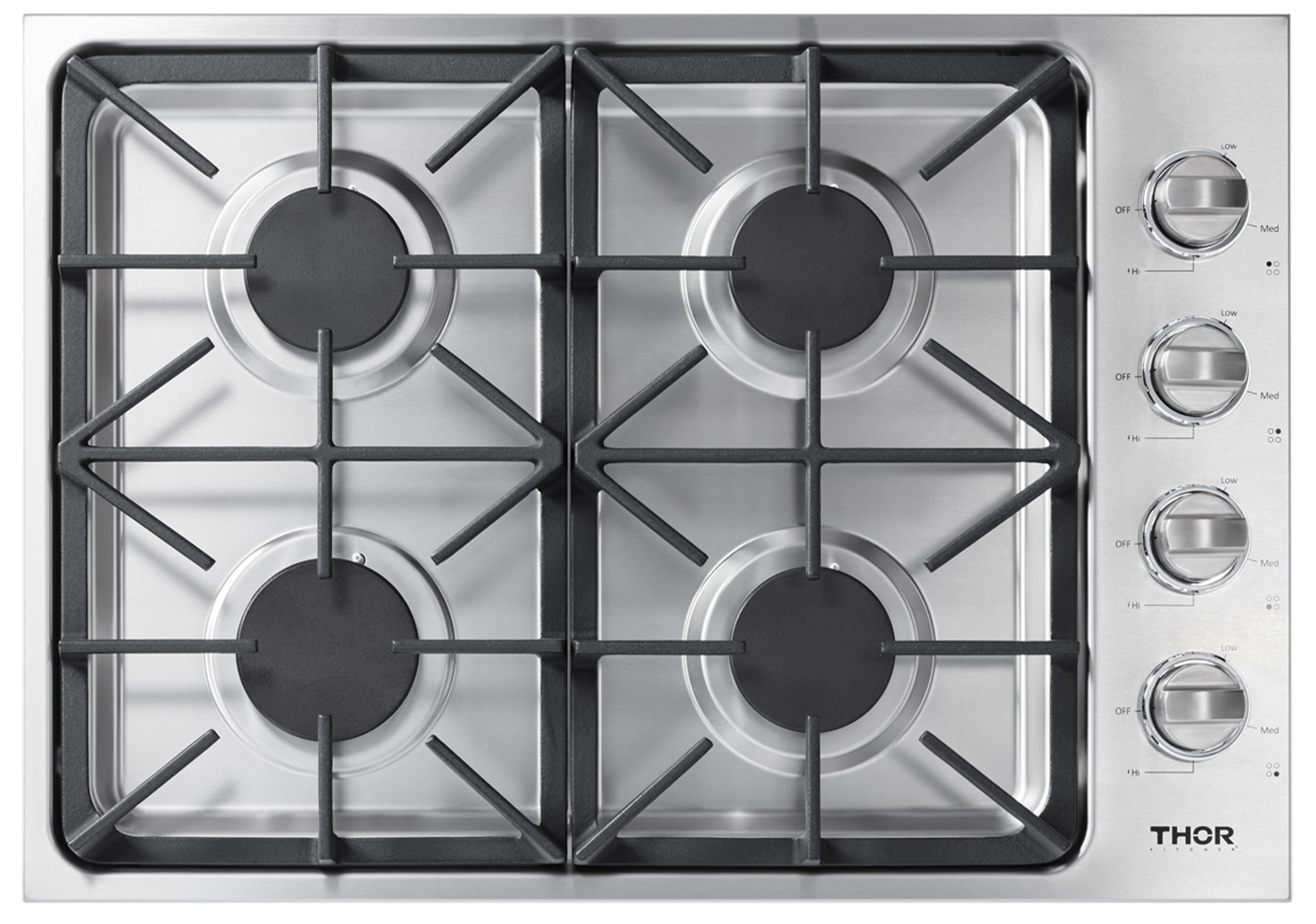
Gas cooktops
Gas cooktops use an open flame. Many home cooks like them because they offer quick heat changes and strong visual control.
Electric cooktops
Electric cooktops use heating elements under a smooth surface or exposed coils. They are often easier to clean than gas models and can be a budget-friendly choice.
Induction cooktops
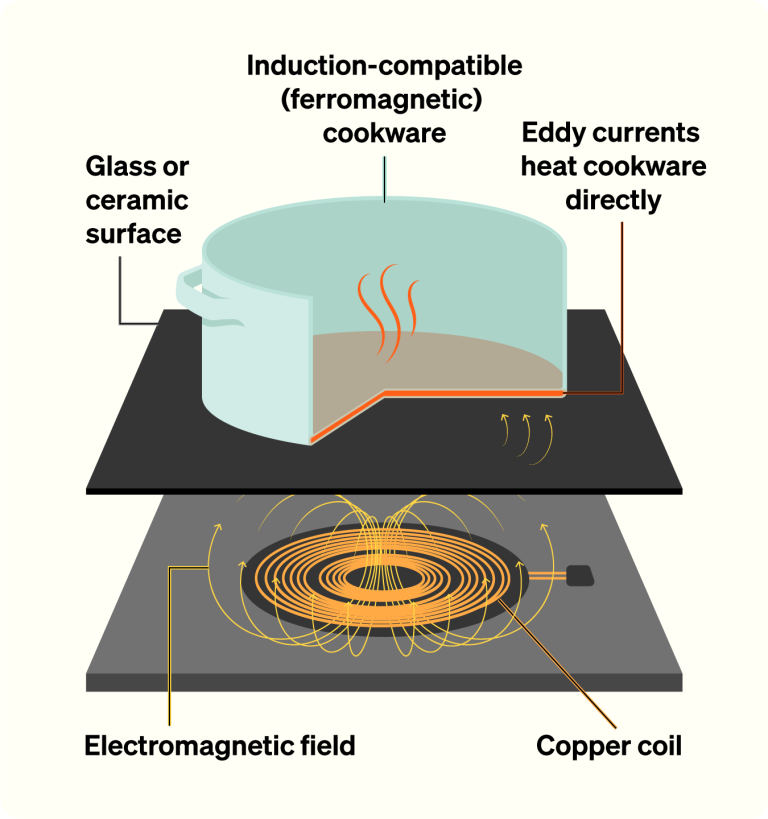
Induction cooktops use electromagnetic energy to heat the pan directly. They are fast, efficient, and very precise, but they require compatible cookware.
Downdraft cooktops
Some cooktops come with built-in ventilation or pair with downdraft systems. This can be helpful in islands or kitchens where overhead venting is difficult.
A practical tip from experience: think about how you cook most often. If you need fast response times, gas or induction may suit you better. If you want simpler cleanup, a smooth electric or induction surface may be the better fit.
When a Cooktop Makes More Sense Than a Stove
A cooktop is not better for everyone, but in some homes it is the smarter choice. If you already have a wall oven, or want one, a cooktop lets you split the appliances and place them where they work best.
A cooktop may make sense if you:
- Want a custom kitchen layout
- Need more storage under the counter
- Prefer a separate wall oven at eye level
- Are remodeling and want a built-in look
- Cook often and want better workflow across the kitchen
One thing I have noticed is that many people like the cleaner look of a cooktop. It makes the kitchen feel more open, almost like furniture instead of machinery. That said, if you bake often, a range may be easier because everything is in one place.
Benefits of a Cooktop
Cooktops have become very popular for good reasons. They combine style, flexibility, and strong cooking performance.
Some of the biggest benefits include:
- Design flexibility: You can place the oven elsewhere and open up the kitchen layout
- Modern look: Cooktops blend well with contemporary kitchens
- Easy access: Some users find countertop cooking more convenient
- Space planning: They can free up cabinet and storage options below
- Cooking control: Gas and induction models can offer precise heat control
Another advantage is that cooktops can fit into both small and large kitchens. In a compact home, they save visual space. In a larger kitchen, they can become part of a polished, custom design.
Limitations of a Cooktop
Cooktops are not perfect, and they are not always the best fit. Before buying one, it helps to know the tradeoffs.
Common limitations include:
- No oven included: You need a separate oven if you bake or roast often
- Installation cost: A separate oven and cooktop can cost more than one range
- Extra planning: You need the right cabinet cutout, wiring, or gas line setup
- More pieces to manage: Two appliances can mean more coordination during installation
- Learning curve: Induction, in particular, may take some getting used to
I have seen buyers underestimate the total project cost. A cooktop may seem simple at first, but once you add a wall oven, trim kits, and installation, the budget can climb quickly. That is why it helps to compare the full system, not just the top appliance.
How to Choose Between a Cooktop and a Stove
The best choice depends on how you cook and how your kitchen is built. There is no universal winner here.
Ask yourself these questions:
-
Do I bake often?
If yes, a range may be more convenient. -
Do I want a modern built-in look?
If yes, a cooktop and wall oven may be a better match. -
Do I have enough space for separate appliances?
If not, a range may be simpler. -
Do I care about precision and speed?
If yes, induction or gas cooktops may stand out. -
What is my total budget?
A single range can be cheaper than buying and installing two separate appliances.
A good rule of thumb is to think about daily habits first and style second. A beautiful appliance is nice, but a setup that fits the way you cook will make you happier in the long run.
Common Mistakes People Make
The biggest mistake is assuming all cooking appliances are the same. That leads to confusion during shopping, installation, and kitchen design.
Other common mistakes include:
- Buying a cooktop when you really need a range
- Forgetting to plan for a separate oven
- Not checking gas, electric, or induction compatibility
- Measuring the cutout incorrectly
- Ignoring ventilation needs
I have also seen people focus too much on burner count and not enough on real use. Four burners may be enough for most homes, but if you cook large meals often, you may want a wider model or better burner spacing.
Cooktop Safety and Maintenance Tips
A cooktop is easy to use, but like any hot appliance, it deserves care. Good habits keep it working longer and help prevent accidents.
Helpful tips include:
- Keep burners and surfaces clean after each use
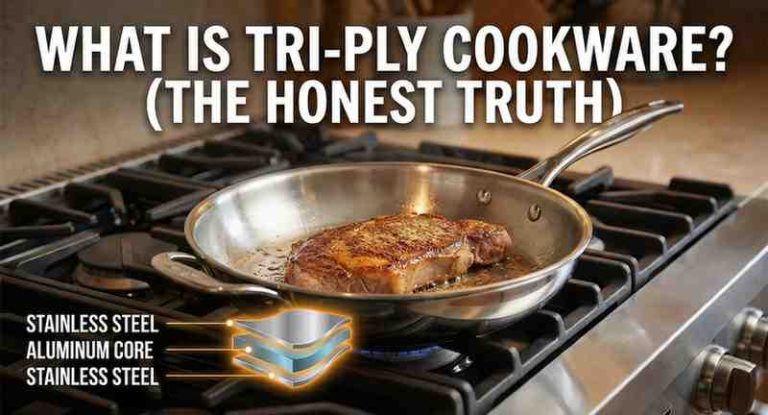
- Use cookware that matches the heat source
- Let the surface cool fully before cleaning
- Check gas connections if you smell anything unusual
- Use the right cleaner for glass, ceramic, or stainless steel surfaces
If you use induction, remember that the pan itself becomes the heat source. That means the surface may stay cooler than gas or electric coils, but it is not instantly safe to touch right after cooking. Treat every cooktop with respect, even if it looks sleek and simple.
Frequently Asked Questions of Is a Cooktop a Stove
Is a cooktop the same as a stove?
Not exactly. A cooktop is the top cooking surface only, while a stove usually means the full appliance, including the oven. In everyday speech, people sometimes use the words as if they mean the same thing.
Can a cooktop work without an oven?
Yes, a cooktop can work on its own. Many kitchens use a separate wall oven with a cooktop, which gives more layout flexibility.
Is a range a stove?
Yes, in the U.S., a range is usually what people mean when they say stove. It combines a cooktop and oven into one appliance.
Which is better, a cooktop or a stove?
It depends on your needs. A cooktop is better for custom kitchen layouts, while a stove or range is often better if you want one all-in-one appliance.
Do cooktops cost more than stoves?
Sometimes they do, especially if you also buy a separate oven. A range may be less expensive overall because it combines both functions in one unit.
Are cooktops harder to install?
They can be, depending on the type and kitchen setup. Gas lines, electrical needs, and cabinet cutouts all matter, so installation should always be planned carefully.
Conclusion
A cooktop is part of a stove, but it is not the whole thing in most modern kitchen use. If you want one appliance with burners and an oven, a range is usually the better fit. If you want more design freedom and a separate oven, a cooktop can be an excellent choice.
The best decision comes down to your cooking style, budget, and kitchen layout. Take a close look at how you actually use your kitchen, then choose the setup that makes daily life easier. If this helped clear up the difference, keep exploring appliance guides and kitchen design tips so you can make your next purchase with confidence.