How To Use Wolf Induction Cooktop: Easy Guide

You use a Wolf induction cooktop by placing induction-ready cookware on the zone, selecting power or temperature, and cooking with precise heat control.
Wolf induction cooktops are popular because they heat fast, stay responsive, and give you fine control without the open flame of gas. If you want to cook smarter, safer, and with less cleanup, learning how to use a Wolf induction cooktop well makes a real difference. I’ve spent enough time around induction cooking to know that the little details matter, and once you get them right, the experience feels almost effortless.
What Makes a Wolf Induction Cooktop Different
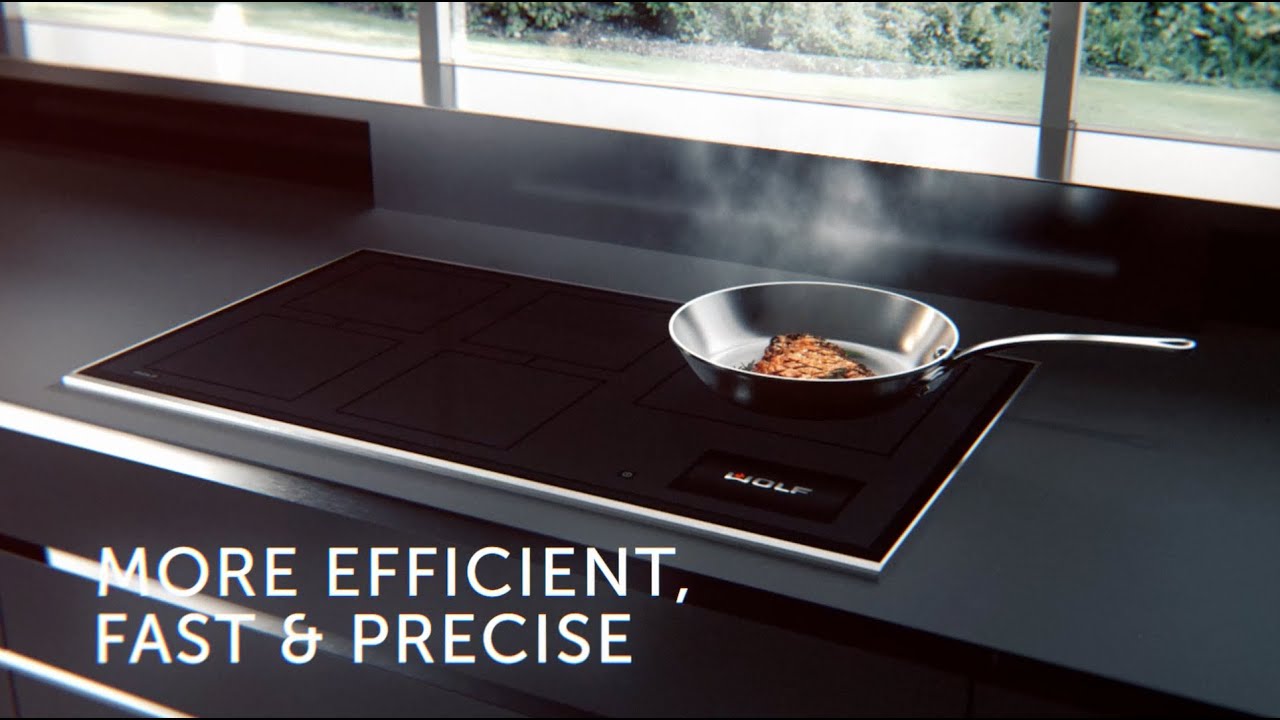
A Wolf induction cooktop works by using electromagnetic energy to heat the pan itself, not the glass surface around it. That means the cooktop stays cooler than gas or radiant electric units, and the heat changes almost instantly when you adjust the controls.
This is one reason many home cooks and pros like Wolf induction cooktops. They combine precision, speed, and a clean look that fits modern kitchens. But that same precision also means you need the right pan, the right placement, and a little practice to get the best results.

Before You Start: What You Need
Before using a Wolf induction cooktop, check a few basics so you don’t run into avoidable problems.
• Induction-compatible cookware: Use cookware with a magnetic base, like cast iron or many stainless steel pans.
• Clean cooktop surface: Wipe away crumbs, grease, and spills before cooking.
• Dry pan bottom: A wet pan can slip and may not heat evenly.
• Proper electrical setup: Wolf induction cooktops usually require a dedicated circuit, so make sure installation matches the manual.
A quick trick I’ve used many times is the magnet test. If a magnet sticks firmly to the bottom of the pan, it will usually work on induction. That simple test saves a lot of guesswork.
How to Use Wolf Induction Cooktop Step by Step
Using a Wolf induction cooktop is simple once you understand the flow. The key is to start with the cookware, then build heat gradually.
1. Place the Pan in the Right Spot
Set the pan on the cooking zone before turning the burner on. Induction works best when the pan sits centered over the zone, because the magnetic field needs direct contact with the base.
If the pan is too small, the cooktop may not detect it well. If it is too large, heating may be uneven at the edges.
2. Turn the Cooktop On
Press the power control for the zone you want to use. Many Wolf models use touch controls, and some use knobs depending on the unit style.
After activation, the display should show the selected zone and power level. If the pan is not compatible, the cooktop may flash or refuse to heat.
3. Choose Power Level or Temperature
Wolf induction cooktops usually let you cook by power level, and some models offer precise temperature settings. Start low if you are new to induction, because heat builds fast.
Here’s a simple rule I follow:
• Low settings are good for melting butter, warming sauces, or simmering.
• Medium settings work well for eggs, vegetables, and most everyday cooking.
• High settings are best for boiling water, searing, and fast stir-frying.
Think of induction like a sports car with a very sensitive pedal. It responds quickly, so small changes matter.
4. Adjust as You Cook
Once the pan is hot, lower the setting if needed. One of the best things about a Wolf induction cooktop is how quickly it reacts when you make changes.
This responsiveness helps prevent scorching. I’ve found that many first-time users overshoot the heat at the start, then spend the rest of the meal chasing the right temperature. A gentler start usually gives better control.
5. Remove the Pan and Turn It Off
When cooking is done, lift the pan off the zone and switch the burner off. The surface may stay warm from contact with the pan, so don’t treat it as fully cool right away.
Wait until the heat indicator turns off before cleaning. That small habit helps prevent burns and protects the glass surface.
Best Cookware for Wolf Induction Cooktop
Cookware choice matters more with induction than with gas. A great pan can make the cooktop feel amazing, while the wrong pan can waste time and cause uneven heating.
The best options include:
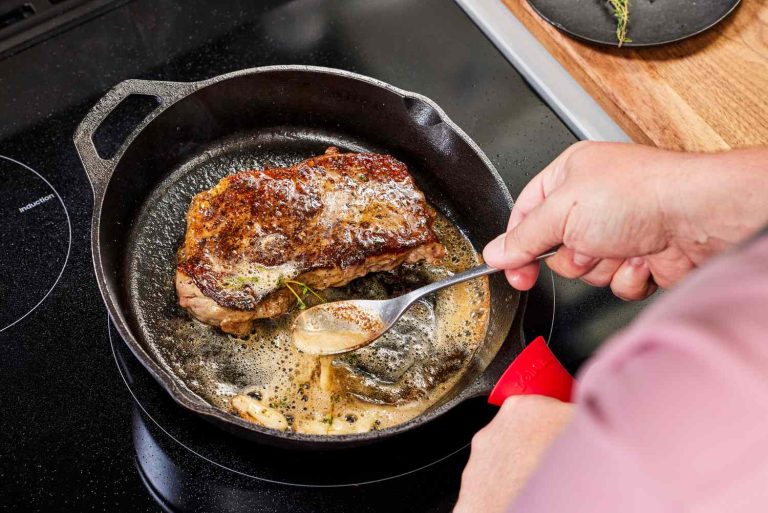
• Cast iron: Excellent heat retention, great for searing and frying.
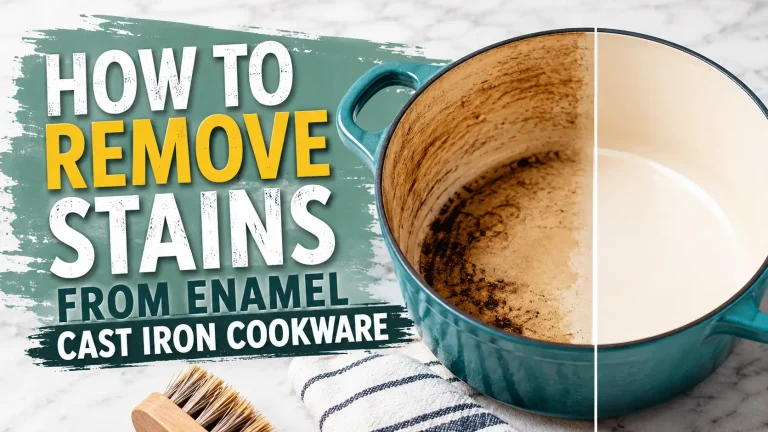
• Enameled cast iron: Works well and is easier to clean than bare cast iron.
• Magnetic stainless steel: A versatile, durable choice for daily cooking.
• Some clad cookware: Many high-quality layered pans work if the base is magnetic.
Avoid:
• Pure aluminum pans without induction-compatible bases
• Pure copper pans without magnetic bottoms
• Glass or ceramic pans that are not marked for induction
If you are unsure, flip the pan over and look for an induction symbol. Many brands print it on the base or package.
How to Get the Best Results
Once you know the basics, a few habits can make your Wolf induction cooktop perform even better.
• Preheat briefly: Induction heats fast, so you usually need less preheat time than gas.
• Match pan size to zone size: This helps heat spread more evenly.
• Use moderate heat for most tasks: High heat is powerful, but not always necessary.
• Stir liquids often: Induction can heat the bottom of a pot very quickly.
• Lift instead of slide: Sliding pans can scratch the glass over time.
One lesson I learned early was that induction rewards attention. You do not need to hover over the pan every second, but you do need to respect how fast it works. Once you adapt, the cooking feels cleaner and more controlled than many traditional setups.
Cleaning and Maintenance
Cleaning a Wolf induction cooktop is one of its biggest advantages. Since the surface does not get as hot as a gas grate, spills are less likely to bake on hard.
Follow this simple cleaning routine:
• Let the surface cool until the heat indicator turns off.
• Wipe with a soft damp cloth and mild cleaner.
• Use a nonabrasive pad for stuck-on spots if needed.
• Dry the surface to prevent streaks.
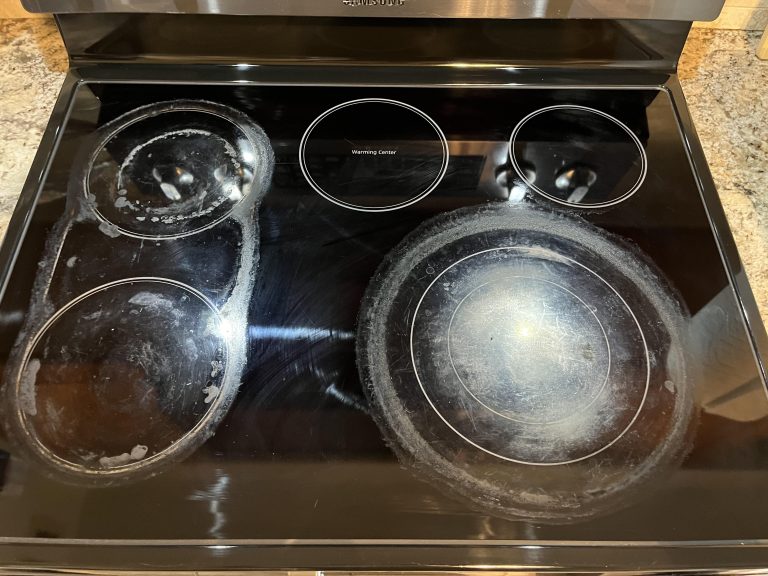
For tougher residue, many cooktop owners use a glass cooktop cleaner approved for smooth surfaces. Avoid harsh scrubbers, razor blades unless the manufacturer allows them, and abrasive powders that can damage the glass.
Safety Tips to Keep in Mind
Wolf induction cooktops are generally very safe, but safe use still matters.
• Keep metal utensils, foil, and loose metal objects away from active zones.
• Do not place empty pans on high heat for long periods.
• Keep children away from the surface when it is hot or in use.
• Watch for steam and splatter when cooking at high power.
• Make sure the ventilation above the cooktop is working properly.
A nice bonus with induction is less ambient heat in the kitchen, especially compared with gas. That can make summer cooking much more comfortable.
Common Mistakes to Avoid
Even experienced cooks make a few mistakes when they first switch to a Wolf induction cooktop.
• Using the wrong cookware: This is the most common issue.
• Starting too high: Induction heats quickly, so you can burn food fast.
• Ignoring pan size: A mismatched pan can reduce efficiency.
• Leaving spills too long: Dried spills are harder to clean later.
• Dragging cookware across the surface: Lift instead to protect the glass.
I’ve seen people blame the cooktop when the real issue was the pan. In most cases, the fix is simple once you check cookware compatibility and heating habits.
Benefits of Using a Wolf Induction Cooktop
There are several reasons home cooks choose Wolf induction cooktops over other types.
• Fast heating: Water boils faster and pans reach cooking temp quickly.
• Precise control: Heat changes almost instantly.
• Energy efficiency: More energy goes into the pan, not the room.
• Cooler kitchen: Less wasted heat makes cooking more comfortable.
• Easy cleanup: Smooth glass surface is simple to wipe down.
These benefits are not just marketing points. They are the practical reasons induction has become a favorite for people who want speed without losing control.
Limitations to Know
No appliance is perfect, and Wolf induction cooktops have a few limits worth knowing.
• You need induction-ready cookware.
• Some users need time to adjust to the fast response.
• The glass surface can scratch if handled roughly.
• Power settings may vary by model and installation.
• A power outage means no cooking, unlike gas.
These are not deal-breakers, but they are worth considering before you rely on the cooktop every day.
Helpful Cooking Tips for Everyday Meals
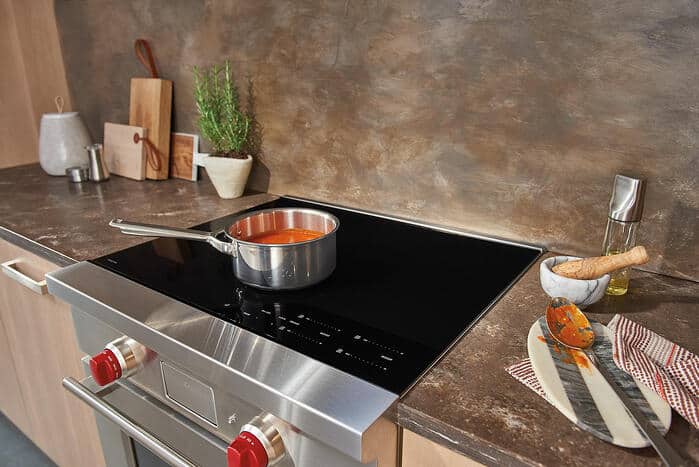
A Wolf induction cooktop can handle everything from breakfast eggs to pasta night. The trick is learning how each dish responds.
• For eggs: Use low to medium heat and gentle timing.
• For pasta: Use high heat to bring water to a boil quickly, then reduce slightly.
• For sauces: Stir often and keep heat low to avoid scorching.
• For steak: Preheat the pan well, then sear on a higher setting.
• For vegetables: Use medium heat for better control and color.
I like to think of induction cooking like driving with cruise control that reacts instantly. Once you learn the rhythm, everyday meals become smoother and more predictable.
Frequently Asked Questions of How to Use Wolf Induction Cooktop
How do I know if my pan works on a Wolf induction cooktop?
If a magnet sticks firmly to the bottom of the pan, it will usually work. You can also check the manufacturer label for an induction symbol.
Why is my Wolf induction cooktop not heating?
The most common reason is incompatible cookware. Other causes include the pan being off-center, the zone not being turned on properly, or a power issue.
Can I use cast iron on a Wolf induction cooktop?
Yes, cast iron works very well on induction. Just be careful when moving it, because it can scratch the glass if you drag it.
How do I clean stains off the glass surface?
Wait for the cooktop to cool, then wipe it with a soft cloth and a cleaner made for glass cooktops. For stubborn spots, use a nonabrasive pad and gentle pressure.
Is a Wolf induction cooktop better than gas?
It depends on your cooking style. Induction is faster, cleaner, and more precise, while gas gives some cooks a more familiar flame-based feel.
Conclusion
Learning how to use Wolf induction cooktop well is mostly about using the right cookware, choosing the right heat level, and respecting how fast it responds. Once you get comfortable with the controls, it becomes one of the most precise and convenient ways to cook at home.
If you are new to induction, start with simple dishes and build confidence one meal at a time. Try the tips above in your own kitchen, and if you want, explore more cooking guides to sharpen your technique or leave a comment with your own Wolf induction cooktop experience.