How To Get Burnt Off Glass Cooktop: Easy Cleaning Guide

Most burnt-on glass cooktop spots come off with baking soda, vinegar, and a gentle scraper.
A burnt mark on a glass cooktop can look permanent, but in most cases it is not. With the right method, you can lift stuck-on food, reduce haze, and protect the smooth surface from scratches. I’ve cleaned plenty of glass tops over the years, and the biggest mistake people make is scrubbing too hard too soon. This guide shows you how to get burnt off glass cooktop messes the safe way, with simple steps that really work.
Why burnt-on messes happen on a glass cooktop
Glass cooktops are smooth, sleek, and easy to wipe down, but they also show every spill. When sugar, sauce, oil, or starchy food heats up, it can caramelize or harden fast. Once that happens, the residue bonds to the surface like glue.
A few common causes include:
- Boilovers from pasta, soup, or sauces
- Spatters from frying oil or butter
- Melted plastic wrap, utensils, or packaging
- Burned sugar or syrup, which can stain quickly
- Food that is left to bake onto the surface after cooking
The good news is that many of these marks are removable. The key is to use the right cleaner for the type of stain and to work gently.
What you need before you clean
Before you try to get burnt off glass cooktop residue off, gather a few basic supplies. You do not need anything fancy. In most homes, the best tools are already in the kitchen.
Use these items:
- Soft microfiber cloths
- Baking soda
- White vinegar
- Dish soap
- A plastic or razor scraper made for glass cooktops
- Warm water
- Spray bottle
- Nonabrasive sponge
A scrap of loose debris can scratch the surface if you drag it around. So always start with a dry wipe or a soft cloth before using any cleaner.
How to get burnt off glass cooktop safely
The safest method depends on how stuck the mess is. I usually start with the gentlest option and move up only if needed. That saves the finish and avoids cloudy marks.
Step 1: Let the cooktop cool fully
Never clean a hot glass surface. It can burn your hand, and sudden contact with cool liquid may stress the glass.
Wait until the burner and surface are completely cool. This matters even if the mess looks minor.
Step 2: Wipe away loose debris
Use a dry microfiber cloth to remove crumbs, loose bits, or dust. Do not press hard.
If the area has melted food or sticky residue, lift what you can first. This makes the rest of the cleaning easier.
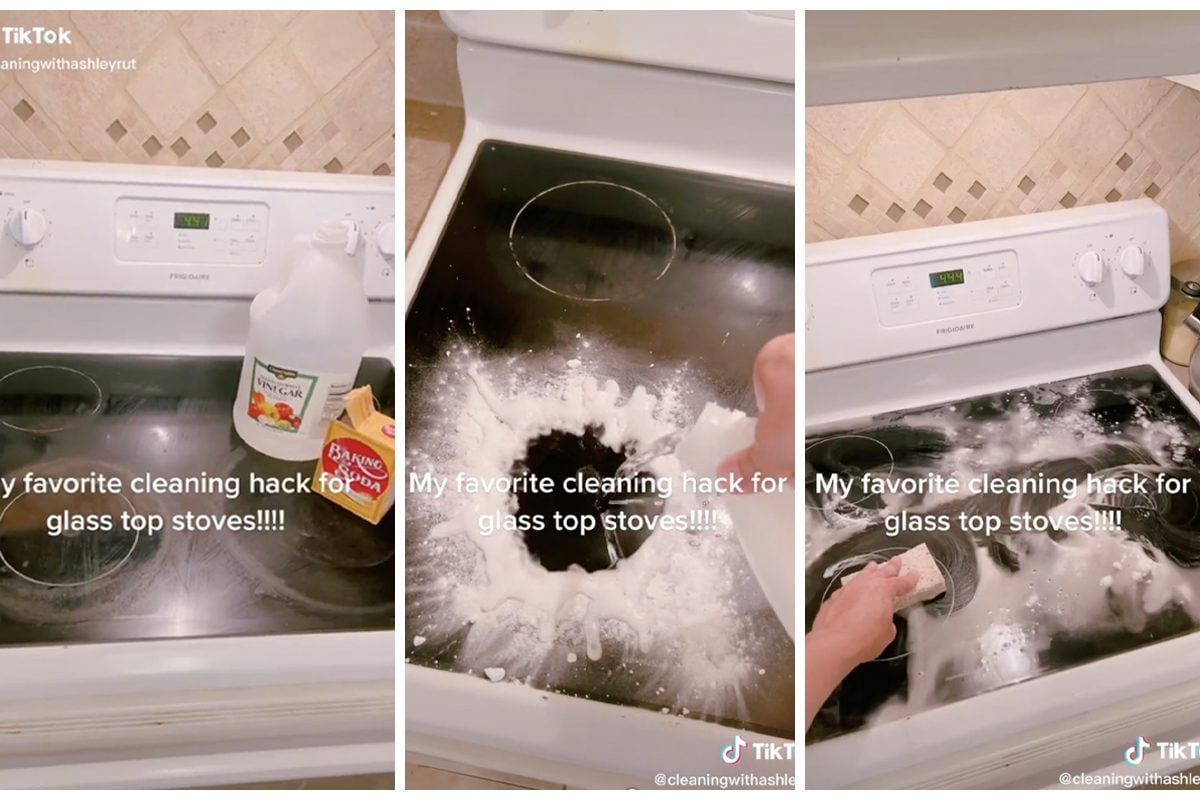
Step 3: Apply a simple vinegar solution
Mix equal parts white vinegar and water in a spray bottle. Spray the dirty area lightly and let it sit for a minute or two.
Vinegar helps loosen grease and soften residue. It is not magic, but it does make the next step less stressful on the surface.
Step 4: Use baking soda paste for stubborn spots
If you still see the burnt mark, make a paste with baking soda and a little water. Spread it over the stain.
Let it sit for 10 to 15 minutes. Baking soda gives you gentle cleaning power without harsh grit.
Step 5: Gently scrub with a soft sponge
Use a damp nonabrasive sponge or microfiber cloth. Move in small circles and keep the pressure light.
Do not use steel wool, gritty powders, or rough pads. They can leave fine scratches that catch light and make the top look dull.
Step 6: Use a scraper if needed
For hard, baked-on bits, a plastic scraper or cooktop razor scraper can help. Hold it at a low angle and slide carefully under the residue.
This is one of the best methods I’ve used for hardened spills. The trick is patience. Short strokes work better than force.
Step 7: Wipe clean and dry
After the burnt area lifts, wipe the surface with clean water. Then dry it with a soft cloth.
Drying matters because it helps prevent streaks. It also makes it easier to spot any leftover haze.
Best methods for different types of burnt marks
Not every stain behaves the same way. If you use the wrong approach, you may waste time or make the mark harder to remove. Matching the method to the mess is the smart move.
Light scorch marks
For light discoloration or sticky film, use vinegar and a microfiber cloth. These usually come off with little effort.
A second pass with baking soda paste often clears what remains.
Burnt sugar or syrup
Sugar is one of the toughest spills on a glass cooktop. It can harden fast and sometimes leave a sticky film that feels glued on.
Use a scraper first after softening the area with a warm damp cloth. Then finish with baking soda paste and a gentle wipe.
Grease and oil residue
Grease usually responds well to dish soap and warm water. If a greasy spot has cooked on, vinegar can help break it down.
I’ve found that letting the cleaner sit a bit longer works better than scrubbing harder.
Melted plastic or wrapped food
Turn off the heat right away and let the surface cool. Then carefully scrape off the softened material.
If a plastic film remains, a cooktop-safe scraper is usually the safest choice. Do not use knives or metal tools from your drawer.
Dark burn stains or haze
Sometimes the glass itself is not damaged, but a haze remains from repeated overheating. Try a cooktop cleaner made for glass-ceramic surfaces.
If the mark does not lift after a few careful attempts, it may be permanent discoloration rather than surface residue.

What not to do on a glass cooktop
This part matters as much as the cleaning steps. A good cooktop can last for years, but bad cleaning habits can shorten its life.
Avoid these mistakes:
- Using steel wool or abrasive pads
- Scrubbing with dry baking soda as if it were scouring powder
- Cleaning while the surface is still hot
- Using sharp kitchen knives instead of a proper scraper
- Spraying too much liquid near controls or vents
- Dragging heavy pans across the surface
I learned this the hard way once with a pan that had a rough bottom. It left faint marks that were not from the spill at all, but from the cookware. That is why cookware care matters too.
How to prevent burnt-on buildup in the future
Prevention is easier than rescue cleaning. A few small habits can keep a glass cooktop looking much newer.
Try these simple tips:
- Wipe spills as soon as the surface cools
- Use flat-bottomed cookware
- Check pan bottoms for grit before cooking
- Avoid overheating sugar, sauces, or oils
- Use the right burner size for the pan
- Keep a microfiber cloth nearby for quick cleanup
The more you clean early, the less you need harsh methods later. That is the real secret to keeping a glass cooktop in good shape.
When a stain may not come off
Sometimes the answer is not cleaner, it is damage. If the glass is pitted, cracked, or permanently cloudy, the issue may go beyond surface residue.
Signs of deeper damage include:
- A crack or chip in the glass
- A rough patch you can feel with your finger
- A stain that does not change after careful cleaning
- Burn marks that seem under the surface
In that case, stop scrubbing. Repeated aggressive cleaning can make the problem worse.
Expert tips for better results
Over time, I’ve noticed a few patterns that save time and effort. The best results usually come from combining patience with the right tool, not from force.
A few helpful habits:
- Start with the mildest cleaner first
- Let cleaners sit for a few minutes before wiping
- Use a scraper only on cooled surfaces
- Change cloths often so you do not spread residue
- Finish with a dry buff to remove streaks
If you clean cooktops often, keep one cloth just for glass surfaces. That small habit prevents grit from other jobs from scratching the finish.
Frequently Asked Questions
How do you get burnt off glass cooktop stains fast?
Start with a cool surface, then spray vinegar and water on the spot. If the residue stays, add baking soda paste and lift it with a scraper made for glass cooktops.
Can baking soda scratch a glass cooktop?
Baking soda is usually safe when mixed into a paste with water and used gently. The main risk comes from rubbing too hard or using a dry, gritty powder like an abrasive scrub.
Is it okay to use a razor blade on a glass cooktop?
Yes, if it is a cooktop-safe scraper and the surface is cool. Hold it at a low angle and use light pressure so you only lift the burnt residue.
What removes burnt sugar from a glass cooktop?
Burnt sugar often needs a scraper first, followed by baking soda paste or a cooktop cleaner. The faster you treat it, the easier it is to remove.
Why does my glass cooktop still look cloudy after cleaning?
Cloudiness can come from leftover cleaner, hard water spots, or fine residue. If careful cleaning does not help, the surface may have heat damage or permanent etching.
Conclusion
Getting burnt off glass cooktop messes off does not have to be a battle. With a cool surface, the right cleaner, and a gentle touch, most stains can be removed without damage. The biggest wins come from acting early, using safe tools, and avoiding harsh scrubbing.
If you take one thing from this guide, let it be this: patience protects your cooktop more than pressure does. Try the method that fits your stain, keep your tools soft, and make quick cleanup part of your routine. If you found this helpful, explore more home cleaning tips or leave a comment with your own cooktop cleaning trick.