How To Season Lodge Cast Iron Cookware: Easy Guide

Season Lodge cast iron by applying thin oil layers and baking it hot until a hard, dark patina forms.
If you’ve ever picked up a new Lodge skillet and wondered how to make it slick, dark, and ready for years of cooking, you’re in the right place. I’ve used Lodge cast iron for everything from fried eggs to cornbread, and one thing is always true: good seasoning is what turns a heavy pan into a kitchen workhorse. In this guide, I’ll walk you through how to season Lodge cast iron cookware the right way, with simple steps, real-world tips, and the mistakes that trip people up most often.
What Seasoning Actually Means
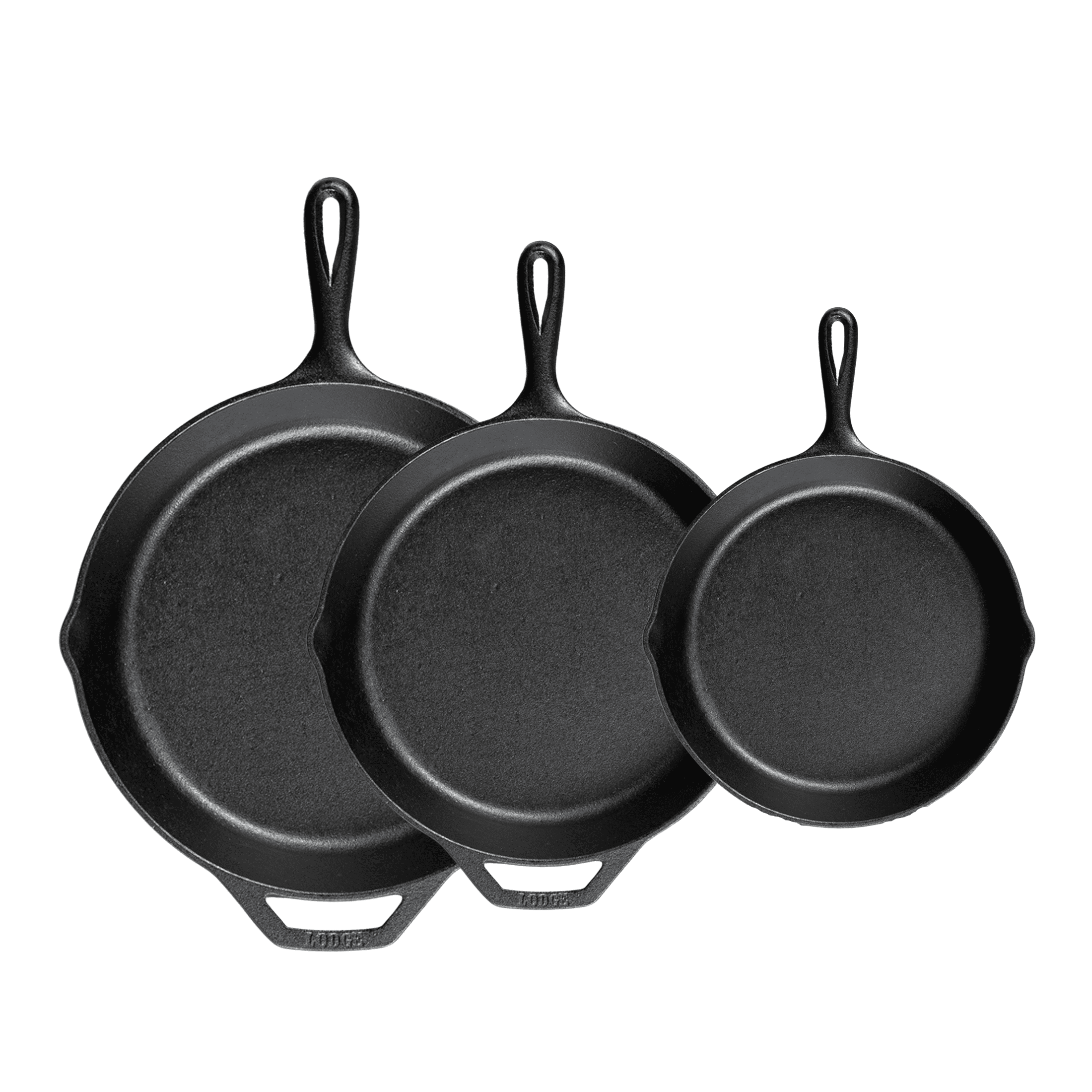
Seasoning is not just a layer of oil sitting on the pan. It is a thin, baked-on coating that forms when fat is heated and bonded to the metal. This process creates a smooth surface that helps protect the cookware and improves how it cooks over time.
For Lodge cast iron cookware, seasoning does three big jobs:
- It helps prevent rust by blocking moisture.
- It builds a natural nonstick surface.
- It improves the flavor and look of the pan with repeated use.
A lot of beginners think seasoning is a one-time task. In reality, it is more like caring for a cast iron skillet the way you would care for a cast-iron fence or a good leather boot. The more consistently you treat it well, the better it performs.

Why Lodge Cast Iron Needs Seasoning
Lodge cast iron is known for durability, heat retention, and value. But like all bare cast iron, it needs a protective layer because iron reacts with water and oxygen. Without seasoning, the pan can rust fast and feel rough when you cook.
A well-seasoned Lodge pan also behaves better on the stove and in the oven. Foods release more easily, cleanup gets easier, and the surface becomes darker and smoother with age. I’ve seen brand-new Lodge skillets go from grabby to glassy-feeling after a few rounds of seasoning and a few weeks of regular cooking.

How to Season Lodge Cast Iron Cookware Step by Step
If you want the simplest reliable method for how to season Lodge cast iron cookware, start here. This works well for a brand-new pan, a stripped pan, or a pan that just needs a refresh.
-
Wash the cookware first
Use warm water and a small amount of mild dish soap if needed. Modern Lodge cast iron can handle soap in small amounts, especially before seasoning. Dry it fully with a towel. -
Heat it to remove all moisture
Put the pan on the stove or in a warm oven for a few minutes. Any water left on the surface can cause rust or weak seasoning. -
Apply a very thin layer of oil
Use a neutral oil with a high smoke point, such as vegetable oil, canola oil, or grapeseed oil. Wipe it on, then wipe off the excess until the pan looks almost dry. This part matters a lot because thick oil turns sticky, not strong. -
Bake it upside down
Place the pan upside down in a hot oven, usually around 450°F to 500°F. Put foil or a baking sheet below it to catch drips. -
Heat for one hour
Let the oil bond to the iron. Then turn off the oven and allow the cookware to cool slowly inside. -
Repeat for a stronger base layer
One round is good. Two or three rounds are even better, especially for a new skillet, Dutch oven, or griddle.
When I season Lodge cast iron cookware in my own kitchen, I usually treat the first layer like primer paint. It is not supposed to be perfect. It is supposed to give the next layer something to hold onto.

Best Oils for Seasoning Lodge Cast Iron
The best oil is one that spreads thinly, heats well, and bonds reliably. You do not need anything fancy. In fact, the best results usually come from simple oils you probably already have.
Good choices include:
- Vegetable oil
- Canola oil
- Grapeseed oil
- Flaxseed oil, though results can be more brittle if applied too thickly
- Avocado oil
A lot of people ask whether bacon grease is fine. It can work, but it is less stable than neutral oils and may leave a smell or sticky spots if applied too heavily. From experience, neutral oils are easier, safer, and more predictable for most home cooks.

What to Do Before Seasoning a New Lodge Pan
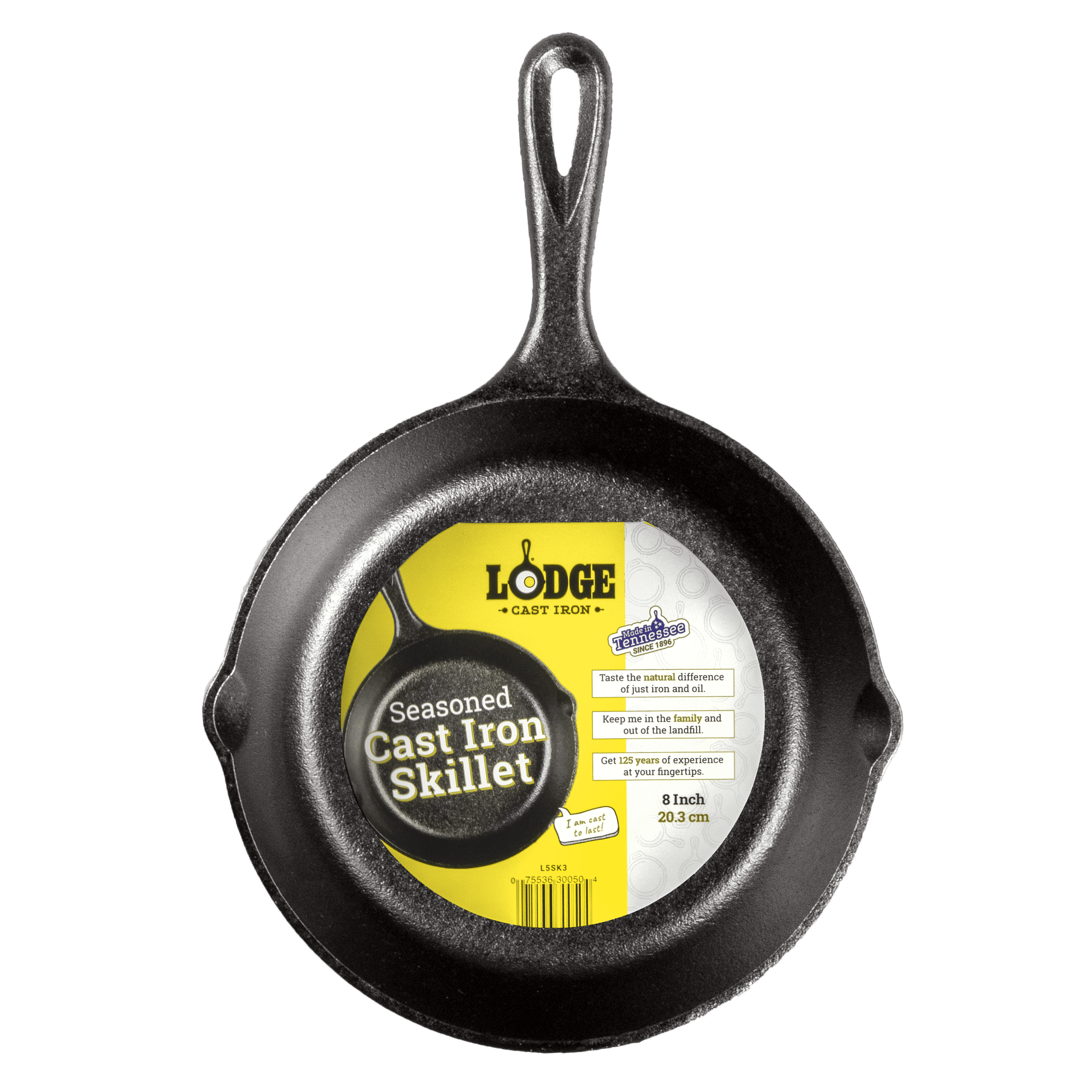
Many Lodge products come pre-seasoned at the factory, which is helpful. Still, that factory layer is just a starting point, not a finished cooking surface. If the pan feels dry, dull, or a little rough, adding a few oven-seasoning rounds can help.
Before seasoning, check for:
- Dust or residue from shipping
- Tiny rough spots on the cooking surface
- Moisture from washing
- Leftover packing oils or fingerprints
If the pan is brand new and pre-seasoned, you usually do not need to strip it. You just need to clean it gently, dry it well, and add more seasoning through heat and oil. That small extra effort often makes a noticeable difference in the first few uses.
Common Mistakes to Avoid
A lot of seasoning problems come from simple mistakes, not bad cookware. The biggest issue I see is too much oil. If the pan looks wet, the coating may turn tacky, blotchy, or gummy after baking.
Other common mistakes include:
- Skipping the drying step
- Using too much oil
- Baking at too low a temperature
- Leaving the cookware in a damp place after washing
- Scrubbing off the seasoning too aggressively
Another mistake is expecting instant perfection. Cast iron seasoning builds like slow-baked layers of paint, not like a spray coat. The pan gets better with time, not magic.

How to Maintain the Seasoning After Cooking
Once your Lodge cast iron cookware is seasoned, daily care matters just as much as the initial process. The good news is that maintenance is simple. You do not need a complicated routine.
After cooking:
- Wash the pan while it is still warm, not scorching hot.
- Use a soft brush, sponge, or nonmetal scrubber.
- Dry it fully right away.
- Wipe on a tiny bit of oil if the surface looks dull.
- Store it in a dry place.
If food sticks a little, do not panic. That does not mean the seasoning failed. It often just means the pan needs more use, better heat control, or one more seasoning layer.

How Often You Should Season Lodge Cast Iron Cookware
You do not need to season Lodge cast iron cookware after every meal. For most home cooks, a full oven seasoning is only needed when the surface starts looking dry, patchy, rusty, or sticky. Regular use with light oiling often keeps it in good shape.
Season more often if:
- You cooked something acidic for a long time
- The pan was left wet
- Rust spots appeared
- Food has started sticking more than usual
- You stripped the seasoning during cleaning
In my own kitchen, I usually do a full refresh only when the pan tells me it needs one. Cast iron is honest like that. If it looks thirsty, feed it.

How to Fix Sticky, Patchy, or Rusty Spots
Not every seasoning job comes out perfect the first time. That is normal. Cast iron is forgiving, and most problems can be fixed.
If the surface is sticky:
- Wipe off excess oil.
- Bake the pan again at a higher temperature.
- Let it cool fully before touching it.
If the seasoning looks patchy:
- Clean the pan.
- Dry it completely.
- Add a very thin coat of oil.
- Repeat the oven seasoning process.
If you see rust:
- Scrub the rust away with steel wool or a firm brush.
- Wash and dry the pan.
- Re-season it right away.
I once rescued a Lodge skillet that had been stored in a damp cabinet. It looked rough at first, but after a thorough dry, a light scrub, and three seasoning rounds, it came back beautifully. Cast iron usually rewards patience.
Cooking Habits That Build Better Seasoning
One of the best ways to improve Lodge cast iron cookware is to use it often. Cooking helps layer seasoning naturally, especially when you use oils and fats. Each meal adds a little more protection and smoothness.
Great first foods for seasoning growth include:
- Fried eggs
- Bacon
- Sauteed vegetables
- Cornbread
- Roasted potatoes
Start with foods that are not too acidic and not too sticky. Tomato sauce and wine-based dishes can be fine later, but early on, they may challenge a weak seasoning layer. Think of the first month as training season for the pan.
What Lodge Cast Iron Users Should Know About Heat
Heat control matters a lot when you season Lodge cast iron cookware and when you cook with it. Cast iron holds heat well, but it also heats slowly. If you use too much heat too fast, oil can break down unevenly or food can stick.
A few heat tips:
- Preheat the pan slowly.
- Use medium heat for most stovetop cooking.
- Let the oven do the heavy work for seasoning.
- Avoid soaking the pan in water.
- Never leave it empty on high heat for long periods.
This is one reason cast iron feels a little old-school. It asks for patience. But the reward is a pan that cooks evenly and lasts for decades.
Frequently Asked Questions of How to Season Lodge Cast Iron Cookware
Can I season Lodge cast iron cookware in the oven?
Yes, the oven is one of the best ways to season Lodge cast iron cookware because it gives even heat all around. This helps the oil bond smoothly and reduces the risk of sticky spots.
Do I need to season a new Lodge skillet right away?
Not always, because many Lodge skillets come pre-seasoned. Still, adding one or two oven seasoning layers before the first real use can improve the surface and help food release better.
What is the best oil for Lodge cast iron seasoning?
A neutral oil like canola, vegetable, or grapeseed oil is usually the easiest and most reliable choice. The key is using a very thin coat, because too much oil can make the finish sticky.
How do I know if my Lodge cast iron is seasoned properly?
A properly seasoned pan usually looks darker, feels smoother, and resists rust better. It may still have some texture, but food should release more easily over time.
Can I use soap on Lodge cast iron cookware?
Yes, a small amount of mild soap is fine, especially for cleaning before seasoning or after cooking. Just dry the cookware completely afterward so moisture does not lead to rust.
Conclusion
Learning how to season Lodge cast iron cookware is one of the simplest ways to make your skillet, Dutch oven, or griddle last longer and cook better. The process comes down to clean metal, thin oil, steady heat, and patience. Once you understand that, caring for cast iron starts to feel less like maintenance and more like a satisfying routine.
If you keep your seasoning thin, dry the pan well, and cook with it often, the surface will keep improving. Try the steps above on your own Lodge cookware, and pay attention to how it changes after each use. If this guide helped, save it for later, share it with a cast iron fan, or leave a comment with your favorite seasoning tip.