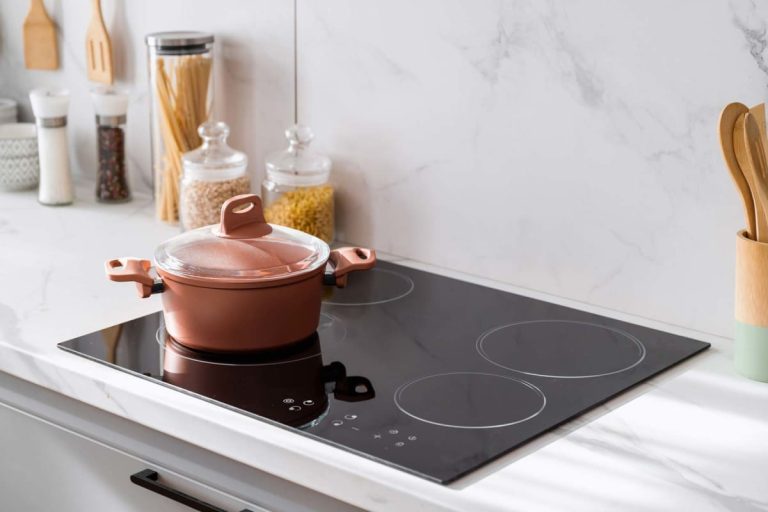
Caraway Cookware Cleaning Instructions: Easy Care Guide

Caraway cookware is made for everyday cooking in American kitchens, but its ceramic-coated surface needs gentle care. For most Caraway pots and pans, the safest method is simple: let the pan cool, wash it by hand with warm water and mild dish soap, use a soft sponge, rinse well, and dry it fully.
Avoid the dishwasher, steel wool, scouring powder, bleach, and harsh abrasive pads. These can dull or damage the ceramic coating. Always check the care card that came with your exact Caraway item, since product parts and accessories may have different limits.
Quick Answer: How to Clean Caraway Cookware
- Let the pan cool before washing it.
- Remove loose food with a soft spatula or paper towel.
- Wash the cookware by hand with warm water and mild dish soap.
- Use a soft sponge or non-abrasive cloth.
- Soak stuck-on food instead of scraping hard.
- Rinse away all soap.
- Dry the pan with a soft towel before storing it.
- Do not use a dishwasher unless Caraway’s current instructions for your exact product allow it.
This process helps protect the ceramic nonstick surface and can reduce staining, food buildup, and loss of easy release.
What You Need Before Cleaning Caraway Cookware
Gather these basic items:
- Mild liquid dish soap
- Warm water
- A soft sponge or microfiber cloth
- A soft dish towel
- A wooden, silicone, or nylon utensil
- Baking soda for stubborn stains or burnt food
Do not use steel wool, metal scouring pads, gritty powders, oven cleaner, or strong chemical cleaners. These products can scratch the coating or leave residue that is hard to remove.
Caraway cookware has a ceramic-coated cooking surface. Ceramic nonstick coatings are not the same as bare stainless steel or cast iron. They do not need aggressive scrubbing, seasoning, or abrasive cleaning.
Before the first use
Wash the cookware by hand before cooking with it for the first time. Use warm, soapy water and a soft sponge. Rinse well, then dry it.
This removes dust or packaging residue from manufacturing and shipping. You do not need to season the ceramic surface with oil like you would season cast iron.
Step-by-Step Caraway Cookware Cleaning Instructions
1. Let the pan cool
Take the pan off the burner and let it cool before washing it. Do not place a hot pan under cold tap water.
A sudden temperature change can stress cookware materials. It may also cause hot grease to splatter and create a burn risk.
If food has dried in the pan, wait until the cookware is safe to touch. You can then begin the soaking step.
2. Remove loose food
Use a wooden, silicone, or nylon tool to lift loose food from the pan. A soft paper towel can also remove oil and crumbs.
Do not use a knife, fork, metal spatula, or other sharp object to pry off stuck food. Metal tools can leave marks and may damage the ceramic coating.
3. Wash with mild dish soap
Add warm water and a small amount of mild dish soap. Clean the inside, outside, rim, handle, and any rivets or seams.
Use a soft sponge or non-abrasive cloth. Light pressure is usually enough. If the surface still feels greasy, wash it a second time rather than scrubbing harder.
4. Soak stuck-on food
For dried food, fill the pan with warm, soapy water. Let it soak for about 15 to 30 minutes.
After soaking, wipe the food away with a soft sponge. For thicker buildup, repeat the soak. Several gentle cycles are safer than one forceful scrub.
Do not leave cookware soaking for very long periods if the handle, lid, or other parts have materials that may retain water. Follow the product care instructions for those parts.
5. Treat burnt food with baking soda
For light burnt residue, make a loose paste with baking soda and a small amount of water. Spread it over the affected area and let it sit for several minutes.
Wipe the paste away with a soft sponge. Rinse the pan fully and dry it.
Baking soda may help loosen residue, but it should not be used as a substitute for gentle cleaning. Do not combine it with bleach, ammonia, or other cleaners.
6. Rinse and dry
Rinse the pan under clean water until no soap remains. Dry it with a soft towel.
Drying helps prevent water spots and keeps moisture from collecting around handles, lids, or storage areas. Before stacking the cookware, make sure each piece is clean and fully dry.
Can Caraway Cookware Go in the Dishwasher?
Caraway’s standard care guidance has generally recommended hand washing for its ceramic-coated cookware. Even when a piece may tolerate a dishwasher cycle, dishwasher detergent, high heat, water pressure, and contact with other items can shorten the life of a coated surface.
Hand washing is the lower-risk choice.
If you use a dishwasher despite the care instructions, avoid placing the pan against metal utensils or other cookware. However, the safest approach is to follow the manual for the exact Caraway product and model you own.
Why hand washing is better
Hand washing gives you more control over:
- Water temperature
- Detergent strength
- Contact with other dishes
- Scrubbing pressure
- Drying time
Dishwasher detergent can be more alkaline and abrasive than mild dish soap. Repeated dishwasher use may also make the finish look dull over time.
How to Remove Common Caraway Cookware Stains
Ceramic cookware can develop brown, gray, or dark marks. These marks do not always mean the coating has failed. Some come from oil, high heat, mineral deposits, or cooked-on food.
Use the lightest cleaning method first.
| Problem | Safer first step | Avoid |
|---|---|---|
| Greasy film | Warm water and mild dish soap | Heavy degreasers |
| Dried food | Warm soapy soak | Sharp scraping |
| Light burnt residue | Baking soda and water paste | Steel wool |
| White water spots | Mild dish soap and a soft cloth | Gritty powder |
| Dark oil stains | Gentle repeated washing | Oven cleaner |
| Food odor | Warm soapy wash, rinse, and dry | Bleach or perfume cleaners |
Brown or dark marks
Brown marks often come from overheated oil or food residue. Wash the pan with mild soap first. If the mark remains, use a baking soda paste and a soft sponge.
Do not expect every discoloration to disappear. A stain may affect appearance without affecting the pan’s function, but deep scratches, peeling, or exposed material are different issues.
White or cloudy spots
White marks may come from minerals in water or soap residue. Wash the pan again with mild dish soap and rinse it well.
Drying the cookware after each wash can help reduce new water spots.
Rainbow or dull marks
Heat and oil can change the appearance of a ceramic surface. Let the cookware cool, then clean it with mild soap and a soft cloth.
Do not polish the coating with metal cleaners. Products made for stainless steel may be too harsh for ceramic-coated cookware.
How to Clean a Burnt Caraway Pan
A burnt Caraway pan needs soaking, not force. Follow this method:
- Let the pan cool completely.
- Remove loose food with a wooden or silicone utensil.
- Add warm water and mild dish soap.
- Soak for 15 to 30 minutes.
- Wipe the surface with a soft sponge.
- For remaining residue, apply a baking soda and water paste.
- Let the paste sit for a few minutes.
- Wipe gently, rinse, and dry.
Repeat the process if needed. Do not turn the burner back on with water in the pan to “boil off” the residue unless Caraway’s instructions for your cookware specifically permit that method.
If burnt food will not come off
Stop scrubbing when the residue remains after several gentle attempts. Hard scrubbing may cause more damage than the stain itself.
You can try another warm-water soak and a fresh baking soda paste. If the coating is scratched, chipped, blistered, or peeling, contact Caraway support before using the pan again.
How to Prevent Caraway Cookware From Getting Dirty
Good cooking habits reduce the need for deep cleaning.
- Use low to medium heat when possible.
- Avoid heating an empty pan for a long time.
- Use wooden, silicone, or nylon utensils.
- Wipe excess oil from the pan after it cools.
- Clean the pan soon after use.
- Do not cut food inside the cookware.
- Do not stack pans without protection between them.
- Keep metal tools away from the cooking surface.
- Follow the product instructions for oven and stovetop use.
High heat can bake oil onto the surface and create brown marks. It can also reduce the useful life of a ceramic nonstick coating. More heat does not always mean better cooking.
A simple rule works well: use enough heat to cook the food, but not so much that oil smokes or food burns to the surface.
Storage tips
Store Caraway cookware with space between pieces when possible. If you must stack pans, place a soft pan protector, towel, or other approved barrier between them.
Do not store sharp tools inside a pan. Keep lids from rubbing against the cooking surface during storage.
Caraway Cookware Cleaning Mistakes to Avoid
Using steel wool
Steel wool can scratch the ceramic coating. Once scratched, the surface may release food less easily and become harder to clean.
Scraping with metal
A metal knife or spatula can leave scratches. Use a soft utensil to lift residue instead.
Pouring cold water into a hot pan
This creates a sudden temperature change. It can also produce steam and splatter.
Using oven cleaner or bleach
Strong cleaners are not needed for normal cookware care. They may damage the finish or leave chemical residue.
Using cooking spray too often
Some cooking sprays can leave a sticky film when heated again and again. If you use oil, apply a small amount of regular cooking oil with a cloth or brush, unless the product instructions say otherwise.
Leaving food in the pan overnight
Long contact with acidic, salty, or oily food can make cleanup harder. Wash the cookware soon after it cools.
Scrubbing harder when the pan looks stained
A stain is mostly an appearance problem. Aggressive scrubbing can create a permanent surface problem. Start with soaking and mild cleaning.
What to Do if Food Starts Sticking
Food sticking can have several causes. It does not always mean the cookware is dirty.
Check these points:
- Look for residue. A thin oil film may make food stick during the next use.
- Check the heat. Very high heat can burn food and damage the coating.
- Use enough fat. Ceramic nonstick cookware may still need a small amount of oil.
- Avoid overcrowding. Crowding lowers pan temperature and can cause food to release poorly.
- Inspect the surface. Scratches, chips, peeling, or bubbling may mean the pan needs replacement.
- Review the product age. Coated cookware can lose nonstick performance over time, even with careful use.
Do not use more force to compensate for a damaged coating. If the cooking surface is visibly deteriorating, stop using the item and ask Caraway about its warranty or replacement options.
Caraway Cookware Parts That Need Extra Care
The pan body is only one part of a cookware set. Lids, handles, storage organizers, and accessories may have separate instructions.
Lids
Wash lids by hand with warm water and mild soap unless the product instructions say otherwise. Dry around the rim and handle.
Do not trap water inside a lid or store it while wet.
Handles
Clean handles with a soft cloth or sponge. Avoid soaking removable handles unless the manual allows it.
Cookware organizers
Wipe organizers and storage pieces clean. Do not assume that a fabric, wood, or coated organizer is dishwasher-safe.
Baking sheets and trays
Caraway baking items may have different care limits from pots and pans. Use the instructions for that exact item. Avoid treating every product in a set as if it has the same coating or temperature rating.
When Should You Replace Caraway Cookware?
Replace or stop using a piece when the cooking surface has deep scratches, chips, peeling, blistering, or exposed base material.
Normal discoloration does not automatically require replacement. A pan can look less bright and still work properly. The key difference is surface damage, not color alone.
Contact Caraway customer support if:
- The coating peels during normal use.
- A handle becomes loose.
- The pan warps.
- A lid cracks.
- The surface bubbles or blisters.
- You are unsure whether the cookware is safe to use.
Have the product name, purchase details, and photos ready. The exact warranty terms can depend on the item, purchase date, and type of damage.
Frequently Asked Questions
Can I use Bar Keepers Friend on Caraway cookware?
Avoid using Bar Keepers Friend or other abrasive cleaners on the ceramic-coated cooking surface unless Caraway specifically approves the product for your exact cookware. Use mild dish soap and a soft sponge instead.
Can I use vinegar to clean Caraway pans?
A small amount of diluted vinegar may help with mineral spots on some kitchen surfaces, but it is not necessary for routine cleaning. Follow Caraway’s instructions first, and rinse the cookware fully if you use any acidic cleaner.
Do not mix vinegar with bleach or other cleaning chemicals.
Can I use a magic eraser on Caraway cookware?
It is safer to avoid melamine foam sponges on the cooking surface. Their abrasive action can dull or damage a ceramic coating. Choose a soft sponge or microfiber cloth.
Why is my Caraway pan turning brown?
Brown marks often come from overheated oil, cooked-on food, or repeated high-heat use. Try warm soapy water first, then a gentle baking soda paste. If the surface is peeling or blistering, stop using the pan and contact Caraway.
Can I put Caraway cookware in the oven?
The answer depends on the product and its components. Check the current instructions for the exact pan, lid, and handle before using an oven. Do not assume that an oven-safe pan makes every lid or accessory oven-safe.
How often should I deep-clean Caraway cookware?
Deep-clean only when normal hand washing does not remove residue or stains. Frequent aggressive cleaning is not better for ceramic cookware. A quick wash after each use is the best routine.
Final Cleaning Routine
For most Caraway cookware, use this routine after each meal:
- Cool the pan.
- Remove loose food.
- Wash by hand with mild soap and warm water.
- Use a soft sponge.
- Soak stubborn residue.
- Use baking soda paste only when needed.
- Rinse and dry fully.
- Store with protection between stacked pieces.
The main rule is gentle care. Treat the ceramic coating as a smooth finish, not as a surface that needs scraping. If the exact product manual differs, follow the manual for that product.