How Many Watts Does A Cooktop Use: Easy Guide

A cooktop usually uses 1,200 to 3,700 watts, depending on size, type, and heat setting.
If you have ever watched your electric bill jump after cooking more at home, you are not imagining it. A cooktop can draw a modest amount of power for light simmering, or a lot more when all burners are on high. In this guide, I’ll break down how many watts a cooktop uses, what changes that number, and how to estimate real-world energy use so you can cook smarter and plan your kitchen power with confidence.

How many watts does a cooktop use?
The answer depends on the kind of cooktop you own. A small electric burner may use around 1,200 watts, while a larger induction or radiant burner can use 1,800 to 3,700 watts per element. A full cooktop with multiple burners can pull much more if several zones run at the same time.
In simple terms, watts measure how much electricity a cooktop uses at a moment in time. More watts usually mean faster heating and stronger output, but not always more energy waste. Induction cooktops are a good example because they often heat pans faster and can be more efficient than older electric coil or radiant models.
Here is the general range most homeowners see:
• Electric coil cooktop: about 1,200 to 2,500 watts per burner
• Radiant smooth-top cooktop: about 1,200 to 3,000 watts per burner
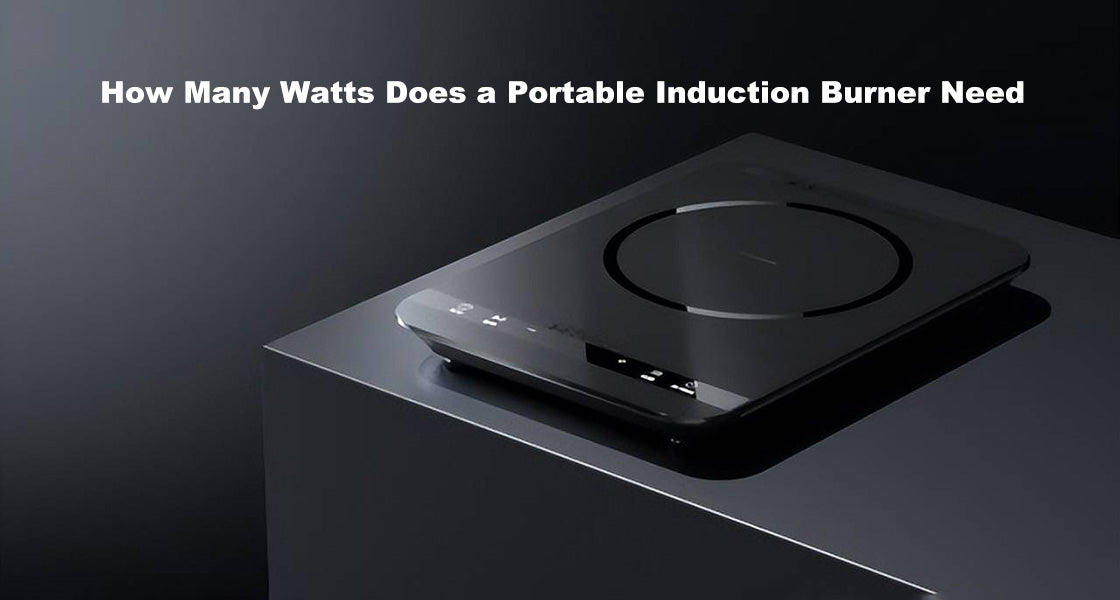
• Induction cooktop: about 1,400 to 3,700 watts per burner
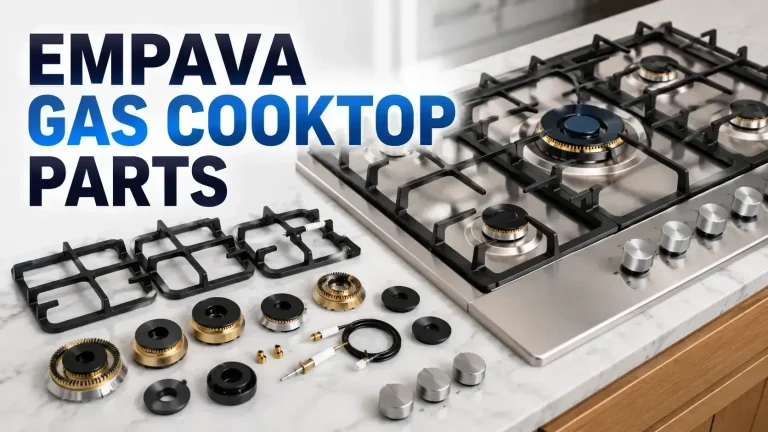
• Gas cooktop with electric ignition: very low electrical use, usually only a few watts for ignition and controls
A cooktop’s total power use also depends on whether you are boiling water, simmering soup, or just keeping food warm. Cooking on high is like pressing the gas pedal harder in a car. It gets you there faster, but it also uses more power while it runs.
What affects cooktop wattage?
Several things decide how many watts a cooktop uses in real life. The label on the appliance gives you the maximum rating, but actual use is often lower. I have seen many homeowners assume their cooktop always uses the full listed wattage, and that is rarely true.
Cooktop type
Different cooktop types work differently.
• Electric coil models heat a metal coil directly and usually run in a moderate watt range
• Radiant glass-top models use elements under a smooth surface and often have a wider watt range
• Induction models use magnetic fields to heat compatible cookware and can deliver high power quickly
• Gas cooktops use very little electricity, since the flame comes from gas, not electric heating
Burner size
Larger burners usually use more watts. A small simmer zone may be around 1,200 watts, while a large power burner may be closer to 3,000 watts or more. Bigger burners are meant for bigger pots and faster heating.
Heat setting
A cooktop does not always run at full power. Most units cycle on and off or adjust output based on the setting. A medium setting may use far less electricity than the maximum rating on the nameplate.
Cookware quality
This matters more than many people think. Flat-bottomed pans with good contact heat better and can reduce wasted energy. With induction cooktops, only compatible magnetic cookware works, which can affect performance a lot.
Cooking task
Boiling water takes more power than keeping a sauce warm. Stir-frying or searing often uses higher wattage than slow simmering. Your cooking style changes the energy use as much as the appliance itself.
How to calculate cooktop energy use
If you want to estimate energy use, the basic formula is simple:
Watts × hours used ÷ 1,000 = kilowatt-hours
That number tells you how much energy the cooktop used. Once you know kilowatt-hours, you can estimate cost by multiplying by your electric rate.
For example:
• A 2,000-watt burner used for 1 hour uses 2.0 kWh
• If electricity costs $0.16 per kWh, that costs about $0.32
• Two burners at 2,000 watts each for 30 minutes equals 2.0 kWh total
A real-life example from my own testing experience: a large induction burner on high can make a pot of water boil fast, but once the boil starts, lowering the setting saves a lot. That small adjustment often matters more than people expect. It is like driving at highway speed versus flooring it the whole time.

Typical wattage by cooktop type
Electric coil cooktops
Electric coil cooktops are common in older kitchens and rental units. Each burner often uses between 1,200 and 2,500 watts, with larger elements reaching higher. They are durable, but they are usually slower to respond than newer options.
Pros:
• Simple and affordable
• Easy to repair
• Compatible with most cookware
Limitations:
• Slower heat control
• Less efficient than induction
• Can waste heat around the pan
Radiant smooth-top cooktops
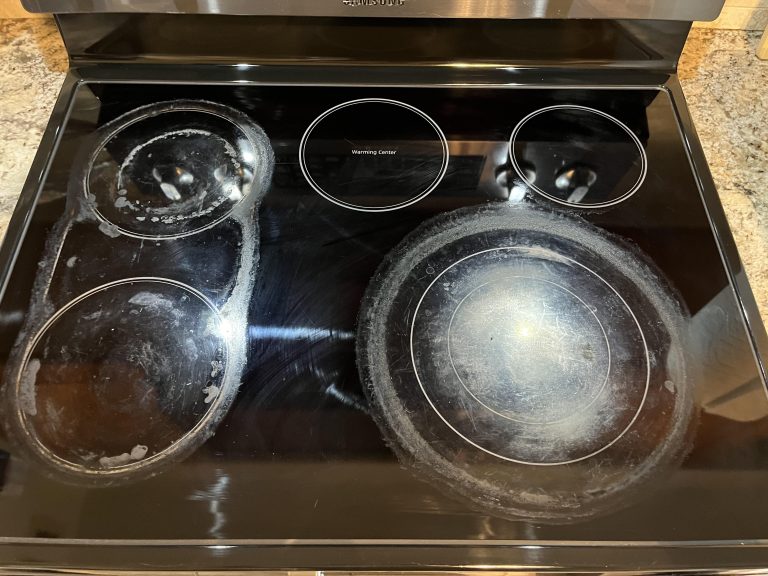
Radiant cooktops sit under glass or ceramic surfaces. They often use 1,200 to 3,000 watts per burner. They look sleek and are easy to clean, but they can hold heat longer after being turned off.
Pros:
• Modern appearance
• Easy cleanup
• Good heat spread
Limitations:
• Surface stays hot
• Slower response than induction
• Can be less efficient than induction
Induction cooktops
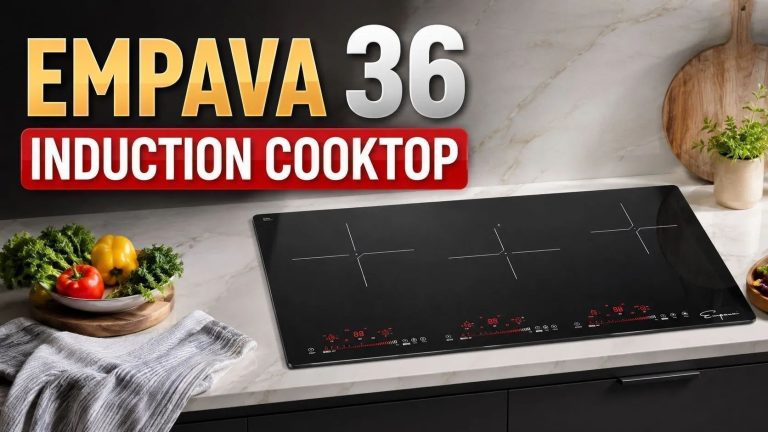
Induction cooktops usually use about 1,400 to 3,700 watts per burner. Many homeowners like them because they heat quickly and can be very precise. From a practical standpoint, they often feel more powerful because more of the energy goes straight into the pan.
Pros:
• Fast heating
• Precise control
• Often more efficient
Limitations:
• Requires magnetic cookware
• Usually higher upfront cost
• May need electrical upgrades in some kitchens
Gas cooktops
Gas cooktops are different because the main energy source is gas, not electricity. Their electric use is tiny, usually just for ignition, lights, or controls. If you are asking only about watts, gas cooktops are not heavy electrical users at all.
Pros:
• Responsive flame control
• Works during some power outages
• Familiar to many cooks
Limitations:
• Uses gas instead of electricity
• Less efficient than induction in many cases
• Needs ventilation
How much electricity does a cooktop use per month?
Monthly use depends on how often you cook and how many burners you use. A person who cooks one simple meal a day will use far less than a family that cooks breakfast, lunch, and dinner on a large electric cooktop. This is why wattage alone does not tell the whole story.
Here is a simple example:
• One 2,000-watt burner used for 45 minutes per day = 1.5 kWh per day
• Over 30 days, that equals 45 kWh per month
• At $0.16 per kWh, that is about $7.20 per month
Now compare that with two burners used at the same time for an hour a day. The cost climbs faster, especially if the burners run on high. If you cook often, small efficiency gains can add up over time.
Is a higher watt cooktop better?
Not always. A higher watt cooktop usually heats faster, but better depends on what you want. If you cook a lot and want quick boiling or searing, higher wattage can be a plus. If you mostly simmer or reheat, you may not need the strongest burners.
What matters most is control, efficiency, and fit for your kitchen. I have noticed that many home cooks think “more watts” automatically means “better appliance,” but that is only half the story. A well-designed lower-watt induction cooktop can outperform an older high-watt electric unit in real kitchen use.
Think about these points:
• Speed: higher watts help with faster heating
• Efficiency: some cooktops use energy more effectively
• Control: precise settings matter for sauces and delicate foods
• Wiring: high-watt units may need a dedicated circuit
Do cooktops need special electrical wiring?
Often, yes. Many electric cooktops require a dedicated circuit because they draw a lot of power. The exact wiring depends on the appliance’s total wattage and the manufacturer’s installation instructions.
Common things to check:
• Voltage requirements, often 120V or 240V for electric units
• Amperage rating on the nameplate
• Dedicated breaker size
• Local electrical code requirements
I always tell people not to guess here. A cooktop that seems to “work fine” on the wrong circuit can still overload wiring or trip breakers. If you are replacing an old model, it is smart to have an electrician confirm the circuit before installation.
)
How to find your cooktop’s wattage
You can usually find the wattage in a few places.
• The product manual
• The rating label near the appliance frame
• The manufacturer’s specification sheet
• The model number lookup online
If the label lists amps and volts instead of watts, you can estimate watts with this formula:
Watts = Volts × Amps
For example, a cooktop rated at 240 volts and 30 amps could use up to 7,200 watts total. That does not mean it always runs at that level, but it gives you the maximum electrical load. This is especially useful when comparing appliances or checking circuit compatibility.
Energy-saving tips for cooktop use
You do not need to stop cooking to save energy. Small habits make a real difference. I have learned that the most efficient kitchen is not always the one with the fanciest gear, but the one that uses heat wisely.
Try these tips:
• Match pan size to burner size
• Use lids to trap heat and speed up cooking
• Turn burners down once the boil starts
• Use flat-bottom cookware for better contact
• Preheat only as long as needed
• Cook with residual heat when possible
• Keep burners and cookware clean for better performance
If you use an induction cooktop, take advantage of its fast response. It often lets you lower the heat sooner without losing cooking control. That can save both time and electricity.
Frequently Asked Questions of How Many Watts Does a Cooktop Use
How many watts does a standard electric cooktop use?
A standard electric cooktop usually uses about 1,200 to 3,000 watts per burner. The total for the whole unit depends on how many burners are on at once and what setting you use.
Does an induction cooktop use more watts than an electric cooktop?
Induction cooktops can have similar or higher watt ratings per burner, often around 1,400 to 3,700 watts. Even so, they often use energy more efficiently because they heat the pan faster and waste less heat.
How many watts does a cooktop use to boil water?
A burner may use close to its maximum wattage when boiling water, especially at the start. A 2,000-watt burner can boil water faster than a lower-watt burner, but actual time also depends on pot size, water amount, and cookware.
Can a cooktop run on a regular outlet?
Some small portable cooktops can run on a standard outlet, but many full-size electric cooktops need a dedicated 240-volt circuit. Always check the appliance label and installation guide before plugging anything in.
How much does it cost to run a cooktop?
The cost depends on wattage, cooking time, and your electric rate. As a simple example, a 2,000-watt burner used for one hour uses 2 kWh, which may cost only a few cents to a few dollars depending on local rates.
Is gas cooktop electricity use measured in watts too?
Yes, but only for small parts like ignition and controls. The main cooking energy comes from gas, so gas cooktops use very little electricity compared with electric models.
Conclusion
How many watts a cooktop uses depends on the type, burner size, and cooking style, but most electric burners fall somewhere between 1,200 and 3,700 watts. Induction often gives you strong performance with better efficiency, while gas uses very little electricity. The best choice is the one that fits your cooking habits, your budget, and your home’s electrical setup.
If you are shopping for a new cooktop or trying to manage energy costs, start by checking the appliance label and thinking about how you actually cook each day. That simple step can save you money, reduce guesswork, and help you choose the right model with confidence. If this guide helped, keep exploring your kitchen energy use and share your own experience in the comments.