
How to Remove Aluminum Marks from Glass Top Stove Fast

Aluminum marks on your glass top stove can be frustrating, but they’re easier to remove than you think. This guide shows you fast, safe ways to restore your stove’s shine using everyday cleaners and simple techniques.
How to Remove Aluminum Marks from Glass Top Stove Fast
If you’ve ever accidentally melted aluminum foil or used a pot with an aluminum base on your glass top stove, you know how unsightly those silvery or grayish marks can be. These marks aren’t just ugly—they can also affect heat transfer and make cooking less efficient. The good news? You don’t need expensive tools or professional help to fix them. With the right approach, you can remove aluminum marks from your glass top stove quickly and safely using items you likely already have at home.
In this guide, we’ll walk you through proven methods to eliminate aluminum residue, restore your stove’s smooth finish, and prevent future marks. Whether you’re dealing with light smudges or stubborn, baked-on streaks, these step-by-step solutions will have your cooktop looking brand new in no time.
Why Do Aluminum Marks Appear on Glass Stoves?
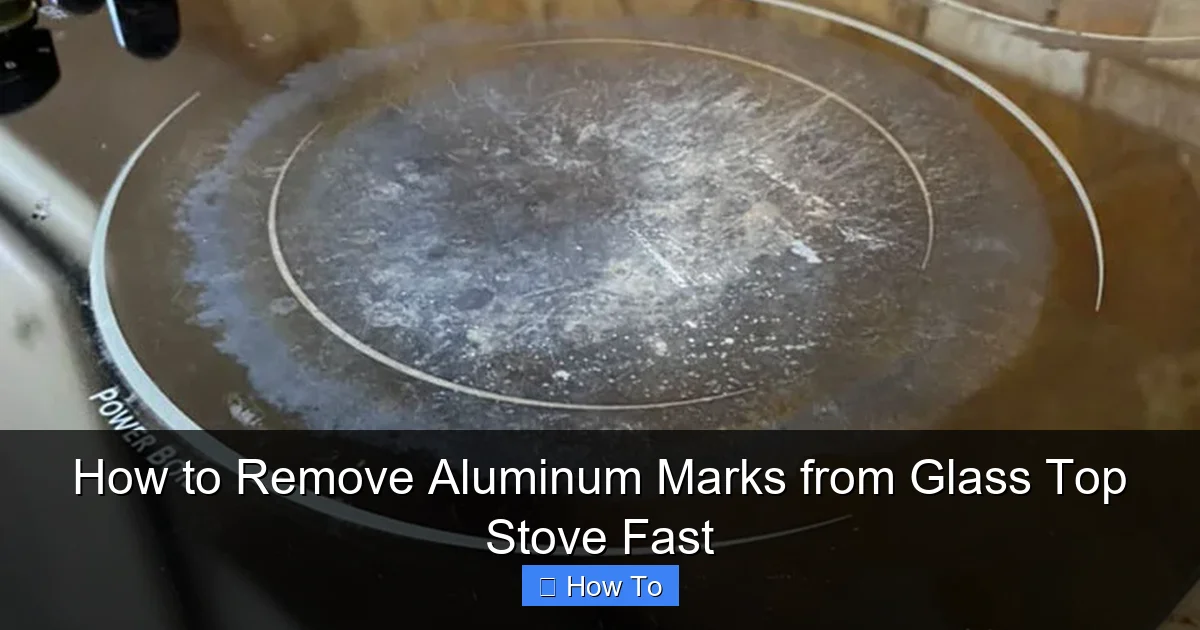
Visual guide about How to Remove Aluminum Marks from Glass Top Stove Fast
Image source: acleanbee.com
Before diving into cleaning, it helps to understand why these marks happen. Glass top stoves are designed to handle high heat, but they’re not immune to damage from certain materials—especially reactive metals like aluminum.
When aluminum foil, aluminum cookware, or even aluminum-based pans come into direct contact with a hot glass surface, the metal can melt or transfer onto the stove. This leaves behind shiny, silvery streaks or dull gray smudges that don’t wipe off with regular cleaning. Over time, these marks can become more permanent if not treated promptly.
The key is that aluminum has a lower melting point than the glass surface, so when overheated, it fuses slightly to the stove. That’s why quick action is essential—the longer the mark sits, the harder it becomes to remove.
What You’ll Need
Before starting, gather these supplies. Most are common household items:
- Baking soda
- White vinegar
- Microfiber cloths or soft sponges
- Bar Keepers Friend (optional but highly effective)
- Glass stove cleaner (commercial product)
- Plastic scraper or credit card (for stubborn residue)
- Water
- Dish soap
Avoid using steel wool, metal scrapers, or abrasive powders like Comet unless specifically labeled safe for glass cooktops. These can scratch the surface and create more problems than they solve.
Method 1: Baking Soda and Vinegar (The Natural Fix)
This eco-friendly method uses two pantry staples to break down aluminum marks without harsh chemicals. It’s gentle, effective, and safe for daily use.
Step 1: Let the Stove Cool Completely
Never clean a hot stove. Wait at least 30–60 minutes after use to avoid burns or thermal shock, which can crack the glass.
Step 2: Wipe Away Loose Debris
Use a dry microfiber cloth to remove any crumbs, food particles, or loose residue. This prevents scratching during scrubbing.
Step 3: Make a Baking Soda Paste
Mix 3 parts baking soda with 1 part water to form a thick paste. The consistency should be like toothpaste—spreadable but not runny.
Step 4: Apply the Paste to the Mark
Using a soft cloth or your fingers, gently rub the paste onto the aluminum mark. Cover the entire stained area and let it sit for 5–10 minutes. This gives the baking soda time to break down the metal residue.
Step 5: Add Vinegar for Extra Power
Spray or dab a small amount of white vinegar over the paste. You’ll see it fizz—that’s the reaction between the acid (vinegar) and base (baking soda), which helps lift the stain. Let it sit for another 2–3 minutes.
Step 6: Gently Scrub in Circular Motions
Use a damp microfiber cloth to scrub the area in small, circular motions. Apply light to medium pressure—enough to lift the mark, but not so much that you risk scratching.
Step 7: Wipe Clean and Dry
Rinse the area with a clean, damp cloth to remove all paste residue. Then dry thoroughly with a dry microfiber cloth to prevent water spots.
For light marks, this method often works in one go. For tougher stains, repeat the process.
Method 2: Bar Keepers Friend (The Pro Cleaner)
If baking soda doesn’t do the trick, reach for Bar Keepers Friend. This powdered cleaner is a favorite among homeowners for its ability to remove metal marks, rust, and hard water stains—without scratching glass surfaces when used correctly.
Step 1: Cool and Prep the Stove
As always, ensure the stove is cool and free of loose debris.
Step 2: Dampen the Surface
Lightly wet the aluminum mark with water. This helps the powder activate and prevents it from scratching.
Step 3: Sprinkle the Cleaner
Sprinkle a small amount of Bar Keepers Friend directly onto the stain. Don’t overdo it—a thin layer is enough.
Step 4: Scrub with a Damp Cloth
Using a soft, damp cloth or non-abrasive sponge, gently scrub the area in circular motions. You should see the mark begin to fade within 30–60 seconds.
Step 5: Rinse and Dry
Wipe away the cleaner with a damp cloth, then dry the surface completely. Your stove should look noticeably cleaner.
Tip: For extra shine, follow up with a glass stove polish or a wipe of rubbing alcohol to remove any leftover residue.
Method 3: Commercial Glass Stove Cleaner
If you prefer a ready-to-use solution, commercial glass stove cleaners like Weiman, Cerama Bryte, or Scotch-Brite Glass Cooktop Cleaner are excellent options. These are formulated specifically for glass surfaces and often include polishing agents to restore shine.
Step 1: Read the Label
Always check the manufacturer’s instructions. Some cleaners require the stove to be slightly warm (not hot), while others work best on cool surfaces.
Step 2: Apply the Cleaner
Spray or squeeze a small amount onto the aluminum mark. Let it sit for the recommended time—usually 1–3 minutes.
Step 3: Scrub Gently
Use the included scrubbing pad or a soft cloth to work the cleaner into the stain. Most products have mild abrasives that lift marks without damage.
Step 4: Wipe and Buff
Remove the cleaner with a damp cloth, then buff the area with a dry microfiber cloth for a streak-free finish.
These cleaners are especially useful for maintaining your stove between deep cleans and can prevent future buildup.
Method 4: The Plastic Scraper Trick (For Stubborn Marks)
Sometimes, aluminum marks are baked on so tightly that even cleaners struggle. In these cases, a plastic scraper can help—without scratching the glass.
Step 1: Soften the Mark
Apply a baking soda paste or glass cleaner and let it sit for 10–15 minutes to loosen the residue.
Step 2: Use a Plastic Scraper
Gently glide a plastic scraper (or an old credit card) at a 45-degree angle over the mark. Use light, steady pressure. Never use metal tools—they will scratch.
Step 3: Wipe and Repeat
Wipe away loosened debris and reapply cleaner if needed. Repeat until the mark is gone.
This method works best when combined with a cleaning agent. Never scrape dry—always use a lubricant like water or cleaner to protect the glass.
Troubleshooting Common Issues
Even with the best methods, you might run into a few hiccups. Here’s how to handle them:
Mark Won’t Come Off?
If the aluminum mark persists after multiple attempts, it may have etched into the glass. In rare cases, deep etching requires professional resurfacing. However, most marks are surface-level and will respond to repeated cleaning. Try alternating between baking soda and Bar Keepers Friend every few hours.
Scratches Appeared?
If you notice fine scratches, you likely used an abrasive tool or cleaner. Switch to softer cloths and avoid scrubbing too hard. For minor scratches, a glass polishing compound can help blend them in.
Discoloration or Haze?
A cloudy film after cleaning usually means residue was left behind. Wipe the area with a cloth dampened with rubbing alcohol to remove it.
Stove Still Looks Dull?
This could be due to mineral buildup or old cleaner residue. A final polish with a dedicated glass cooktop cleaner will restore shine.
How to Prevent Aluminum Marks in the Future
The best way to deal with aluminum marks is to avoid them altogether. Follow these simple tips:
- Use cookware with flat, non-aluminum bases: Opt for stainless steel, ceramic, or cast iron pans with smooth bottoms.
- Never use aluminum foil on the stove: It’s a common cause of marks—especially if it melts or shifts during cooking.
- Check pan bottoms before use: Wipe them clean to remove any metal shavings or debris.
- Don’t drag pots across the surface: Lift them instead to prevent scratching and metal transfer.
- Clean spills immediately: The longer a spill sits, the more likely it is to leave a mark.
- Use a stove protector mat: These silicone mats sit between the burner and cookware, preventing direct contact.
Regular maintenance is key. Wipe your stove after every use with a damp cloth and mild cleaner to keep it looking pristine.
Final Thoughts
Aluminum marks on a glass top stove might look alarming, but they’re rarely permanent. With the right tools and techniques, you can remove them quickly and safely—often using items already in your kitchen. Whether you choose the natural power of baking soda and vinegar, the strength of Bar Keepers Friend, or the convenience of a commercial cleaner, consistency and gentle care are your best allies.
Remember: Act fast, scrub gently, and prevent future marks with smart cooking habits. Your glass stove will stay shiny, functional, and mark-free for years to come.


