Easy Ways How to Remove Black Residue from Stainless Steel 2026

Tired of stubborn black residue dulling your stainless steel? This guide offers a comprehensive, easy-to-follow approach to restore its shine. Discover effective methods using common household items like baking soda, vinegar, and lemon, alongside more powerful solutions for tough stains. You’ll learn how to safely and efficiently remove black residue from stainless steel, ensuring your cookware and appliances look brand new in 2026.
Easy Ways How to Remove Black Residue from Stainless Steel 2026
Welcome, fellow home chefs and cleaning enthusiasts! It’s 2026, and while our kitchens might be getting smarter, some challenges remain timeless. One of the most common — and frankly, annoying — is that stubborn black residue that sometimes appears on our beloved stainless steel cookware and appliances. Whether it’s a pan bottom, the inside of a pot, or even a stainless steel sink, that dark, sticky grime can make even the cleanest kitchen look a little less pristine.
Don’t fret! You’re not alone, and the good news is that removing black residue from stainless steel is totally achievable. With the right tools and techniques, you can restore that gleaming, factory-fresh shine. In this comprehensive guide, we’re going to walk you through everything you need to know. We’ll cover the “why,” the “how,” and even some excellent tips to prevent this pesky problem from returning. Let’s get that stainless steel sparkling again!
Understanding the Enemy: Why Does Black Residue Form on Stainless Steel?
Before we dive into cleaning, it helps to understand what you’re dealing with. Black residue on stainless steel usually comes from a few common culprits:
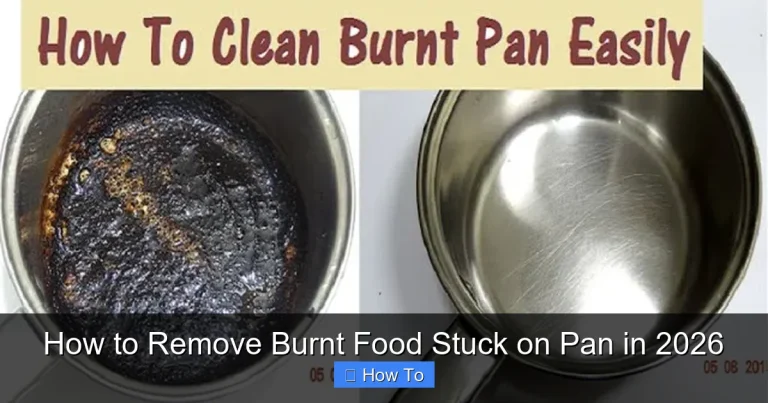
- Burnt Food: This is probably the most common reason. If food gets stuck and burns onto the surface, it carbonizes and leaves a tough black mark.
- Overheated Oils or Fats: Cooking oils, especially when heated beyond their smoke point, can polymerize and leave a sticky, dark film that’s hard to scrub off. This often happens on the exterior bottom of pans too.
- Mineral Deposits: Sometimes, hard water can leave behind dark, almost iridescent stains, especially if water is left to boil away completely or dry on the surface. While often more iridescent than truly black, it can contribute to a dull, stained appearance.
- Cleaning Product Residue: Believe it or not, improper rinsing of certain cleaning agents can sometimes leave a dark, hazy film, especially if the product wasn’t meant for stainless steel.
No matter the cause, the goal is the same: to effectively remove black residue from stainless steel without damaging the surface.
Before You Begin: Safety First and Gathering Supplies
Before you start any cleaning project, a little preparation goes a long way.
1. Ensure Safety
Always make sure your stainless steel item is completely cool before attempting to clean it. Hot surfaces can cause burns and make cleaning solutions evaporate too quickly. If you’re dealing with fumes from burnt food, ensure good ventilation in your kitchen.

Visual guide about Easy Ways How to Remove Black Residue from Stainless Steel 2026
Image source: img.ltwebstatic.com
2. Gather Your Tools
You probably have most of these items already! Here’s a checklist:
- Dish soap (mild liquid detergent)
- Baking soda
- White vinegar
- Lemon juice
- Cream of Tartar
- Bar Keeper’s Friend (powder or liquid, highly recommended for tough jobs)
- Soft sponges, non-scratch scouring pads (e.g., Scotch-Brite Delicate Duty), or microfiber cloths
- Plastic or silicone scraper (for very stubborn burnt bits)
- Clean towels for drying
- Rubber gloves (optional, but good for sensitive skin or extended cleaning)
- Water
Method 1: The Gentle Approach – Dish Soap and Boiling Water Soak
This is always the best starting point, especially for lighter black residue or fresh burns. It’s gentle, safe, and often surprisingly effective.
Step 1: Fill with Water and Dish Soap
For pots and pans, fill the item with enough water to cover the black residue. Add a generous squirt of dish soap (about 1-2 tablespoons). If the residue is on the outside, you can soak the entire item in a larger basin of soapy water.
Step 2: Heat and Soak
Place the pot or pan on the stove and bring the soapy water to a boil. Let it boil gently for 5-10 minutes. The hot water and soap will start to loosen the burnt-on grime. For external residue, let it soak in hot soapy water for at least 30 minutes, or even a few hours.
Step 3: Cool and Scrub
Carefully remove the item from the heat and let it cool down completely. Once cool, drain the water. Use a soft sponge or a non-scratch scouring pad to gently scrub away the loosened black residue. For really tough spots, a plastic or silicone scraper can help lift off larger pieces without scratching the stainless steel.
Method 2: The Baking Soda and Vinegar Power Duo
This dynamic duo is a cleaning legend for a reason! The gentle abrasive power of baking soda combined with the acidic action of vinegar works wonders to remove black residue from stainless steel, especially burnt-on food.
Step 1: Sprinkle Baking Soda
Drain any water from your stainless steel item. Sprinkle a generous layer of baking soda directly onto the black residue. Make sure the residue is slightly damp, or dampen it with a little water before sprinkling, to help the baking soda stick.
Step 2: Add White Vinegar
Carefully pour white vinegar over the baking soda. You’ll see a satisfying fizzing reaction! This chemical reaction helps break down stubborn grime. For pan bottoms, a popular method is to simply cover the burnt area with vinegar and let it sit. You can read more about how to clean burnt pan bottoms with vinegar for detailed steps.
If you’re dealing with very stubborn black residue on the bottom of a pan, you might also find success with a dedicated guide on how to remove black residue on the bottom of a pan.
Step 3: Let it Sit
Allow the baking soda and vinegar mixture to sit for at least 15-30 minutes, or even longer for heavily burnt-on residue (up to a few hours or overnight). The longer it sits, the more time it has to work its magic.
Step 4: Scrub and Rinse
After soaking, use a non-scratch sponge or brush to scrub the residue away. The baking soda provides a gentle abrasive that, combined with the softened grime, should lift off easily. Rinse thoroughly with warm water and dry with a clean towel.
Tip: For incredibly stubborn burnt food that’s stuck on, you might want to try other methods described in our guide on how to remove burnt food stuck on a pan.
Method 3: The Lemon Juice and Salt Scrub
Lemon juice, being acidic, is excellent for cutting through grease and some types of residue. When combined with salt, it creates a natural, mild abrasive scrub.
Step 1: Apply Lemon Juice
Squeeze fresh lemon juice directly onto the black residue. Ensure the entire stained area is covered. You can also use bottled lemon juice if fresh isn’t available.
Step 2: Sprinkle Salt
Sprinkle a generous amount of coarse salt (like kosher salt or sea salt) over the lemon juice. The salt will act as a gentle abrasive.
Step 3: Scrub Gently
Using a soft cloth or a cut lemon half (flesh-side down), gently scrub the mixture onto the residue. The acid in the lemon juice will help break down the grime, while the salt helps to lift it away. Work in the direction of the stainless steel grain if visible.
Step 4: Rinse and Dry
Once the residue is gone, rinse the item thoroughly with warm water to remove all salt and lemon juice. Dry immediately to prevent water spots.
Method 4: Cream of Tartar for Discoloration and Residue
Cream of Tartar is another acidic pantry staple that works well for various stainless steel discolorations and even some black residue, particularly those caused by mineral deposits or general dulling.
Step 1: Create a Paste
Mix 1 tablespoon of cream of tartar with a few drops of water to form a thick paste. You can also mix it with an equal amount of white vinegar for an extra powerful punch.
Step 2: Apply and Let Sit
Apply the paste directly to the black residue or discolored areas. Let it sit for 10-15 minutes, allowing the acid to work on the stains.
Step 3: Scrub and Rinse
Using a soft sponge or cloth, gently scrub the paste into the stain. You should see the residue lifting. Rinse the stainless steel item completely with warm water and dry it immediately with a clean cloth.
Method 5: Bar Keeper’s Friend – The Heavy Hitter
For tough black residue that laughs in the face of baking soda and vinegar, Bar Keeper’s Friend (BKF) is your secret weapon. This oxalic acid-based cleaner is specifically formulated for stainless steel and incredibly effective. It comes in both powder and liquid forms.
Step 1: Dampen the Surface
Wet the stainless steel surface with a little water. This helps the BKF adhere and activates its cleaning power.
Step 2: Apply Bar Keeper’s Friend
If using the powder, sprinkle a small amount directly onto the residue. If using the liquid, apply a small amount to a damp, non-scratch sponge. A little goes a long way!
Step 3: Scrub Gently
Using your non-scratch sponge or cloth, gently scrub the residue in small, circular motions or following the grain of the stainless steel. Do NOT use steel wool or harsh abrasive pads, as these will scratch the surface. You’ll notice the black residue start to lift quickly.
Step 4: Rinse Thoroughly and Dry
This step is crucial. Rinse the item *extremely* well with warm water to remove all traces of BKF. Any residue left behind can cause discoloration or pitting over time. Dry the stainless steel immediately with a clean towel to prevent water spots and streaking. Bar Keeper’s Friend is highly effective when you need to remove black residue from stainless steel, especially for more ingrained stains.
Safety Note: Always wear gloves when using Bar Keeper’s Friend, especially if you have sensitive skin. Ensure good ventilation in your kitchen. Read and follow the manufacturer’s instructions on the product label.
Method 6: Hydrogen Peroxide and Baking Soda Paste (For Very Stubborn Spots)
This combination provides a powerful oxidizing and abrasive action for those really stubborn, burnt-on black marks.
Step 1: Create a Thick Paste
Mix baking soda with just enough hydrogen peroxide (3% solution, commonly found in pharmacies) to create a thick, spreadable paste. Aim for a consistency similar to toothpaste.
Step 2: Apply and Let Sit
Apply a generous layer of this paste directly onto the stubborn black residue. Make sure the stain is completely covered. Let the paste sit for at least 30 minutes, or even a few hours for really tough spots.
Step 3: Scrub and Rinse
Once the paste has had time to work, use a non-scratch sponge or brush to scrub the residue. The baking soda’s abrasive quality combined with the peroxide’s lifting power should help release the grime. Rinse the stainless steel thoroughly with warm water and dry immediately.
Caution: While generally safe, hydrogen peroxide can be a mild irritant. Wear gloves if you have sensitive skin.
Prevention is Key: Keeping Your Stainless Steel Sparkling in 2026
Once you’ve put in the hard work to remove black residue from stainless steel, you’ll want to keep it that way! Here are some excellent preventative measures:
- Control Heat: Don’t overheat your stainless steel pans. Medium heat is usually sufficient for most cooking. Excessive heat can cause oils to burn and food to stick, leading to black residue. If you’ve ever wondered why your stainless steel pan smokes so much, overheating is often the culprit, and it directly leads to burnt-on residue.
- Use Enough Oil: A thin layer of cooking oil can create a barrier between food and the pan, reducing sticking and burning.
- Deglaze After Cooking: While the pan is still warm (but not scorching hot), add a small amount of water, broth, or wine to help loosen any bits of food that might be sticking.
- Clean Promptly: Don’t let burnt food or oil residue sit on your stainless steel for too long. The sooner you clean it, the easier it will be to remove.
- Dry Thoroughly: Always dry your stainless steel immediately after washing to prevent water spots and mineral buildup, which can sometimes appear as a dark film.
- Seasoning (for some stainless steel): While not truly seasoning like cast iron, some chefs advocate for properly “preheating” and oiling stainless steel to create a semi-non-stick surface, reducing food sticking.
- Regular Maintenance: A quick wipe-down after each use with a damp cloth and then drying can prevent accumulation of grime.
Troubleshooting Stubborn Residue
What if the black residue simply won’t budge?
- Repeat the Process: For extremely tough stains, sometimes a single application isn’t enough. Repeat your chosen method, especially the longer soaking times.
- Combine Methods: You can try a multi-pronged approach. For instance, start with a boiling water soak, then move to baking soda and vinegar, and finish with Bar Keeper’s Friend if necessary.
- Consider Commercial Cleaners: Beyond Bar Keeper’s Friend, there are other specialized stainless steel cleaners on the market. Always ensure they are safe for food-contact surfaces if cleaning cookware.
- The “Old Penny” Trick: For very specific burnt circles at the bottom of a pot, some people carefully scrape with the edge of an old copper penny (pre-1982 for higher copper content). Copper is softer than stainless steel and *can* help lift burnt spots without scratching if done gently. Use extreme caution and only as a last resort.
When to Call It Quits (Or When to Replace)
Sometimes, despite your best efforts, the black residue might be permanently etched or the stainless steel itself might be compromised.
If the surface is deeply pitted, discolored beyond repair, or the residue simply won’t come off after multiple attempts with stronger cleaners, it might be time to consider replacing the item. Heavily compromised cookware can affect cooking performance and potentially harbor bacteria. While stainless steel is generally safe, persistent issues might signal it’s time for an upgrade. Thinking about the safety of your cookware in general? You might find our article is stainless steel toxic to humans to be an interesting read.
Conclusion: Sparkling Stainless Steel, Effortlessly Achieved!
Congratulations! You’re now equipped with a powerful arsenal of methods to tackle and remove black residue from stainless steel in your kitchen. From gentle dish soap soaks to the mighty Bar Keeper’s Friend, you have the knowledge to restore that gleaming shine. Remember to start gentle, be patient, and always prioritize safety. With a little effort and consistent preventative care, your stainless steel cookware and appliances will remain beautiful and functional for years to come. Here’s to a cleaner, brighter kitchen in 2026 and beyond!